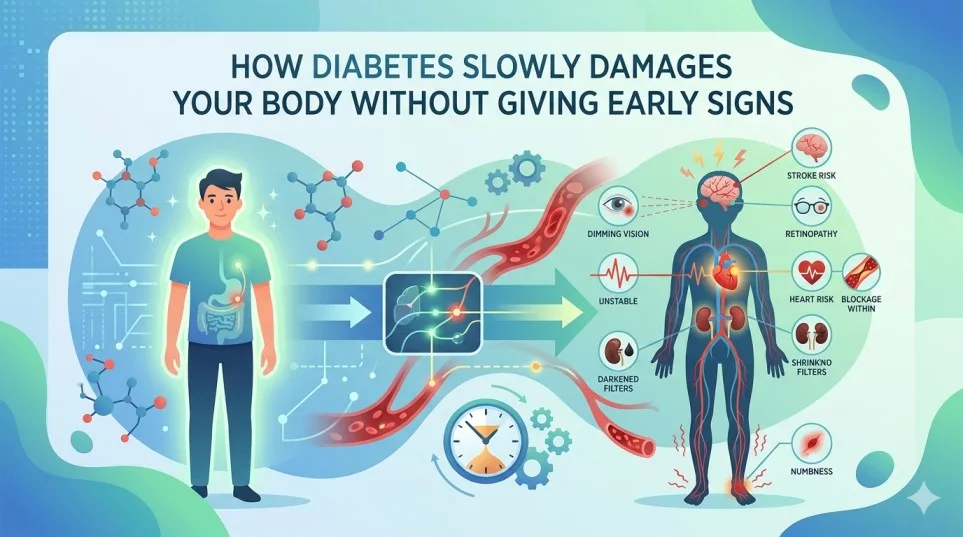
Diabetes is often called a "silent disease" because many people can live with it for years without noticing any obvious symptoms. While some individuals experience increased thirst, frequent urination, or unexplained weight loss, many remain unaware that their blood sugar levels are higher than normal. During this time, diabetes may quietly damage vital organs and blood vessels throughout the body.
According to global health experts, millions of people are living with undiagnosed diabetes. The absence of noticeable symptoms in the early stages can delay diagnosis and treatment, allowing complications to develop gradually. Understanding how diabetes affects the body can help people recognize the importance of regular health checkups and early intervention.
What Happens When Blood Sugar Remains High?
Glucose is the body's primary source of energy. Insulin, a hormone produced by the pancreas, helps glucose move from the bloodstream into the cells. In diabetes, the body either does not produce enough insulin or cannot use it effectively.
When glucose remains in the bloodstream for prolonged periods, it begins to damage blood vessels, nerves, and organs. The process is usually slow and often goes unnoticed until complications become more serious.
Damage to Blood Vessels Begins Early
One of the earliest effects of uncontrolled diabetes is damage to the blood vessels. High blood sugar can weaken the lining of both large and small blood vessels, making them less efficient at delivering oxygen and nutrients throughout the body.
Over time, this damage can increase the risk of:
- Heart disease
- Stroke
- High blood pressure
- Poor circulation
Since blood vessels are present in every organ, their gradual deterioration can affect multiple body systems simultaneously.
The Silent Impact on the Heart
Many people associate diabetes with blood sugar problems, but cardiovascular disease is one of its most serious complications.
Persistently high glucose levels can contribute to the buildup of fatty deposits in the arteries. This narrowing of the arteries reduces blood flow and forces the heart to work harder. As a result, individuals with diabetes have a significantly higher risk of heart attacks and other cardiovascular conditions.
The concerning part is that these changes can occur long before any chest pain or other warning signs appear.
Kidney Damage May Develop Without Symptoms
The kidneys filter waste products from the blood. Tiny blood vessels inside the kidneys are particularly sensitive to high blood sugar levels.
As diabetes progresses, these filtering units may become damaged, reducing the kidneys' ability to function properly. In the early stages, most people do not experience symptoms. By the time swelling, fatigue, or changes in urination become noticeable, kidney damage may already be significant.
Diabetes is one of the leading causes of chronic kidney disease worldwide.
Nerve Damage Often Starts Gradually
Diabetic neuropathy, or nerve damage caused by diabetes, can develop slowly over several years.
High blood sugar damages the small blood vessels that supply nerves with oxygen and nutrients. Initially, symptoms may be mild or absent. As the condition worsens, people may experience:
- Tingling sensations
- Numbness in the feet or hands
- Burning pain
- Increased sensitivity to touch
- Muscle weakness
Because nerve damage often develops gradually, many individuals do not realize it is occurring until it begins to interfere with daily activities.
Vision Problems Can Occur Before You Notice Them
The eyes contain delicate blood vessels that can be affected by elevated blood sugar levels. Diabetes can lead to a condition known as diabetic retinopathy, which damages the retina.
In the beginning, vision may seem completely normal. However, microscopic changes may already be occurring inside the eye. Without proper management, these changes can progress and eventually lead to blurred vision or even vision loss.
Regular eye examinations are important because they can detect problems before symptoms appear.
The Effect on the Immune System
High blood sugar can weaken the body's natural defense mechanisms. People with uncontrolled diabetes may become more vulnerable to infections and may take longer to recover from illnesses.
Common issues include:
- Frequent skin infections
- Gum disease
- Urinary tract infections
- Slow wound healing
Because these problems can seem unrelated, many individuals fail to connect them to underlying blood sugar abnormalities.
Foot Problems Can Develop Quietly
Reduced circulation and nerve damage create a dangerous combination for foot health.
A person may develop a small cut, blister, or injury without feeling pain due to nerve damage. At the same time, poor blood flow can slow healing. What starts as a minor wound can eventually become a serious infection if left untreated.
This is why foot care is considered an essential part of diabetes management.
Why Early Symptoms Are Often Missed
The human body is remarkably adaptable. In the early stages of diabetes, the body may compensate for rising blood sugar levels, making symptoms less noticeable.
Some warning signs are subtle and easy to dismiss, such as:
- Mild fatigue
- Increased hunger
- Occasional blurred vision
- Frequent thirst
- Slight changes in urination
Because these symptoms can be attributed to stress, aging, or lifestyle factors, many people do not seek medical attention until complications begin to develop.
The Importance of Early Detection
The good news is that diabetes-related complications are often preventable or manageable when the condition is identified early.
Routine health screenings can help detect elevated blood sugar before significant damage occurs. Individuals with risk factors such as obesity, family history of diabetes, physical inactivity, or high blood pressure should pay particular attention to regular monitoring.
Lifestyle measures such as balanced nutrition, regular physical activity, maintaining a healthy weight, and following medical advice can significantly reduce the risk of long-term complications.
Final Thoughts
Diabetes rarely causes severe damage overnight. Instead, it often works quietly in the background, gradually affecting blood vessels, nerves, kidneys, eyes, and the heart long before obvious symptoms appear. This silent progression is what makes the condition particularly dangerous.
Understanding the hidden effects of diabetes highlights the importance of awareness, routine screening, and early intervention. Taking action before symptoms become serious can help protect overall health and reduce the risk of life-changing complications in the future.