
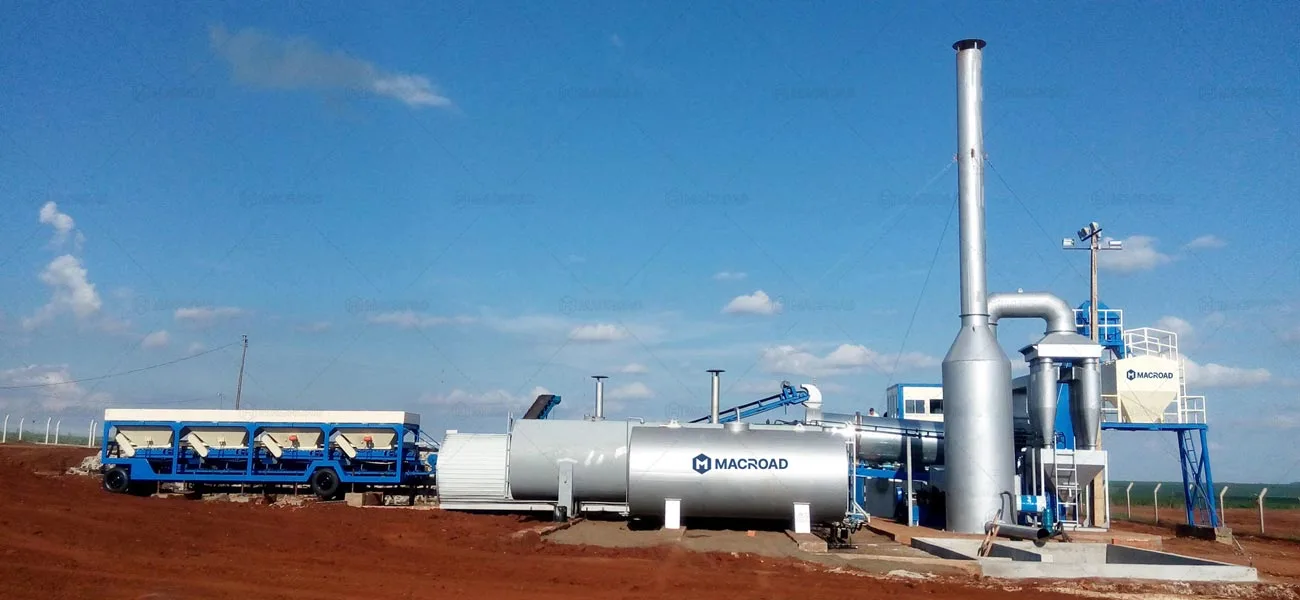
In the fast-paced world of road and bridge construction, the timing of equipment upgrades can mean the difference between a profitable project and a financial drain. For engineering firms operating across Latin America, the decision to replace aging machinery is often a complex calculation. At the heart of this equation is the current market for an asphalt plant, where fluctuating costs and technological advancements dictate the pace of industrial evolution. Understanding how asphalt plant prices interact with operational efficiency is essential for maintaining a competitive edge in regional infrastructure development.
The Relationship Between Asphalt Plant Prices and Capital Planning
For many contractors in Mexico, Brazil, and Colombia, the initial asphalt plant price is the most significant hurdle in the procurement process. When prices for new machinery rise due to global supply chain shifts or local currency devaluation, many companies tend to extend the life of their current assets. However, this "wait-and-see" approach can be risky. While the cost of a new asphalt plant for sale(venta de planta de asfalto) might seem high, the hidden expenses of maintaining a twenty-year-old unit—such as frequent breakdowns and high fuel consumption—often exceed the monthly financing of a modern replacement.
Strategic planning involves monitoring the market to identify when an asphalt plant for sale offers the best value relative to its productivity. In Latin America, where interest rates can be volatile, engineering companies must balance the asphalt plant price against the projected revenue of upcoming highway contracts. A lower entry price on a less efficient model might save capital today, but it could lead to higher per-ton production costs over the next decade.
How Market Volatility Influences Replacement Timing
Economic cycles in the Latin American region significantly impact when a firm decides to invest in an asphalt plant. During periods of high inflation, the nominal asphalt plant price may surge, causing firms to postpone their replacement cycles. Conversely, during infrastructure booms, the demand for high-output machinery makes finding a reliable asphalt plant for sale a priority, regardless of short-term price hikes.
Evaluating the Cost of Maintenance vs. New Investment
As an asphalt plant ages, its maintenance curve rises exponentially. Engineers often use a "repair-to-replacement" ratio to decide when it is time to browse for an asphalt plant for sale. If the annual maintenance cost of an existing asphalt plant(planta asfaltos) exceeds 15% of the price of a new unit, the replacement cycle should be accelerated. In remote regions like the Andes or the Amazon basin, where spare parts are difficult to source, the asphalt plant price for a new, reliable unit is often justified by the elimination of project downtime.
Technological Advancements and ROI
Modern equipment offers fuel savings of up to 20% compared to older models. When analyzing a potential asphalt plant for sale, companies must look beyond the sticker price and calculate the Return on Investment (ROI) based on fuel efficiency and the ability to use Recycled Asphalt Pavement (RAP). A higher initial asphalt plant price for a unit with RAP capabilities can be recovered within a few years through material cost savings, effectively shortening the replacement cycle by making older, less versatile plants obsolete sooner.
Regional Environmental Regulations as a Catalyst for Change
Latin American governments are increasingly adopting stricter environmental standards. Cities like Santiago, Bogotá, and São Paulo now require lower emissions from industrial sites. This regulatory pressure often forces a replacement cycle regardless of the current asphalt plant price. When local laws mandate advanced dust collection and noise reduction, searching for a compliant asphalt plant for sale becomes a legal necessity rather than just a financial choice.
Engineering firms that proactively monitor the asphalt plant price for eco-friendly models can stay ahead of these regulations. Investing in a low-emission asphalt plant ensures that the company remains eligible for public-private partnership (PPP) tenders, which are becoming the primary vehicle for large-scale road projects in the region.
Strategic Procurement for Long-Term Growth
To optimize their fleets, Latin American engineering companies should adopt a data-driven approach to procurement. Rather than waiting for a total mechanical failure, firms should track the asphalt plant price over a 24-month period to identify seasonal dips or manufacturer discounts. Finding a high-quality asphalt plant for sale during an off-peak period can save a company hundreds of thousands of dollars, allowing for a more frequent and sustainable replacement cycle.
Ultimately, the goal is to ensure that the asphalt plant remains a profit center rather than a cost burden. By keeping a close eye on the asphalt plant price and the availability of a modern asphalt plant for sale, contractors can ensure their operations are efficient, compliant, and ready to tackle the next generation of Latin American infrastructure challenges.