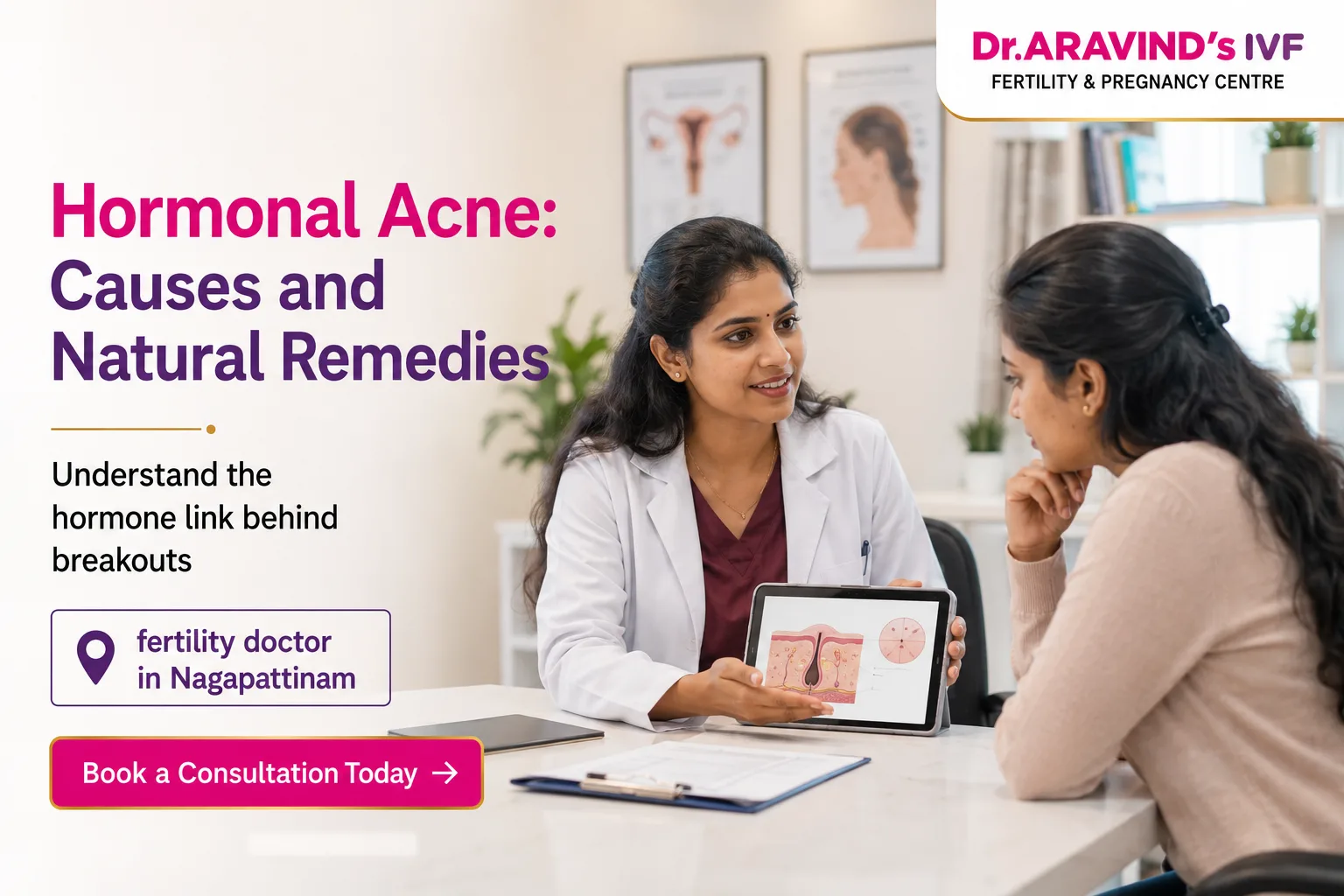
Hormonal acne can be frustrating because it often appears even when you take good care of your skin. Unlike ordinary acne, it is often connected to internal hormone changes, which means topical products alone may not fully solve the problem. At a trusted fertility doctor in Sivakasi, women are sometimes guided to look beyond the skin and understand whether acne may be linked to menstrual cycles, stress, or other hormone-related concerns.
What Hormonal Acne Means
Hormonal acne usually appears when androgen levels or other hormone shifts increase oil production in the skin. This extra oil can clog pores and lead to breakouts, especially around the chin, jawline, cheeks, neck, or lower face. It may worsen before periods or during times of stress.
This kind of acne is common in adults too, not just teenagers. If the breakouts keep coming back in the same pattern, it may be a sign that your hormones need attention.
Common Causes of Hormonal Acne
Several factors can contribute to hormonal acne:
- Monthly hormone fluctuations before periods.
- PCOS or ovulation-related hormone imbalance.
- Stress, which can raise cortisol and affect oil production.
- Poor sleep and irregular routines.
- Diets high in sugar or highly processed foods.
- Changes in contraceptives or other medications.
If acne appears alongside irregular periods, hair growth, weight changes, or cycle changes, it may be worth getting a medical opinion. In some women, skin symptoms can be one of the early clues that hormones are out of balance.
Natural Remedies That May Help
Natural care can support the skin, especially when acne is mild to moderate. Gentle face cleansing twice a day, non-comedogenic products, and avoiding harsh scrubs are good starting points. A simple skincare routine can reduce irritation and make breakouts less inflamed.
Diet can also matter. Some people notice improvement when they reduce highly processed food, excess sugar, and heavy dairy intake. Adding more water, vegetables, whole foods, and anti-inflammatory ingredients may help the body feel more balanced over time.
Sleep and stress management are equally important. Poor sleep can affect the body’s hormone rhythms, and stress can make acne worse. Small daily habits like walking, breathing exercises, and consistent sleep can support both skin health and overall wellness.
For some women, acne is not just a skin issue but part of a broader hormone picture. This is where the role of the fertility doctor in Sivakasi becomes important, especially if acne comes with cycle irregularity or possible fertility concerns.
When to Ask for Medical Help
If hormonal acne is severe, painful, cystic, or leaving marks, professional care is a good idea. You should also seek evaluation if acne appears with:
- Irregular periods.
- Excess facial or body hair.
- Sudden weight gain or weight loss.
- Difficulty conceiving.
- Known PCOS or thyroid concerns.
These signs may suggest a hormone imbalance that deserves a proper workup. A clinic known as the Best IVF Centre in India may also support women with broader reproductive health assessments when acne is only one part of the picture.
Some patients also search for a sivakasi fertility center when they want a more local option for fertility and hormone-related support. That can be helpful if you want a coordinated approach to cycle health, acne, and fertility planning.
How a Fertility Doctor Can Help
A fertility specialist does not only address pregnancy concerns. They can also help identify whether acne is linked to ovulation, PCOS, or other hormone-related conditions. Depending on your case, they may suggest hormone tests, cycle tracking, lifestyle changes, or coordination with a dermatologist.
This approach is useful because skin symptoms and reproductive symptoms sometimes overlap. Treating both together can give better long-term results than focusing on one issue alone.
Final Thoughts
If your acne keeps returning or seems tied to your cycle, meet a fertility doctor in Sivakasi for expert guidance and a personalised hormone-health evaluation.
Frequently Asked Questions
Q1. What causes hormonal acne in adults?
Hormonal acne in adults is usually caused by hormone fluctuations that increase oil production and clog pores. Stress, PCOS, and monthly cycle changes are common triggers.
Q2. Can natural remedies help hormonal acne?
Yes, gentle cleansing, better sleep, stress control, and dietary improvements may help reduce breakouts. Natural remedies work best for mild cases and should be part of a larger care plan.
Q3. Does hormonal acne mean I have a fertility problem?
Not always, but acne plus irregular periods or other hormone symptoms can sometimes suggest an underlying issue. A fertility doctor can help evaluate that possibility.
Q4. When should I see a doctor for acne?
You should see a doctor if acne is painful, persistent, scarring, or linked to cycle changes, hair growth, or difficulty conceiving.
Q5. Can a fertility doctor help with hormonal acne?
Yes, a fertility doctor can check for hormone imbalance, ovulation issues, or PCOS and guide you toward the right next steps.