
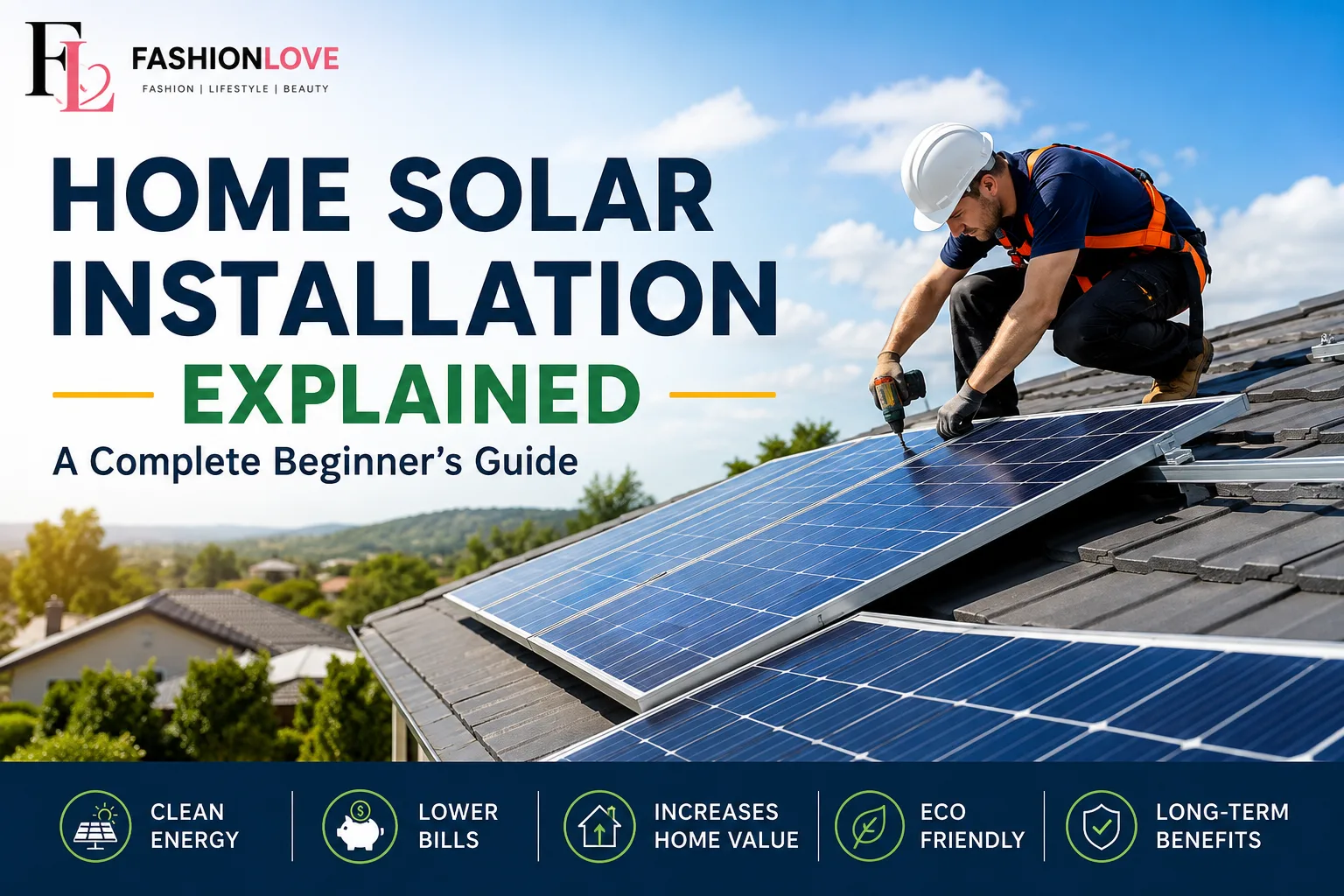
Switching to solar energy is one of the smartest investments homeowners can make today. As electricity prices continue to rise and environmental awareness grows, more families are choosing renewable energy to power their homes. A residential solar system can reduce monthly utility bills, increase property value, and provide a reliable source of clean electricity for decades.
If you're completely new to solar energy, the entire process may seem overwhelming at first. From selecting the right equipment to understanding permits and installation procedures, there are several important factors to consider. This guide explains every stage in simple language so you can confidently plan your home solar project.
Why Homeowners Are Choosing Solar Energy
Residential solar systems offer far more than lower electricity bills. They also help reduce dependence on traditional energy sources while supporting a cleaner environment.
Some major benefits include:
- Lower monthly electricity costs
- Clean and renewable energy
- Reduced carbon footprint
- Increased home resale value
- Low maintenance requirements
- Long equipment lifespan
- Better protection against future electricity price increases
With today's advanced technology, solar systems are more efficient and affordable than ever before.
Understanding the Basic Components
Before planning your project, it's helpful to understand the major parts of a home solar system.
Solar Panels
Solar panels collect sunlight and convert it into usable electricity through photovoltaic cells. The amount of electricity produced depends on sunlight exposure, panel quality, and installation angle.
Inverter
The inverter converts the electricity generated by the panels into the type of power used by household appliances.
Mounting System
A strong mounting structure secures the panels safely to the roof while maintaining the proper angle for maximum energy production.
Monitoring System
Modern systems include monitoring software that allows homeowners to check daily energy production through a mobile app or web dashboard.
Battery Storage
Although optional, batteries store extra electricity generated during the day for use at night or during power outages.
Is Your Home Suitable for Solar?
Not every property produces the same amount of solar energy. Before moving forward, several factors should be evaluated.
Consider:
- Roof age and structural condition
- Available roof space
- Daily sunlight exposure
- Nearby trees or buildings creating shade
- Local climate
- Household electricity consumption
A professional site assessment can determine whether your property is suitable for solar power.
Choosing the Right System Size
The ideal system size depends on your home's energy usage.
Review your previous electricity bills to estimate monthly consumption. A larger family typically requires a bigger solar system than a smaller household.
Selecting the correct system helps maximize savings without paying for unnecessary capacity.
Selecting High-Quality Equipment
Solar equipment is designed to last many years, making quality an important consideration.
When comparing products, pay attention to:
- Panel efficiency ratings
- Product warranties
- Manufacturer reputation
- Weather resistance
- Expected lifespan
- Customer reviews
Choosing reliable equipment often results in better long-term performance and fewer maintenance issues.
Preparing Before Installation
Preparation is an essential step that many homeowners overlook.
Before work begins:
- Inspect the roof for damage.
- Replace worn roofing materials if necessary.
- Confirm electrical panel compatibility.
- Obtain required permits.
- Review the installation schedule with your contractor.
Good preparation helps avoid delays and unexpected costs.
Installation Process Explained
Once planning is complete, the installation begins.
First, installers carefully mark the roof and secure the mounting system.
Next, the solar panels are attached to the mounting rails and aligned for maximum sunlight exposure.
Electrical wiring connects the panels to the inverter, which is then integrated with the home's electrical system.
During this stage, understanding Solar Panel Installation helps homeowners communicate effectively with professionals, follow the project's progress, and make informed decisions throughout the process.
After wiring is completed, technicians perform a series of safety inspections before activating the system.
Safety Measures
Professional installers follow strict safety procedures throughout the project.
These include:
- Using fall-protection equipment
- Following electrical safety standards
- Securing all roof attachments
- Weatherproofing cable entry points
- Testing electrical connections before activation
Safety should never be compromised during any stage of the project.
Common Mistakes to Avoid
Many first-time buyers make mistakes that reduce system performance or increase costs.
Avoid these common problems:
- Choosing installers based only on price
- Ignoring roof condition
- Buying an oversized or undersized system
- Forgetting to compare warranties
- Not reviewing maintenance requirements
- Failing to monitor system performance
Taking time to research before purchasing can prevent expensive issues later.
Maintaining Your Solar System
One of the biggest advantages of residential solar systems is their low maintenance.
To keep the system performing efficiently:
- Remove leaves and debris from the panels.
- Clean the surface when dirt accumulates.
- Inspect for visible damage after storms.
- Monitor energy production regularly.
- Schedule professional inspections every few years.
Proper maintenance helps maintain consistent energy production throughout the system's lifetime.
Expected Lifespan
Modern solar systems are built for long-term reliability.
Most quality solar panels last between 25 and 30 years, while inverters generally operate efficiently for around 10 to 15 years before replacement may be needed.
Routine inspections and proper maintenance can help maximize the lifespan of every component.
Financial Benefits
Although installing a solar system requires an initial investment, the long-term savings can be significant.
Many homeowners recover their investment through reduced electricity bills over time. In some regions, government incentives, rebates, or tax benefits can further reduce installation costs.
Additionally, homes equipped with solar energy systems often become more attractive to future buyers.
Environmental Impact
Solar energy is one of the cleanest power sources available.
Unlike fossil fuels, it generates electricity without producing harmful emissions. Every home that adopts solar energy contributes to reducing greenhouse gases and conserving natural resources for future generations.
Choosing renewable energy is both a financial and environmental decision.
Final Thoughts
Home solar systems have become more accessible, efficient, and affordable than ever before. Understanding how the process works—from planning and equipment selection to installation and maintenance—helps homeowners make confident decisions and avoid unnecessary challenges.
Whether your goal is to reduce electricity costs, increase energy independence, or support a cleaner environment, investing in solar power can provide long-lasting benefits. With careful planning, quality equipment, and experienced professionals, your home can enjoy reliable renewable energy for many years to come.