
Heart health deserves attention at every stage of life. Many people ignore occasional breathlessness, unusual tiredness, or mild chest discomfort because these symptoms may seem temporary. However, recurring symptoms can sometimes indicate an underlying cardiovascular concern. Heart blockage is one such condition that can develop gradually and may not always produce obvious warning signs in its early stages.
Understanding the possible causes, symptoms, risk factors, and available approaches to heart care can help people make more informed decisions about their health.
What Is Heart Blockage?
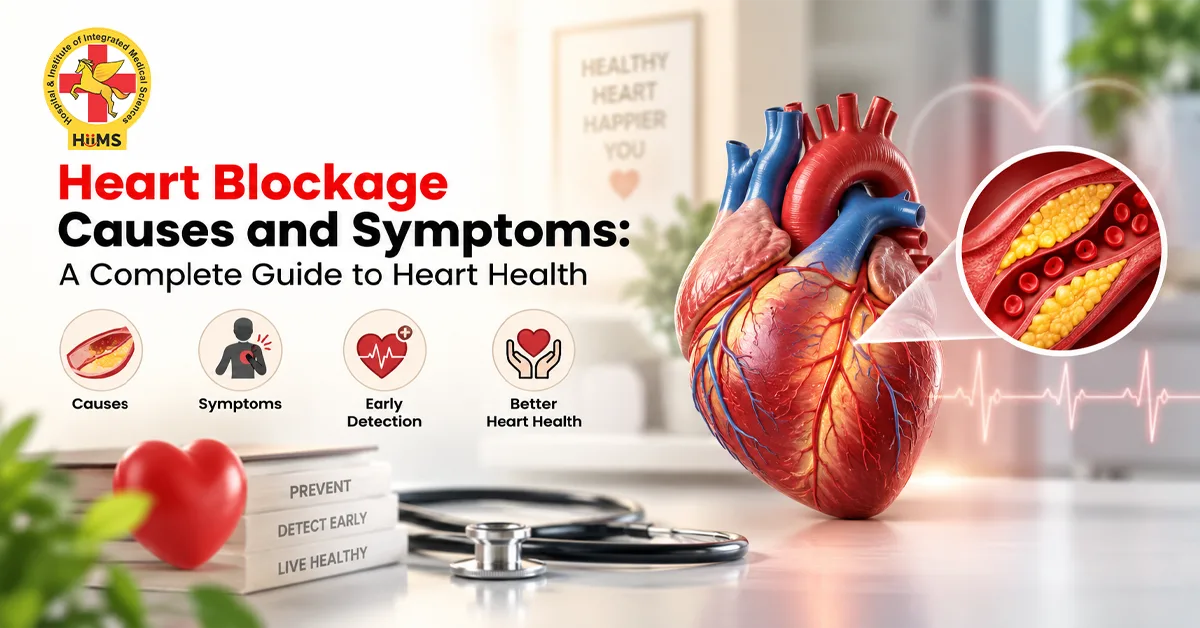
Heart blockage commonly refers to narrowing of the coronary arteries due to plaque buildup. This process, known as atherosclerosis, can reduce the flow of blood and oxygen to the heart muscle. Plaque may develop over many years due to a combination of lifestyle factors, metabolic conditions, age, genetics, and other risk factors.
Because the process can develop gradually, some people may not notice symptoms until they become physically active or experience increased strain on the heart.
Common Causes of Heart Blockage
There is usually no single reason behind coronary artery narrowing. Several factors can contribute to cardiovascular risk.
Some common factors include:
- High cholesterol
- High blood pressure
- Diabetes or insulin resistance
- Smoking or tobacco exposure
- Physical inactivity
- Being overweight or having obesity
- Family history of cardiovascular disease
- Long-term stress
- Unhealthy dietary patterns
- Increasing age
A diet high in highly processed and fried foods may contribute to unhealthy cholesterol levels, while smoking can damage blood vessels. Similarly, uncontrolled blood pressure and diabetes can affect cardiovascular health over time.
This is why heart health is not only about one food or one habit. It is influenced by a combination of daily choices and underlying health conditions.
Early Symptoms of Heart Blockage
Recognising potential warning signs is important because symptoms may initially be mild. Some people notice changes mainly during physical activity.
Possible symptoms include:
- Chest pressure or discomfort
- Breathlessness during exertion
- Unusual or persistent fatigue
- Discomfort spreading toward the arm, jaw, back, or shoulder
- Dizziness or lightheadedness
- Cold sweating
- Reduced ability to perform usual physical activities
Symptoms can vary significantly between individuals. Chest discomfort does not always mean heart blockage, and other conditions can produce similar symptoms. Proper medical evaluation is therefore important rather than relying on symptoms alone.
Why Early Evaluation Matters
Ignoring recurring symptoms can delay appropriate diagnosis and care. A healthcare professional may review medical history, symptoms, blood pressure, cholesterol, blood sugar, and other risk factors before deciding whether further testing is appropriate.
Depending on the individual situation, tests such as an ECG, echocardiogram, stress testing, or coronary imaging may be recommended. The exact tests depend on symptoms and clinical assessment.
Anyone experiencing sudden, severe, or persistent chest pain, significant breathing difficulty, fainting, or other symptoms suggestive of a heart attack should seek emergency medical attention immediately.
Lifestyle Habits for Better Heart Health
Healthy daily habits can play an important role in cardiovascular wellbeing. They are particularly valuable for people who have risk factors such as high blood pressure, diabetes, high cholesterol, or a family history of heart disease.
A heart-conscious lifestyle may include:
Eat a Balanced Diet
Focus on fresh vegetables, fruits, whole grains, legumes, and other nutritious foods. Limiting excessive salt, fried foods, highly processed foods, and added sugars can support healthier eating patterns.
Stay Physically Active
Regular physical activity can support cardiovascular fitness. However, people with known heart conditions should discuss appropriate exercise levels with their healthcare professional before starting a new routine.
Manage Stress
Long-term stress can affect overall health and may make it harder to maintain healthy habits. Meditation, relaxation, breathing exercises, adequate sleep, and enjoyable activities may support emotional wellbeing.
Avoid Tobacco
Smoking is an important cardiovascular risk factor. Avoiding tobacco can be one of the most meaningful steps toward protecting heart health.
Monitor Health Conditions
Keeping blood pressure, blood sugar, and cholesterol under appropriate control is an important part of reducing cardiovascular risk.
Can Ayurveda Support Heart Health?
Some people explore Ayurveda as part of a broader approach to cardiovascular wellness. Ayurvedic care may focus on personalised dietary guidance, daily routines, yoga, breathing practices, stress management, and selected traditional therapies.
At Jeena Sikho HiiMS, the published approach to heart-related care includes therapies such as Hridaya Basti, Panchakarma-based practices, personalised dietary guidance, and traditional herbal support under professional supervision.
However, Ayurvedic therapies should not be considered a replacement for urgent or essential cardiac treatment. Anyone with diagnosed heart disease or who is taking cardiovascular medicines should discuss complementary therapies and herbs with their healthcare professionals to avoid potential interactions or delays in necessary care.
Building a Long-Term Heart Health Routine
Heart health is a long-term process rather than a one-time activity. Understanding personal risk factors, attending appropriate check-ups, maintaining healthy eating habits, staying active according to medical advice, and managing stress can all contribute to better cardiovascular wellbeing.
If symptoms such as recurring chest discomfort, unusual fatigue, or breathlessness appear, it is better to get them evaluated rather than assuming they are caused by stress, acidity, or ageing.
Early attention can help people understand what is actually happening and determine the appropriate next steps.
Conclusion
Heart blockage can develop gradually, and its symptoms may sometimes be overlooked. Understanding risk factors and recognising potential warning signs can encourage timely evaluation and better health decisions.
A healthy lifestyle, regular monitoring, appropriate medical care, and professionally guided supportive approaches such as Ayurveda may all have a role in a person's overall heart-health journey. The most suitable approach depends on individual health needs, risk factors, and medical assessment.
Frequently Asked Questions
1. What are the common symptoms of heart blockage?
Common symptoms may include chest discomfort or pressure, breathlessness during activity, unusual fatigue, dizziness, sweating, and discomfort that may spread toward the arm, jaw, back, or shoulder. Symptoms can vary from person to person.
2. What causes heart blockage?
Heart blockage is commonly associated with plaque buildup in the coronary arteries. Risk factors include high cholesterol, high blood pressure, diabetes, smoking, physical inactivity, family history, age, and unhealthy lifestyle patterns.
3. How is heart blockage diagnosed?
Depending on symptoms and medical history, healthcare professionals may recommend tests such as an ECG, echocardiogram, stress testing, or coronary angiography/imaging to evaluate the heart and blood vessels.
4. Can lifestyle changes support heart health?
Yes. A balanced diet, appropriate physical activity, avoiding tobacco, maintaining healthy blood pressure and blood sugar levels, managing stress, and following professional medical advice can support cardiovascular health.
5. Can Ayurveda be used alongside conventional heart care?
Ayurvedic approaches may be considered as supportive care, but they should be discussed with qualified healthcare professionals, particularly when someone has diagnosed heart disease or takes prescription medicines.