Labels fail in quiet, undramatic ways. A corner lifts after a week in the fridge, ink fades where hands grip the bottle, or a sauce container starts looking tired long before the product inside is finished. These small failures cost brands far more than they appear to, eroding trust one peeling edge at a time. The reason in-mould labels sidestep so many of these problems comes down to how they are built and bonded, and HARDVOGUE's films take that inherent advantage further. This article unpacks the science and the practicalities behind that resistance.
Why In-Mold Labels Start With an Advantage
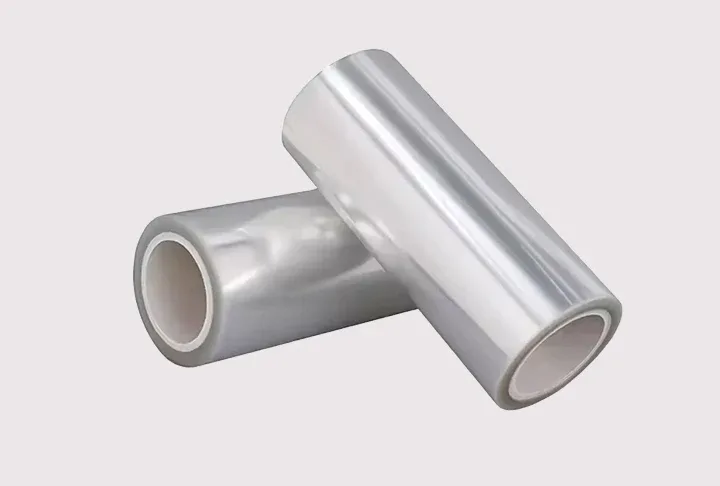
Traditional labels are applied after the container exists, which means they sit on top of the plastic as a separate layer held by adhesive. That adhesive interface is the weak point, and water, oil, and chemicals all find their way into it eventually. In-mould labels work differently: the film is placed in the mould and the molten plastic flows against it, fusing the label into the container wall itself. There is no adhesive layer to attack and no edge to lift, because the label and container become one continuous surface. This structural reality gives IML film a head start on durability that no pressure-sensitive label can match, regardless of how good its glue claims to be.
The Barrier Effect of Film Construction
Beyond the fusion bond, the film's own construction provides a protective shield for the graphics beneath. HARDVOGUE films are built with a layered structure in which the printed design is encapsulated within or beneath a protective surface, so ink never sits exposed to the environment. Water beads on the surface rather than soaking in, oils wipe away instead of staining, and mild chemicals encounter a polymer barrier rather than raw print. This encapsulation is why IML containers can be washed, chilled, and handled repeatedly without the branding deteriorating. The film effectively gives the artwork the same environmental protection as the container wall it has become part of.
How Water and Moisture Are Kept at Bay
Moisture is the most common enemy of packaging graphics, present in refrigeration, condensation, washing, and humid storage. With conventionally labelled containers, water creeps under edges and lifts the adhesive, or softens paper faces until they wrinkle. HARDVOGUE films are inherently hydrophobic in behaviour and dimensionally stable, so they do not swell, curl, or delaminate when wet. The absence of edges means there is no entry point for water to exploit, and the fused bond survives even prolonged exposure to condensation. For chilled foods, beverages, and products stored in damp conditions, this means the label looks as intended from filling line to final use.
Standing Up to Oils, Fats, and Greasy Products
Oil is a subtler adversary than water because it attacks gradually, softening adhesives and staining porous materials over weeks of contact. Cooking oils, dairy fats, cosmetic emollients, and meat juices all test a label's resilience. HARDVOGUE films resist oil absorption, keeping their colour and structure intact even when the container holds greasy or fatty contents. The fused bond prevents oil from migrating behind the label, which is where conventional adhesives typically fail first. This makes the films well suited to sauces, ready meals, pet food, and personal care products where oil contact is unavoidable, and where a stained or lifting label would immediately signal poor quality to the buyer.

Chemical Resistance for Demanding Contents
Some products are genuinely aggressive, from household cleaners and detergents to alcoholic formulations and acidic foods. These substances can attack weaker films through swelling, hazing, or ink bleeding, and the damage often appears only after weeks on the shelf. HARDVOGUE films are selected and engineered for chemical resistance across a broad spectrum, maintaining clarity, colour, and adhesion when exposed to acids, alcohols, surfactants, and mild solvents. This performance gives formulators freedom to develop effective products without worrying that the packaging will visibly degrade, and it protects brands from the reputational damage of a container that looks corroded before it is even opened.
What This Resistance Means for Brands and Consumers
The practical value of all this resistance shows up in ways both commercial and human. Brands benefit from fewer rejects, fewer complaints, and packaging that supports premium positioning throughout distribution. Retailers appreciate containers that stay presentable on shelf and survive handling without scuffing. Consumers, meanwhile, experience packaging that simply works, opening cleanly, looking trustworthy, and not shedding bits of label into their food or onto their hands. HARDVOGUE's resistance-focused engineering ultimately serves all three groups, turning a technical property into everyday reliability that nobody has to think about.
Choosing a Film That Earns Its Keep
Water, oil, and chemicals will find every weakness a label has, and the smart approach is to choose packaging that has fewer weaknesses to begin with. In-mould labelling removes the adhesive interface entirely, and HARDVOGUE's films add encapsulated graphics, dimensional stability, and broad chemical resistance on top of that structural advantage. For brands packaging chilled foods, oily products, or aggressive formulations, this combination delivers durability that conventional labels struggle to match. Specifying the right film from the outset is the simplest way to ensure the label on the outside is as dependable as the product on the inside.