
Turning the Tide: A New Dawn for Green Technology
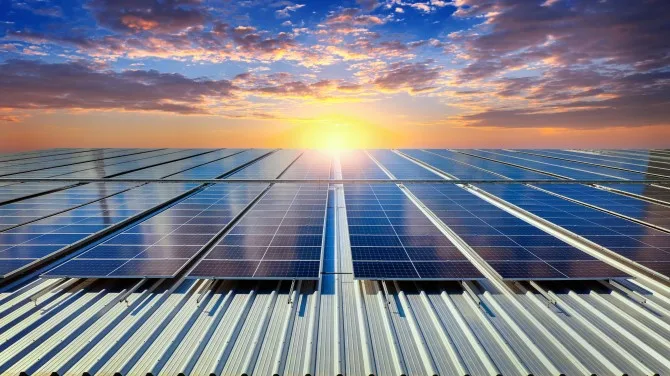
On a brisk spring morning in early 2026, a remote solar farm in Arizona flipped the switch on a new ultra-efficient photovoltaic array, instantly boosting its annual output by 30%. This installation, part of a broader push toward large-scale renewable energy adoption, exemplifies how green technology is quietly but decisively transforming global energy landscapes. Behind the scenes, innovations in materials science, digital integration, and sustainable design converge to challenge longstanding fossil-fuel reliance, offering hope amid climate urgency.
According to the International Energy Agency, green tech investments surpassed $1 trillion globally in 2025, a record high that signals the accelerating commitment from governments, corporations, and consumers alike. Yet, the full scope of green tech’s evolution goes beyond energy generation. It permeates sectors from agriculture to transportation, reshaping how societies produce, consume, and coexist with natural systems.
“Green technology today is not just a niche sector—it’s becoming the backbone of sustainable economies worldwide,” says Dr. Elena Morozova, a leading environmental engineer at the Global Climate Innovation Forum.
Tracing the Roots: How Green Tech Got Here
The trajectory of green technology, while gaining momentum in the 21st century, has deep roots reaching back to early environmental movements and energy crises of the 1970s. Initial efforts focused on solar panels and wind turbines were hampered by high costs and low efficiencies. Nonetheless, these early investments laid the groundwork for breakthroughs in materials, energy storage, and systems integration.
By the 2010s, the convergence of climate policy, rising energy demands, and technological advances sparked a green tech renaissance. Governments implemented ambitious emissions targets, including the Paris Agreement of 2015, which galvanized worldwide commitments to decarbonization. Private sector involvement surged, with companies like Tesla, Vestas, and BYD expanding renewable portfolios and driving innovation.
Over the past decade, the integration of AI and IoT has revolutionized green tech capabilities. Smart grids optimize energy distribution in real-time, while predictive analytics enhance resource efficiency in agriculture and manufacturing. This digital layer has enabled green technologies to transition from isolated projects to interconnected ecosystems.
“The path from early experimental solar modules to today’s dynamic, AI-driven energy networks is a testament to persistent innovation and policy alignment,” notes Dr. Morozova.
Data-Driven Insights: The Pulse of Green Technology in 2026
Green technology today is characterized by quantitative leaps in efficiency, scalability, and affordability. Recent data reveals:
- Renewable Energy Capacity: Wind and solar now account for nearly 45% of global electricity generation, a jump from 27% in 2020 (International Renewable Energy Agency).
- Energy Storage Advances: Lithium-ion battery costs have fallen by 60% since 2020, enabling widespread adoption of grid-scale storage and electric vehicles, according to BloombergNEF.
- Carbon Capture Utilization: More than 120 operational carbon capture plants worldwide now sequester over 50 million tons of CO2 annually, a significant rise from fewer than 30 plants in 2022.
- Green Hydrogen Production: The green hydrogen market expanded by 250% in the past three years, driven by electrolyzer cost reductions and increased renewable power availability.
Comparatively, the fossil fuel sector is contracting, with global coal consumption declining by 15% since 2023. However, challenges remain—particularly in integrating intermittent renewables into existing grids and ensuring equitable access to green technologies across developing regions.
Innovations in circular economy models complement these energy shifts. Companies increasingly adopt closed-loop manufacturing processes, reducing waste and resource extraction. For instance, bio-based plastics and recycled materials are gaining traction in packaging and construction.
2026 Developments: Breakthroughs and Scaling Green Tech
This year marks several pivotal milestones. First, the launch of the world's largest floating solar farm off the coast of South Korea has set new standards for renewable energy deployment in marine environments. This project synergizes solar power generation with aquaculture, promoting sustainable livelihoods.
Moreover, advances in perovskite solar cells have transitioned from laboratory scale to commercial viability. These cells boast efficiencies exceeding 30% with significantly lower production costs than traditional silicon panels, promising to reshape solar energy economics.
Smart urban infrastructure has also surged ahead. Cities like Copenhagen and Singapore have integrated green tech into urban planning, implementing smart shading systems, energy-harvesting pavements, and AI-driven waste management. These initiatives reduce urban carbon footprints and enhance liveability.
The transportation sector is undergoing a green transformation as well. By mid-2026, electric vehicle sales surpassed 60% of new car sales globally. Hydrogen fuel cell vehicles are gaining momentum in heavy-duty transport and logistics, supported by expanding refueling networks.
Policy frameworks are evolving in tandem. The European Union’s Green Deal 2.0 introduced stricter sustainability reporting requirements and incentivized green tech R&D through multi-billion euro funds. In the United States, the Green Energy Act of 2025 has accelerated clean energy tax credits and infrastructure investments.
Industry Voices: Perspectives from Green Tech Leaders
Industry experts emphasize that collaboration across sectors is essential. Maya Chen, CEO of EcoTech Innovations, highlights the importance of cross-disciplinary partnerships. “No single technology can solve climate challenges alone. Integration of energy, materials, and digital solutions is key to scalable impact.”
Financial sector engagement is also critical. Banks and investment firms increasingly prioritize Environmental, Social, and Governance (ESG) criteria, directing capital toward green startups and infrastructure. According to a 2026 report by Global Sustainable Finance, green bonds reached a cumulative issuance of $3.5 trillion, reflecting investor appetite.
However, concerns about supply chain sustainability and rare earth material sourcing persist. Industry leaders advocate for responsible mining practices and recycling innovations to mitigate environmental and geopolitical risks.
“The green tech revolution depends as much on ethical stewardship as it does on innovation,” says Maya Chen.
Looking Ahead: What to Watch in Green Technology
As green technology matures, several trends demand attention. First, the convergence of AI and renewable energy is expected to deepen, enabling predictive maintenance, demand-response optimization, and decentralized energy trading platforms.
Second, the role of green tech in climate adaptation will expand. Technologies that enhance resilience—such as drought-tolerant crops, flood management systems, and climate-smart infrastructure—are gaining investment alongside mitigation efforts.
Third, social equity considerations will shape deployment strategies. Ensuring access to clean energy and sustainable technologies in underserved communities is vital to achieving global climate and development goals.
Finally, regulatory landscapes will continue evolving, with anticipated global carbon pricing mechanisms and stricter environmental standards. These policies will influence technology adoption rates and innovation pipelines.
For those interested in entering or advancing in this sector, resources like Starting Your Journey in Green Tech: Essential Steps for Meaningful Impact provide valuable guidance. Expanding knowledge on green technology’s transformative potential is equally supported by insightful articles such as Green Tech’s Quiet Revolution: How Innovation Is Reshaping Our Planet’s Future.
- Monitor breakthroughs in energy storage and grid integration technologies.
- Follow policy shifts that affect green technology financing and deployment.
- Engage with cross-sector partnerships to leverage diverse expertise.
- Prioritize ethical sourcing and circular economy approaches.
- Invest in education and workforce development focused on sustainability skills.
Green technology is not a static endpoint but an ongoing journey toward harmonizing human progress with planetary health. The coming decade promises profound transformations driven by ingenuity, commitment, and global cooperation.