Indian food is known for its rich aromas, colourful masalas and comforting textures. Fortunately, following a keto or low-carb lifestyle does not mean giving up the flavours of dal tadka, paneer tikka, chicken curry or vegetable stir-fries. With a few thoughtful ingredient swaps, traditional Indian cooking can become suitable for a low-carbohydrate meal plan.
A ketogenic diet generally restricts carbohydrates to approximately 20–50 grams per day, although individual requirements vary. This level may help the body enter nutritional ketosis, a metabolic state in which it uses more fat and ketones for energy. Because keto is a restrictive eating pattern, it is best followed with professional guidance, particularly if you have diabetes or take blood-glucose-lowering medicines.pmc.ncbi.nlm.nih+1
The Role of Ghee in Indian Keto Cooking
Ghee is a familiar ingredient in Indian kitchens and can add richness to keto meals. It contains almost no carbohydrate, making it a convenient cooking fat for sautéing spices, roasting vegetables or finishing a curry.
However, ghee is still calorie-dense and should not be treated as a food that automatically causes weight loss. A small amount can provide flavour, but adding large quantities to every meal may make it difficult to maintain a calorie deficit. ICMR-NIN dietary guidance recommends using fats and oils in moderation, and health guidance also highlights the importance of limiting excessive saturated-fat intake.
Use ghee thoughtfully:
- Add a small spoonful to a vegetable stir-fry.
- Use it for tempering cumin, mustard seeds or curry leaves.
- Combine it with other suitable fats rather than relying on only one source.
- Measure it instead of pouring freely from the jar.
Masalas Add Flavour Without Carbs
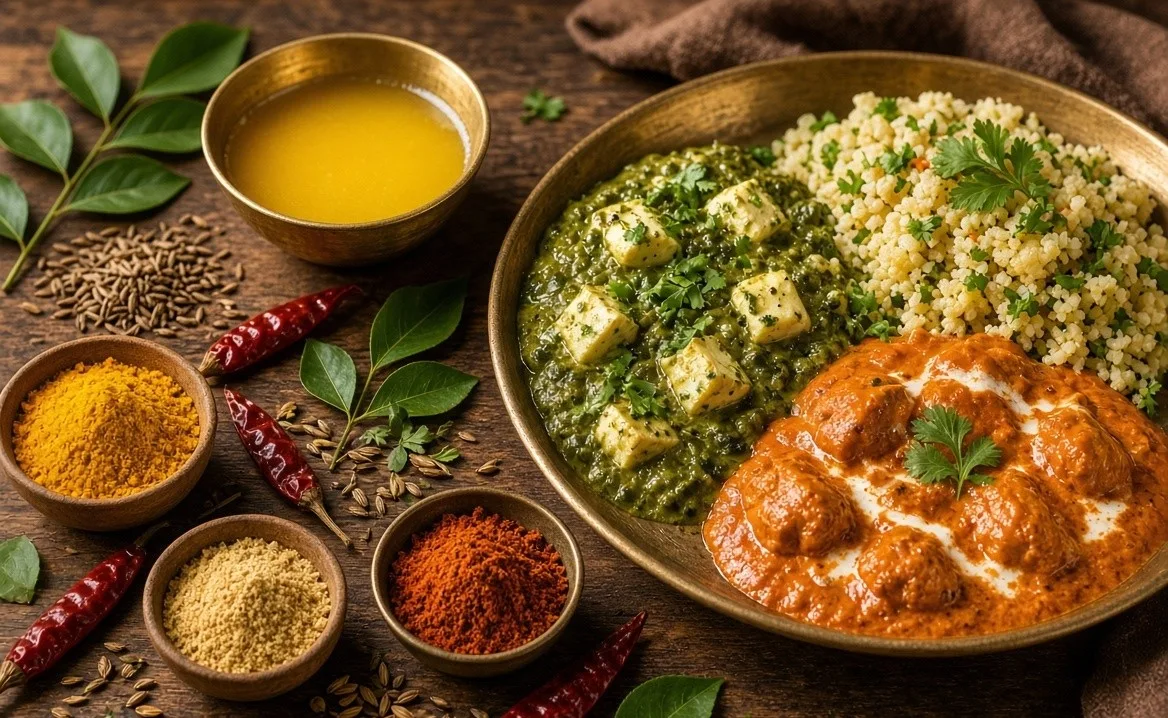
Indian spices are one of the biggest advantages of desi keto cooking. Cumin, coriander, turmeric, chilli, black pepper, cardamom, cinnamon, cloves and garam masala can make simple low-carb ingredients exciting.
Most spices are used in small quantities, so they add flavour without contributing a large amount of carbohydrate. The key is to check packaged spice blends, curry powders and ready-made sauces because some may contain flour, sugar, starch or other fillers.
A simple keto tadka can include ghee or oil, cumin seeds, mustard seeds, curry leaves, ginger, garlic and green chilli. This mixture can be used to flavour cauliflower, cabbage, spinach, mushrooms, paneer or eggs.
Choose Low-Carb Indian Ingredients
Keto cooking becomes easier when meals are built around protein, non-starchy vegetables and a sensible amount of fat. Suitable options may include paneer, eggs, chicken, fish, tofu, mushrooms, spinach, cauliflower, cabbage, bottle gourd and okra.
Common high-carbohydrate foods such as rice, wheat roti, naan, poha, potatoes, corn and large portions of traditional sweets may need to be limited or replaced. Cauliflower rice, almond-flour rotis and cabbage wraps are possible alternatives, but portion sizes and total daily carbohydrates still matter.
Easy Keto Indian Meal Ideas
If you miss rich, flavorful Indian food while keeping things low-carb, you definitely don't have to give it up. You can easily kick things off with a simple Keto Butter Chicken—just cook the chicken in a tomato-onion gravy tempered with ghee, garam masala, and kasuri methi, then finish it off with a splash of cream and a touch of almond flour to thicken it up. Serve it over a bed of warm cauliflower rice.
You've also got plenty of other comforting options. Try Palak Paneer the traditional way with extra ghee and zero flour, or whip up an Egg Curry using a creamy coconut-milk base and whole spices. Mornings are easy too: scramble your eggs with onions, green chillies, and turmeric in ghee, or toss together a quick methi omelette.
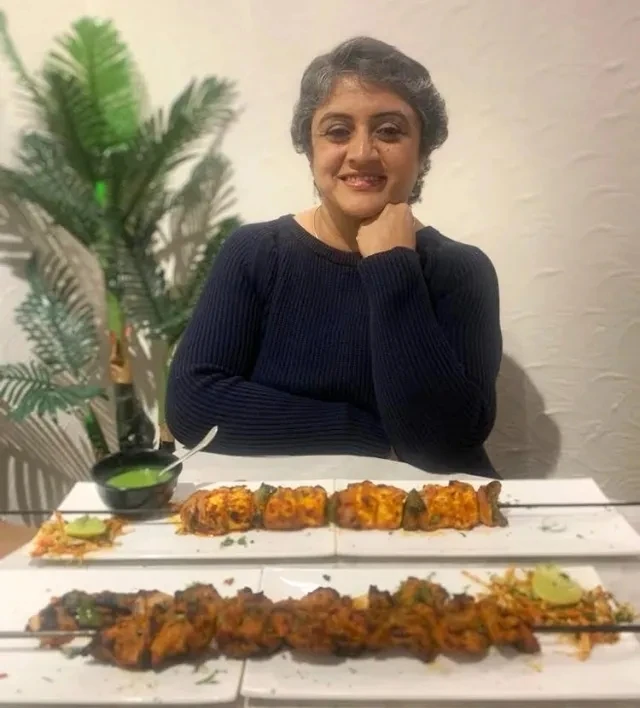
For lunch or dinner, mix it up with paneer bhurji with spinach, egg bhurji with mushrooms, chicken tikka with a refreshing cucumber salad, fish curry with sautéed cabbage, or a low-carb cauliflower paratha. A spoonful of unsweetened curd makes a great side, as long as it fits into your daily carb count.
Keep These Quick Tips in Mind
- Watch the hidden carbs: Not every Indian curry is automatically keto-friendly. Ingredients like onions, tomatoes, cashew paste, and cream can sneak up on your carb or calorie count depending on how much you use. Restaurant dishes and store-bought sauces can also hide sugar or flour.
- Check your spices: Commercial spice mixes and pre-made pastes often contain hidden starches or sugar, so try blending your own masalas when you can. If you're keeping things strict, just keep an eye on your onion and tomato portions.
- Don't forget snacks: If you get hungry between meals, keep it simple with roasted makhana in ghee and spices, paneer tikka, or fresh cucumber sticks dipped in mint-coriander chutney. Stay well-hydrated and keep your electrolytes up, especially if you love your food spicy.
Bringing Keto and Indian Cooking Together: Core Takeaways
- Embrace Tradition: Low-carb Indian cooking relies on timeless basics—ghee, bold spices, and quality proteins.
- Smart Swaps: Easily replace high-carb staples like rice or roti with low-carb alternatives without losing authentic flavor.
- Balance Over Extremes: Focus on nutrient density, proper hydration, and moderation rather than eliminating entire food groups.
Your Action Plan
- Start Small: Choose just one familiar dish to adapt this week.
- Upgrade the Fat: Cook using authentic ghee to elevate flavor and keep you satiated.
- Prioritize Consistency: Focus on sustainable habits rather than chasing perfection.
Important Note: If you manage conditions like diabetes, kidney or liver disease, are pregnant or breastfeeding, or take regular medication, consult a qualified healthcare professional before starting a ketogenic diet.