If you've ever circled an exit for 20 minutes looking for a spot to shut down for the night, you already know the problem. Good parking for trucks is getting harder to find, and for drivers running tight schedules, that's not just annoying it eats into your hours and your rest. At Flying Bird Repair, we talk to drivers about this almost as often as we talk about brakes and tires.
Let's get into why a decent truck parking lot is such a big deal, what to look for before you commit to one for the night, and how something as simple as parking ties into keeping your rig and your trailer safe.
Why Parking for Trucks Is Such a Struggle
Most highways weren't built with today's freight volume in mind. Rest areas fill up by early evening, truck stops overflow on weekends, and drivers end up parking on shoulders or ramps just to log their hours legally. This isn't a small inconvenience running out of legal parking options forces drivers into unsafe spots, which raises the risk of accidents, tickets, and theft.
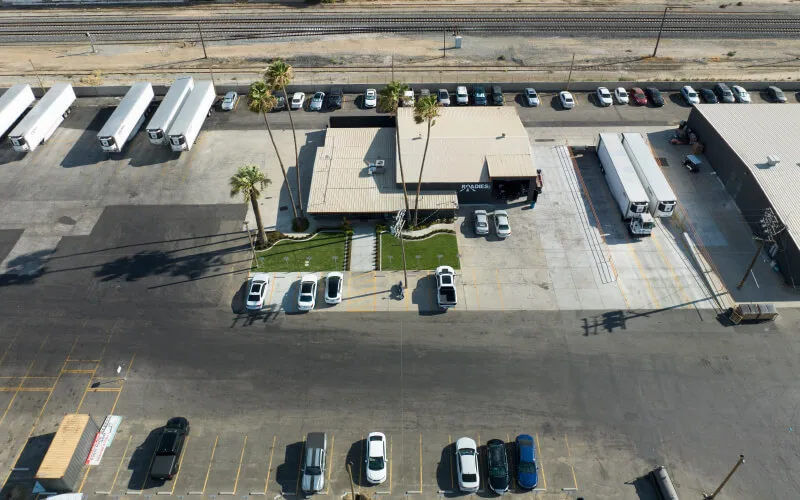
A proper truck parking lot needs a few basics: enough space to pull in and out without jackknifing, decent lighting, and ideally some kind of security presence. Unfortunately, a lot of lots labeled as truck-friendly don't actually meet those basics, especially in areas experiencing rapid growth in freight traffic.
What Good Truck Trailer Parking Actually Looks Like
Here's where things get more specific. Parking a bobtail is one thing finding solid truck trailer parking for a loaded trailer is a different challenge entirely. You need more room to maneuver, a stable surface that won't sink under the weight, and enough clearance so you're not blocking other drivers trying to get in or out.
A few things to check before dropping a trailer for the night or over a weekend:
- Is the surface paved or at least solid gravel, not soft ground that could shift under load
- Is there enough turning radius to hook back up without backing across three other spots
- Is the lot monitored, gated, or at minimum well-lit at night
- Are there clear rules about how long a trailer can sit before it's towed or flagged
Skipping these checks is how drivers end up with a trailer stuck in mud, or worse, missing when they come back for it.
How Parking Problems Turn Into Maintenance Problems
This is the part that connects back to what we do here in the shop. Bad parking for trucks doesn't just cost you time it can cost you in repairs too. Tight, poorly designed lots lead to more curb strikes, which throw off your alignment. Uneven or soft surfaces stress your suspension every time you pull in or out. And trailers left in the wrong kind of truck trailer parking spot are more prone to tire damage from potholes, debris, or standing water that eats away at rubber over time.
We see it in the shop regularly: a driver comes in for what they think is a random vibration or pull, and it traces back to weeks of parking in lots that weren't built to handle the weight or turning radius of a loaded rig.
Finding a Reliable Truck Parking Lot on Your Route
A few practical habits help here. Apps that show real-time truck stop and rest area capacity can save you from circling once you're already tired. Planning fuel and rest stops around known truck stops with dedicated space for trucks, rather than assuming you'll find something last minute, makes a real difference on long hauls. And if you're running a regular route, it's worth building a mental list (or a shared list with your dispatch) of lots that consistently have room and decent conditions.
Why Flying Bird Repair Cares About This Too
We're not a parking company, but we see the downstream effects of bad parking every day alignment issues, tire wear, suspension stress, and trailer damage that all trace back to where and how a truck sat overnight. Part of keeping your rig road-ready is understanding what it goes through off the road too. If you're dealing with a pull, vibration, or uneven tire wear that started after a rough parking situation, that's exactly the kind of thing our team is set up to diagnose and fix.
Frequently Asked Questions
1. Why is parking for trucks so hard to find on major routes?
Freight volume has grown faster than truck-specific infrastructure in a lot of areas, so rest areas and dedicated lots fill up quickly, especially in the evening. Planning stops earlier in your shift and using real-time capacity apps helps avoid last-minute scrambling.
2. What should I look for in a safe truck parking lot?
Look for solid, paved surfaces, adequate lighting, enough room to maneuver a full rig, and some form of security or monitoring. A lot that checks these boxes is far less likely to lead to accidents, theft, or vehicle damage.
3. Is truck trailer parking different from regular truck parking?
Yes. A loaded or unhitched trailer needs a stable surface that won't shift or sink, plus enough clearance to re-hook without backing through tight spaces. Not every lot that fits a tractor comfortably fits a trailer the same way.
4. Can bad parking conditions actually damage my truck?
Absolutely. Curb strikes throw off alignment, soft or uneven surfaces stress suspension components, and standing water or debris in poorly maintained lots accelerates tire wear. If you've noticed a new pull or vibration after parking in rough conditions, it's worth having it checked.
5. How do I know if my truck needs a checkup after parking in bad conditions?
Watch for a truck pulling to one side, uneven tire wear, or new vibration in the steering wheel. These are common signs of alignment or suspension issues that can develop from repeated exposure to poor parking surfaces. Flying Bird Repair can run a full inspection to catch it early.
6. Does Flying Bird Repair help with parking-related vehicle damage?
Yes. While we don't manage parking lots, our team regularly diagnoses and repairs the alignment, suspension, and tire issues that stem from rough parking conditions. If something feels off after a long stretch of parking in less-than-ideal lots, bring it in and we'll take a look.