Maintaining a clean factory is essential for smooth operations, employee safety, and product quality. Industrial environments often deal with dust, grease, machinery residue, chemical spills, and waste materials that require specialised cleaning methods. Regular housekeeping may not be enough to manage these challenges effectively.
Hiring a professional factory cleaning company helps businesses maintain hygienic, organised, and safe working environments. Experienced cleaning teams use appropriate equipment, trained staff, and structured cleaning procedures to handle different industrial spaces without unnecessarily interrupting daily operations.
Why Do Factories Need Professional Cleaning Services?
Factories experience continuous production activities, which can quickly lead to dirt accumulation and workplace contamination. Professional cleaning helps address these issues before they affect employees, equipment, or operations.
Some important benefits include:
- Improved workplace safety: Removing oil spills, dust, and debris helps reduce the risk of slips, falls, and other workplace accidents.
- Better equipment performance: Cleaning machinery and surrounding areas helps prevent dirt buildup that may affect equipment efficiency.
- Healthier working conditions: Regular removal of dust and unwanted particles supports a cleaner environment for factory workers.
- Better operational organisation: Clean production areas make it easier for employees to move around and perform their responsibilities.
- Positive business image: A well-maintained facility reflects professional management and attention to workplace standards.
6 Essential Services Offered by a Professional Factory Cleaning Company
Different industrial facilities have different cleaning requirements. A reliable cleaning provider can customise its services according to the factory layout, production activities, and hygiene needs.
1. Industrial Floor Cleaning
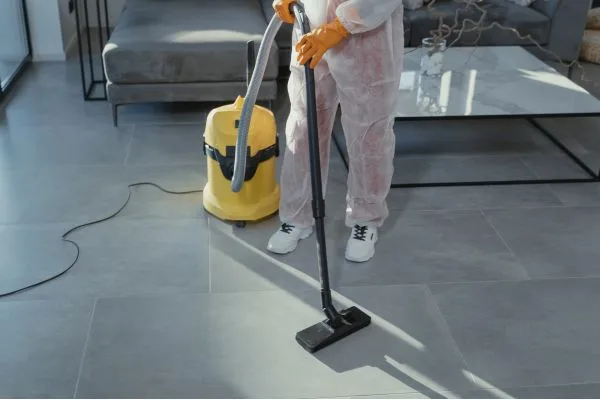
Factory floors are exposed to heavy foot traffic, machinery movement, dust, oil, and production waste. Professional cleaners use suitable floor scrubbers, industrial vacuum cleaners, and cleaning solutions to remove stubborn dirt.
Regular floor maintenance also helps create safer walkways and organised production areas.
2. Machinery and Equipment Cleaning
Dust, grease, and residue can accumulate around industrial machines during regular operations. Professional cleaning teams follow appropriate procedures to clean accessible machinery surfaces and surrounding equipment.
Cleaning schedules should consider manufacturer recommendations and operational safety requirements to avoid damaging sensitive components.
3. Warehouse and Storage Area Cleaning
Warehouses and storage facilities require regular maintenance to prevent dust accumulation and clutter. Cleaning services may include sweeping floors, removing waste, cleaning storage areas, and maintaining clear access routes.
An organised warehouse also makes inventory handling and material movement more efficient.
4. High-Level Cleaning
Ceilings, overhead structures, ventilation areas, pipes, and lighting fixtures can collect dust over time. High-level cleaning requires specialised equipment and trained personnel who can work safely at elevated heights.
Scheduled cleaning helps minimise dust accumulation in areas that are difficult to reach during routine maintenance.
5. Restroom and Common Area Sanitisation
Employee restrooms, changing rooms, cafeterias, and shared spaces need consistent cleaning and sanitisation. Professional cleaners focus on frequently touched surfaces, floors, washbasins, and waste disposal areas.
Maintaining these spaces supports employee comfort and general workplace hygiene.
6. Industrial Waste and Debris Removal
Manufacturing activities can generate packaging waste, dust, scrap materials, and other unwanted debris. A professional cleaning team helps maintain designated waste collection areas and supports proper disposal procedures.
Hazardous or regulated industrial waste should always be managed through appropriately licensed waste-handling providers.
How to Choose the Right Factory Cleaning Company
Selecting an industrial cleaning provider requires more than comparing service prices. Businesses should evaluate the company's experience, workforce training, equipment, and ability to meet specific facility requirements.
Consider these factors before making a decision:
- Industry experience: Look for a provider familiar with manufacturing plants, warehouses, and industrial environments.
- Trained cleaning professionals: Staff should understand workplace hazards, cleaning procedures, and relevant safety requirements.
- Suitable cleaning equipment: Check whether the company uses industrial-grade machines and appropriate cleaning products.
- Flexible cleaning schedules: Choose a provider that can work around production hours and operational requirements.
- Customised service plans: Cleaning frequency and methods should match your facility's size and activities.
- Safety practices: Ask about risk assessments, personal protective equipment, insurance, and safe chemical handling.
Why Regular Factory Cleaning Is Better Than Occasional Maintenance
Waiting until a factory becomes visibly dirty can create unnecessary maintenance challenges. Dirt, grease, and industrial residue may become harder to remove when allowed to accumulate.
A planned cleaning schedule helps businesses maintain consistent hygiene throughout the facility. Daily cleaning may be suitable for high-traffic areas, while machinery surroundings, ceilings, storage spaces, and other sections may require weekly or periodic attention.
The ideal schedule depends on production volume, industry requirements, and the type of contaminants present.
Conclusion
A clean factory is an important part of maintaining workplace safety, operational efficiency, and employee well-being. Professional industrial cleaning helps businesses manage difficult cleaning tasks while keeping production and storage areas organised.
Choosing an experienced factory cleaning company allows businesses to develop a structured maintenance plan based on their operational needs. With the right cleaning support, factories can maintain better working conditions and create a more productive industrial environment.
Frequently Asked Questions (FAQs)
1. What does a factory cleaning company do?
A factory cleaning company provides specialised cleaning services for manufacturing facilities, including floor cleaning, machinery-area maintenance, warehouse cleaning, high-level cleaning, and waste removal.
2. How often should a factory be professionally cleaned?
Cleaning frequency depends on the factory's activities, workforce size, production processes, and hygiene requirements. High-traffic and high-risk areas may need daily attention.
3. Why is industrial cleaning different from regular office cleaning?
Industrial cleaning involves handling machinery residue, heavy dust, grease, industrial waste, and potentially hazardous materials. It often requires specialised equipment, trained personnel, and additional safety precautions.
4. Can factory cleaning be scheduled outside production hours?
Yes. Many professional cleaning providers offer flexible schedules, including after-hours and weekend cleaning, to minimise disruption to manufacturing operations.
5. What should businesses check before hiring an industrial cleaning company?
Businesses should review the provider's industry experience, staff training, cleaning equipment, safety procedures, insurance coverage, and ability to provide customised cleaning plans.
6. Does professional factory cleaning help improve workplace safety?
Yes. Removing accumulated dust, debris, and floor contaminants can reduce certain workplace hazards and support a cleaner, safer working environment.