
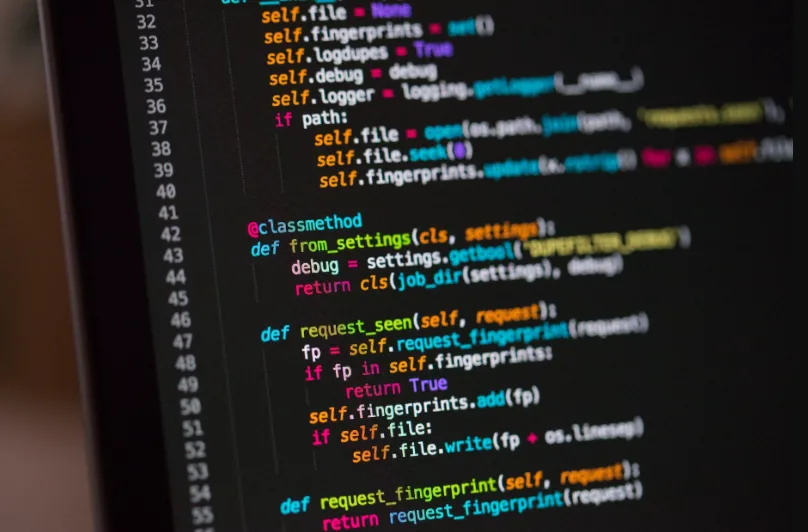
Python has become one of the most widely used programming languages because of its simplicity, flexibility, and powerful capabilities. From automation and web development to artificial intelligence and cybersecurity, Python continues to dominate modern software development. However, learning Python requires more than understanding syntax and theory. To truly improve as a programmer, consistent Python coding practice is essential.
One of the most effective ways to strengthen Python skills is through kata challenges. These structured coding exercises help developers improve problem-solving abilities, practice algorithms, and gain hands-on programming experience in an engaging and interactive environment.
Platforms like Codewars provide thousands of Python challenges that allow developers of all skill levels to practice consistently while learning from a supportive coding community.
What Are Kata Challenges?
Kata challenges are coding exercises inspired by martial arts training methods, where repeated practice leads to improvement and mastery. In programming, kata challenges encourage developers to solve problems repeatedly while refining their coding techniques and logical thinking.
These exercises are designed for different skill levels, allowing beginners and experienced developers to progress gradually through increasingly difficult challenges.
Beginner Challenges
Simple exercises that focus on Python fundamentals such as:
Variables and Data Types
Loops and Conditional Statements
Functions and Basic Logic
String Manipulation
These challenges help beginners build a strong programming foundation.
Intermediate Challenges
Intermediate exercises focus on improving:
Algorithm Design
Data Structures
Problem-Solving Techniques
Code Optimization
Developers learn how to create more efficient and scalable solutions.
Advanced Challenges
Advanced kata problems often involve:
Complex Algorithms
Recursion
Dynamic Programming
Performance Optimization
These challenges help experienced programmers sharpen technical expertise and prepare for real-world software engineering tasks.
Why Python Coding Practice Matters
Consistent Python coding practice offers several important benefits for developers.
Strengthening Problem-Solving Skills
Coding challenges teach developers how to analyze problems logically and break them into smaller, manageable steps.
Improving Code Efficiency
As developers solve more challenges, they learn how to write cleaner, faster, and more optimized code.
Reinforcing Python Concepts
Hands-on practice strengthens understanding of:
Functions and Modules
Lists and Dictionaries
Object-Oriented Programming
File Handling and Automation
Algorithms and Data Structures
Practical coding experience helps developers apply these concepts naturally in real projects.
Preparing for Technical Interviews
Many companies use coding assessments during hiring processes. Regular challenge practice improves confidence and problem-solving speed during interviews.
Encouraging Continuous Learning
Technology evolves rapidly, and coding challenges help developers stay sharp while continuously improving their technical abilities.
Benefits of Kata Challenges
Kata challenges provide more than just coding exercises. They create a structured and engaging learning experience that supports long-term growth.
Hands-On Learning
Instead of only reading tutorials, developers actively apply concepts by solving practical problems.
Progressive Skill Development
Challenges increase gradually in difficulty, allowing learners to improve step by step.
Immediate Feedback
Most coding platforms instantly test submitted code and highlight errors, helping developers learn from mistakes quickly.
Exposure to Different Problem Types
Developers gain experience with:
Algorithms
Mathematical Logic
Data Processing
Pattern Recognition
Optimization Problems
This variety strengthens adaptability and programming flexibility.
Motivation Through Gamification
Many platforms include rankings, achievements, badges, and points systems that make learning more interactive and rewarding.
Gamification encourages consistency and keeps developers motivated to continue practicing.
Community Learning and Collaboration
One of the biggest advantages of platforms like Codewars is the strong developer community.
Community learning helps developers:
Compare Different Solutions
Reviewing alternative approaches improves coding flexibility and introduces new techniques.
Learn Best Practices
Experienced developers often demonstrate more efficient and readable solutions.
Receive Constructive Feedback
Feedback from other programmers helps identify weaknesses and improve coding habits.
Stay Motivated
Being part of a coding community encourages continuous learning and regular practice.
Collaborative learning creates a more engaging and supportive programming environment.
Best Practices for Python Coding Practice
Developers can improve more effectively by following a structured approach to coding practice.
Practice Consistently
Daily coding sessions, even short ones, help reinforce learning and build momentum.
Start with Simpler Challenges
Beginners should focus on mastering core concepts before moving into advanced algorithms.
Understand the Problem First
Carefully analyze requirements, inputs, outputs, and constraints before writing code.
Plan Before Coding
Outlining logic or writing pseudocode can help organize solutions more efficiently.
Write Readable Code
Use meaningful variable names, comments, and proper formatting to improve maintainability.
Test Multiple Scenarios
Run code with different inputs and edge cases to identify bugs and improve reliability.
Review Other Solutions
Learning from different coding styles helps improve flexibility and problem-solving skills.
Consistency and reflection are essential for long-term programming growth.
The Future of Python Coding Practice
As technology continues to evolve, coding practice platforms are becoming more advanced and personalized.
Artificial Intelligence Integration
AI-powered systems can provide personalized challenge recommendations and instant learning feedback.
Interactive Learning Environments
Modern platforms are adding live collaboration tools, coding competitions, and interactive tutorials.
Adaptive Learning Paths
Future systems may adjust challenge difficulty based on individual learning progress and skill level.
Expanded Real-World Simulations
Coding platforms are increasingly introducing practical scenarios that mirror real software development environments.
These innovations will continue making Python learning more engaging and effective.
Conclusion
Python coding practice is one of the most effective ways to improve programming skills, strengthen logical thinking, and prepare for real-world software development challenges. Through kata challenges, developers can gain practical experience, improve problem-solving abilities, and build confidence in their coding skills.
Platforms like Codewars provide structured exercises, community collaboration, and gamified learning experiences that help developers stay motivated and continue growing. By practicing consistently, learning from others, and embracing continuous improvement, programmers can steadily master Python and prepare for long-term success in the technology industry.