Charging Ahead: The Surge of Electric Vehicles on the Roads
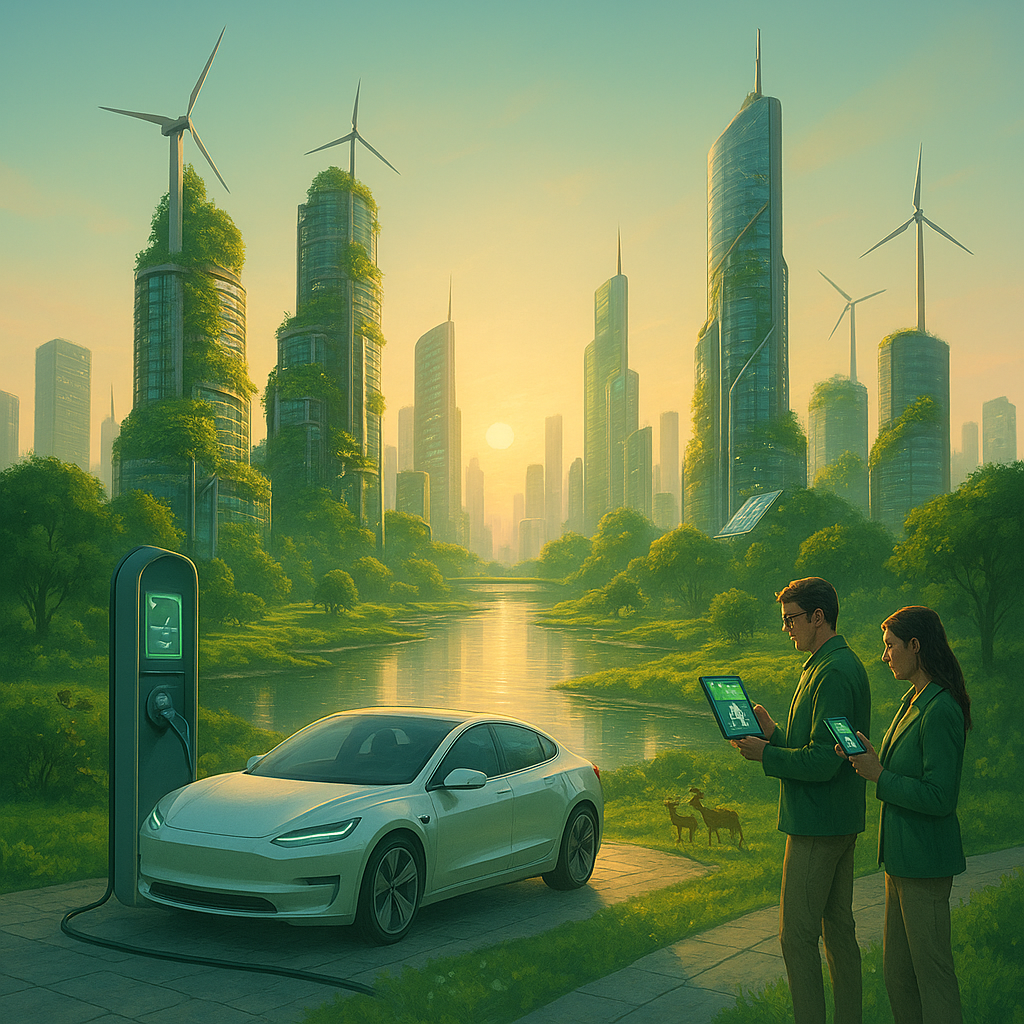
In 2026, the global automotive landscape is unmistakably shifting toward electric vehicles (EVs). Recent data from the International Energy Agency (IEA) confirms that EVs now represent nearly 25% of all new car sales worldwide, a dramatic leap from just 5% in 2020. Urban streets from Shanghai to San Francisco are witnessing an unprecedented influx of Tesla Model Y, Hyundai Ioniq 7, and Rivian R2 models, signaling a profound transformation in consumer behavior and automotive manufacturing priorities. This surge is not merely a trend but a reflection of multifaceted drivers including technological advances, government incentives, and shifting consumer values toward sustainability.
Imagine a typical morning in Oslo, a city renowned for its green initiatives. Residents are no longer idling at gas stations but plugging in their vehicles at one of the city's 20,000 public charging points. The quiet hum of electric motors replaces the roar of combustion engines, contributing to improved air quality and reduced noise pollution. Yet, beneath this optimistic scene lies a complex challenge: Can the current electrical grid handle this rapid electrification without faltering?
"The rapid adoption of EVs is a double-edged sword; while it propels environmental goals, it stresses existing infrastructure in unforeseen ways," notes Dr. Helena Madsen, an energy systems specialist at the Technical University of Denmark.
Tracing the Road to Electrification: A Historical Perspective
The roots of electric vehicles stretch back to the late 19th century, but their resurgence is a 21st-century phenomenon powered by breakthroughs in battery technology and climate policy. Early efforts in the 1990s, such as General Motors’ EV1, faced commercial viability challenges due to limited range and high costs. It was not until the mid-2010s, with Tesla’s Model S redefining performance and range expectations, that EVs began to capture mainstream attention.
Governments worldwide accelerated the transition with ambitious emissions targets. The European Union’s stringent CO2 emission standards, China’s massive EV subsidy programs, and the U.S. Inflation Reduction Act of 2022, which allocated billions in consumer rebates and infrastructure development, collectively spurred automakers to pivot their portfolios towards electrification. By 2024, nearly all major manufacturers had committed to phasing out internal combustion engines by 2035.
Battery innovation has been pivotal. The evolution from nickel-metal hydride to lithium-ion, and now to solid-state batteries, has dramatically enhanced energy density, charging speed, and safety. The cost per kilowatt-hour (kWh) plummeted from over $1,200 in 2010 to near $75 in 2025, making EVs increasingly affordable. These technological and policy shifts have set the stage for the current electric vehicle boom.
Analyzing the Infrastructure Challenge: Can the Grid Keep Up?
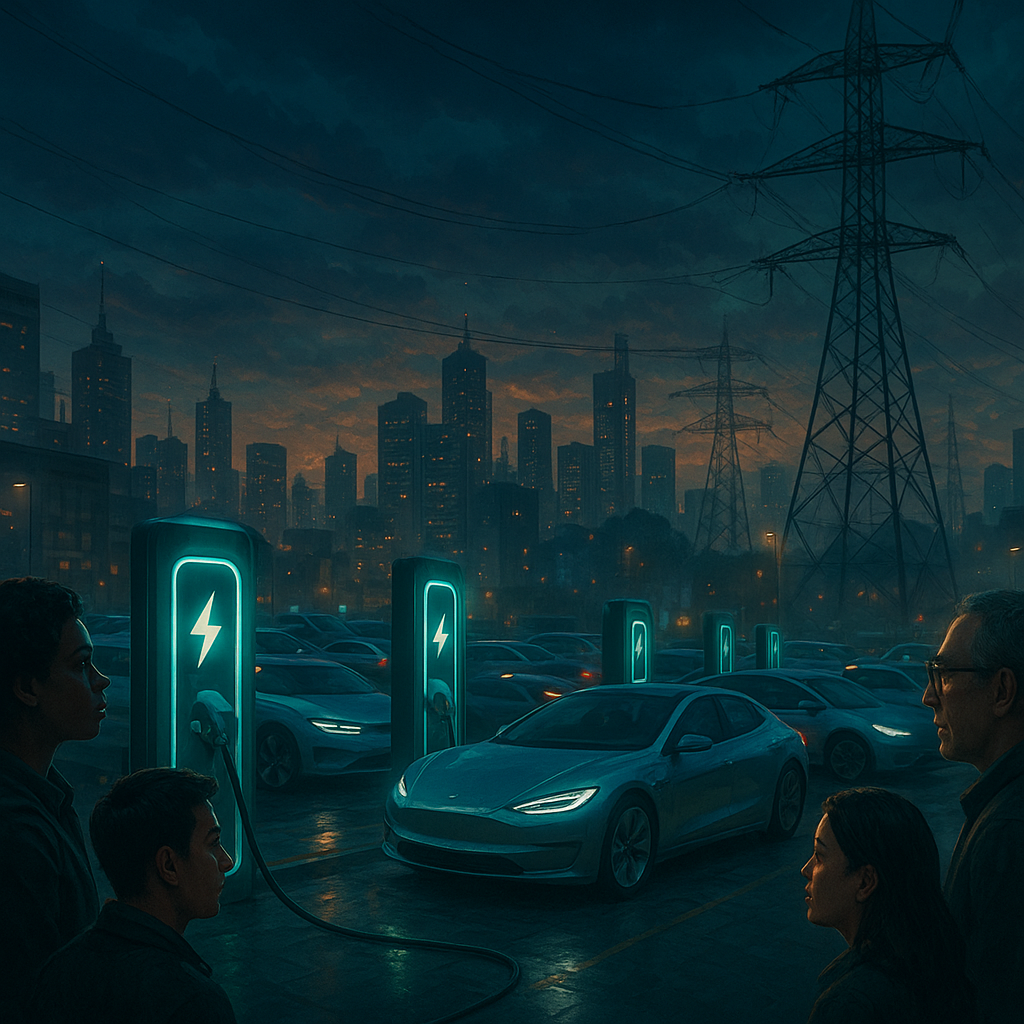
The rapid expansion of EVs is exerting unprecedented pressure on electrical grids globally. According to the U.S. Department of Energy, an average EV requires approximately 30 kWh to travel 100 miles. When millions of vehicles charge simultaneously, peak demand spikes threaten to outstrip grid capacity, especially in regions with aging infrastructure or limited renewable energy integration.
Grid operators face several core challenges:
- Peak Load Management: Evening charging habits coincide with residential peak electricity use, risking overloads.
- Infrastructure Gaps: Many urban and rural areas lack sufficient public charging stations, particularly fast chargers.
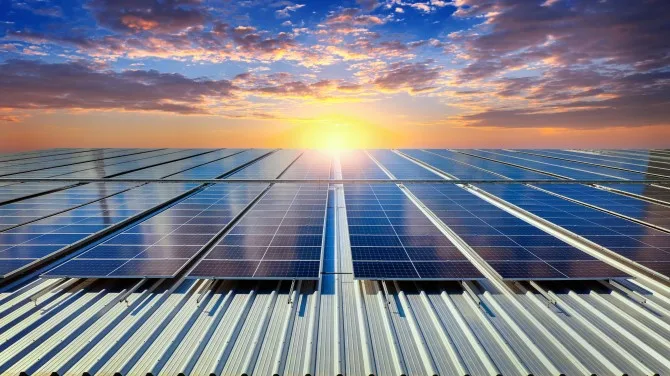
- Renewable Integration: Balancing intermittent solar and wind power with EV charging demands requires sophisticated grid management.
Several innovative solutions are emerging. Smart charging technologies allow dynamic adjustment of charging rates based on grid load, enabling more efficient energy distribution. Vehicle-to-grid (V2G) systems convert EVs into mobile energy storage, feeding electricity back during peak hours. Additionally, utilities are investing in grid modernization, deploying advanced metering infrastructure and enhancing transmission lines.
However, significant investment and regulatory coordination are imperative. Europe’s ENTSO-E grid operator estimates that by 2030, an additional 200 GW of generation capacity and extensive grid reinforcement will be necessary to meet EV-driven demand. In the U.S., the National Renewable Energy Laboratory (NREL) projects that without targeted interventions, blackouts could increase by 15% in high EV penetration zones.
"Preparing the grid for the EV revolution is as critical as the vehicles themselves. Without it, adoption could stall and sustainability goals jeopardized," warns Michael Chen, lead analyst at GridTech Consulting.
Recent Breakthroughs and Trends in 2026
This year marks notable milestones in both EV technology and infrastructure. Solid-state batteries have transitioned from pilot phases to commercial deployment, offering up to 50% more range and 30% faster charging than traditional lithium-ion cells. Companies like QuantumCell and SolidPower now dominate the battery market, driving down costs and improving vehicle performance.
Charging infrastructure has expanded dramatically. The United States added over 150,000 new fast chargers in 2025 alone, spurred by federal funding and private sector partnerships. Europe’s TEN-E program accelerated cross-border EV corridors, enabling seamless long-distance travel. Meanwhile, China’s investment in ultra-fast 800V charging networks enables some models to recharge from 10% to 80% in under 10 minutes.
On the consumer side, adoption barriers are eroding. The average upfront cost of EVs has dropped below that of comparable internal combustion engine vehicles in multiple markets. Battery leasing models and second-life battery applications for home energy storage have improved affordability and sustainability. Moreover, automakers have diversified offerings, with electric pickup trucks, SUVs, and even electric two-wheelers gaining popularity.
Policy frameworks continue to evolve. The 2026 Global EV Summit in Berlin produced a landmark agreement on harmonizing charging standards and incentivizing circular economy practices for battery recycling. Governments also intensified focus on grid resilience and equitable access to EV benefits, addressing disparities in charging infrastructure availability.
Industry Insights: What Experts Are Saying
Industry leaders emphasize that while EV adoption is accelerating, systemic challenges remain. According to Elena Rodriguez, Chief Sustainability Officer at VoltDrive Motors, "Our mission is not just to sell electric cars but to ensure the entire ecosystem supports sustainable mobility — from raw materials to end-of-life battery management." VoltDrive’s recent partnership with mining firms to promote ethical cobalt sourcing reflects this comprehensive approach.
Energy companies are also recalibrating strategies. Shell Energy’s CEO, Mark Ellis, highlights the shift: "We are no longer just oil and gas suppliers — we are energy providers facilitating the transition to low-carbon systems, investing heavily in renewable generation and smart grid solutions to support the EV boom." His comments echo trends reported by the International Renewable Energy Agency (IRENA) indicating that utility-scale solar and wind capacity increased by 20% globally in 2025, partly driven by EV demand.
Automotive analysts caution about supply chain bottlenecks, especially for critical battery materials like lithium, nickel, and manganese. While recycling rates have improved, new extraction projects face environmental scrutiny and geopolitical risks. Industry bodies advocate for a balanced approach combining domestic mining, international partnerships, and aggressive recycling targets.
"The future of EVs depends as much on responsible supply chains as on technology innovation," says Dr. Anita Patel, a materials scientist at the Center for Sustainable Mobility.
Looking Forward: What to Watch in the Next Five Years
As we move toward 2030, several key factors will shape the trajectory of electric vehicles:
- Grid Modernization: Implementation of widespread smart grids and V2G technologies will be critical to manage increasing loads efficiently.
- Battery Breakthroughs: Continued advances in solid-state, lithium-sulfur, and alternative chemistries may further reduce costs and environmental impacts.
- Policy Evolution: Governments will need to refine incentives, standardize charging infrastructure, and enforce rigorous sustainability standards for materials.
- Consumer Behavior: Trends toward shared mobility, autonomous driving, and integration with renewable energy at home will influence EV ownership models.
- Global Supply Chains: Diversification and circular economy practices will reduce dependency on vulnerable sources and improve sustainability.
Consumers and industry watchers can also monitor the developments detailed in our analysis of consumer attitudes toward EVs and the in-depth exploration of challenges related to power grids in the comprehensive grid infrastructure report. These pieces provide valuable context for understanding the broader ecosystem within which EVs operate.
Ultimately, the electric vehicle revolution is a complex interplay of technology, infrastructure, policy, and consumer choice. Ensuring its success requires coordinated effort across sectors and continued innovation. As Dr. Madsen aptly summarizes, "Electric vehicles are not just a product — they are a catalyst for systemic transformation in how we produce, distribute, and consume energy." The coming years will test that transformation’s resilience and sustainability.