
Starting Strong: The New Reality for Harvard's Career Seekers
In an era where the job market is both hypercompetitive and rapidly evolving, Harvard students face unprecedented challenges and opportunities. As someone who has advised hundreds of these students over the past decade, I have witnessed a clear pattern: those who secure coveted roles in 2026 consistently execute eight distinct strategies. This cohort, thriving amid economic shifts and technological disruption, is not merely relying on traditional resumes or legacy networks. Instead, they blend time-tested career tactics with innovative approaches tailored to the complexities of today’s employment landscape.
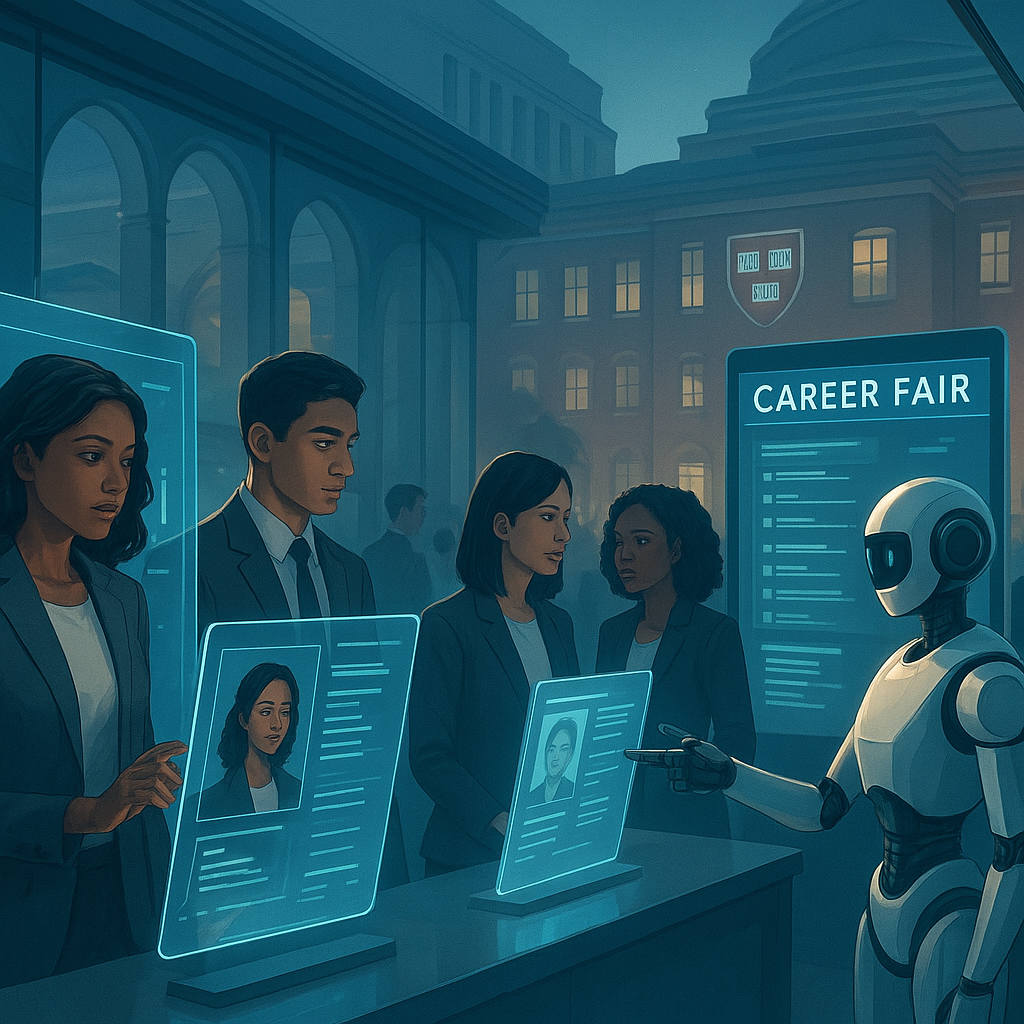
Consider a recent scene at a Harvard career fair: a packed room buzzing with recruiters from top-tier firms, tech giants, and cutting-edge startups. Among the crowd, students armed with not just polished resumes but also digital portfolios and demonstrable project outcomes engage in confident dialogues. This transformation reflects a broader shift that transcends Harvard’s campus to influence hiring trends globally.
“Top employers today look beyond credentials; they seek candidates demonstrating adaptability, initiative, and a clear understanding of the future of work.” – Harvard Career Services Director, 2026
Understanding the eight strategies these students apply gives a window into the future of career success, providing a roadmap for aspirants and hiring managers alike.
Historical Context: How Harvard Students’ Job Search Strategies Evolved
Two decades ago, Harvard graduates relied heavily on Ivy League prestige and traditional networks. The post-2008 recovery period saw an emphasis on elite internships and GPA-centric recruiting. Yet, as automation, AI, and gig work altered employment norms, the utility of classical approaches waned. By 2020, merely having a Harvard degree was insufficient without complementary skills and adaptive career tactics.
Harvard’s career advising has evolved accordingly. The integration of technology-enabled learning, experiential education, and cross-disciplinary collaboration became critical. The class of 2026 is the first to graduate after Harvard’s full-scale implementation of the Career Pathways Initiative, a program merging academic rigor with real-world application across domains such as AI ethics, sustainability, and entrepreneurship.
Key milestones shaping this evolution include:
- 2015: Launch of digital credentialing platforms allowing students to showcase micro-credentials and verified skills.
- 2018: Expansion of remote internship options, accelerated by global connectivity and later by the COVID-19 pandemic.
- 2023: Widespread adoption of AI-assisted career coaching and interview preparation tools.
- 2025: Integration of blockchain-based portfolio verification systems ensuring authenticity of student achievements.
These developments transformed how Harvard students approach job markets, necessitating a new playbook embracing agility and tech fluency.
Eight Core Strategies Driving Success in Harvard’s 2026 Graduates
The eight behaviors that distinguish Harvard students landing top jobs today fall into a mix of preparation, mindset, and execution. Each strategy reflects a response to current employer expectations and labor market dynamics.
1. Crafting Dynamic Digital Portfolios
Beyond traditional resumes, Harvard students curate interactive digital portfolios integrating project case studies, coding repositories, presentations, and multimedia testimonials. Platforms like GitHub, Behance, or proprietary Harvard portals enable this rich representation. Recruiters at firms such as Google, McKinsey, and emerging AI startups increasingly favor these portfolios for their depth and authenticity.
2. Leveraging Cross-Disciplinary Learning
Students augment their primary degrees with coursework and certifications in complementary fields. For example, economics majors acquire data science skills; engineers take courses in behavioral psychology. This interdisciplinary approach equips candidates to tackle complex, real-world problems and signals intellectual versatility.
3. Building Authentic Networks
Rather than mass-connecting on LinkedIn, successful students focus on cultivating meaningful relationships with mentors, alumni, and industry leaders. This often involves sustained engagement through Harvard-affiliated clubs, industry panels, and targeted informational interviews. The quality of connections has replaced quantity as the gold standard.
4. Demonstrating Impact Through Experiential Learning
Internships, research projects, and entrepreneurial ventures that yield measurable results are prioritized. Harvard students increasingly seek roles where they can contribute to sustainability initiatives, social justice, or technological innovation, aligning personal values with employer missions.
5. Mastering Communication and Storytelling
Effective articulation of one’s journey, challenges, and achievements in both written and verbal formats is critical. Students train rigorously in interview simulations and pitch competitions, understanding that narrative coherence can sway hiring decisions.
6. Embracing Lifelong Learning and Resilience
Given the volatile nature of careers, students commit to continuous skill development. They actively participate in workshops about emerging technologies, labor market trends, and mental wellness strategies, fostering adaptability and perseverance.
7. Utilizing AI and Data Analytics in Job Search
Sophisticated use of AI-driven tools helps identify optimal job matches, tailor applications, and prepare for algorithmic resume screening. Harvard’s career center offers AI coaching that personalizes guidance based on labor market analytics.
8. Aligning Career Choices with Broader Social Impact
Finally, students prioritize employers with strong ESG (Environmental, Social, Governance) commitments or those innovating for societal good. This alignment enhances motivation and long-term career satisfaction.
“Employers today prize candidates who not only excel technically but also demonstrate a commitment to making a positive difference.” – Senior Recruiter, Fortune 500 Tech Firm
2026 Market Realities: What Has Shifted and Why It Matters
The job market in 2026 is characterized by a confluence of economic recovery, technological advancement, and shifting workforce expectations. Following years of pandemic-related disruption, companies are increasingly hybrid in their operations, blending remote and on-site work. This hybrid model demands new competencies in digital collaboration and self-management.
Moreover, the rise of generative AI and automation has redefined many roles. According to recent labor statistics, jobs requiring creativity, complex problem-solving, and emotional intelligence are growing at twice the rate of routine task roles. Harvard students who adapt to these demands stand out.
Data from the National Association of Colleges and Employers (NACE) indicates:
- 85% of employers now use AI-based tools in candidate screening.
- 60% prioritize candidates with demonstrated interdisciplinary skills.
- 70% seek evidence of social impact engagement.
- Remote internships have increased by 40% compared to 2023.
These figures underscore why the eight strategies practiced by Harvard students are not merely theoretical but essential responses to contemporary hiring practices.
Expert Perspectives and Industry Impact
Insights from industry leaders and career experts affirm these findings. A recent panel at the Harvard Innovation Lab featured top hiring managers from fintech, biotech, and consulting sectors who emphasized the value of adaptability and authentic engagement.
Dr. Emily Chen, Chief Talent Officer at a leading AI company, remarked, “The Harvard students who impress us consistently go beyond textbook knowledge. They apply interdisciplinary insights to real problems and communicate their vision effectively. They don’t just fit into our culture—they help evolve it.”
Career coaches specializing in elite university graduates note a growing emphasis on resilience and proactive skill acquisition. This trend is well documented in our recent piece 8 Essential Strategies Harvard Students Use to Secure Top Jobs Today, which complements this analysis with actionable recommendations for job seekers aiming to emulate these successes.
Case Studies: Harvard Students Who Made the Cut
To illustrate, consider three Harvard graduates from the class of 2026 who recently secured competitive positions:
- Sofia Martinez combined her computer science major with public health courses, creating a digital platform to track disease outbreaks. Her portfolio highlighted this project, leading to a role at a top global health NGO.
- Jamal Thompson invested in building relationships with alumni in venture capital, engaging in multiple informational interviews. His authentic networking landed him an analyst position at a leading VC firm focused on green technologies.
- Priya Desai leveraged AI tools to tailor her applications and prepared extensively for interviews using virtual coaching. Her narrative focused on social entrepreneurship, securing her a spot in a prominent startup accelerator.
Each case underscores the integration of multiple strategies, from digital savvy to purposeful networking and impact-driven storytelling.
Looking Ahead: What Future Harvard Job Seekers Should Prioritize
As we move further into the decade, these eight strategies are likely to evolve but remain foundational. Prospective students and career advisors should watch emerging trends such as increased AI-human collaboration, micro-credentialing, and decentralized work models.
Actionable takeaways include:
- Invest early in interdisciplinary education and real-world projects.
- Develop digital portfolios that tell a compelling, authentic story.
- Prioritize quality over quantity in professional networking.
- Commit to continuous learning and emotional resilience.
- Align career goals with broader societal values.
For readers interested in further insights on career resilience and rising above competition, see our related coverage on How to Strengthen Career Resilience in Today’s Unpredictable US Job Market and How to Rise Above the Noise and Win in Today’s Job Market. These pieces provide complementary frameworks supporting sustained career growth.
“Success in today’s job market demands more than credentials—it requires a holistic approach to personal and professional development.” – Harvard Career Advisor, 2026
Ultimately, the eight strategies practiced by Harvard’s most successful 2026 graduates serve as a model for ambitious students everywhere, offering a nuanced blueprint for navigating complexity and seizing opportunity.