
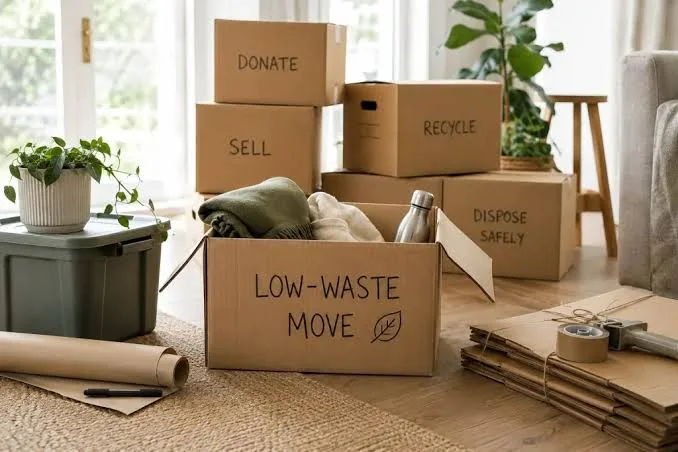
Moving day creates a mountain of trash. Between broken-down boxes, rolls of used tape, and packing peanuts that end up scattered across the yard, a single household move can generate a surprising amount of waste. The good news is that a greener move is not only possible, it is often easier and cheaper than the old cardboard-and-tape routine. If you are searching for residential moving Montreal options, you are already ahead of most people planning a move this year, and this guide will walk you through exactly how to make it happen.
Sustainable moving is not about buying a bunch of expensive "green" gadgets. It is about rethinking a few habits: what you pack things in, how you protect fragile items, and what you do with the leftover materials once you unpack. Small choices add up fast when you are moving dozens or hundreds of boxes.
Why Moving Day Produces So Much Waste
Think about a typical move. You buy or collect cardboard boxes, many of which get wet, torn, or crushed and cannot be reused. You wrap fragile items in bubble wrap and packing paper that goes straight into the recycling bin, if it even gets recycled at all. You use rolls and rolls of packing tape, which is not recyclable because it contaminates cardboard recycling streams. Multiply that by every room in the house, and you can see why moves are such a heavy source of household waste.
Traditional cardboard boxes also have a hidden cost. Each box is usually good for two or three uses before it starts to sag, tear at the corners, or lose its shape. After that, it is either recycled (if it is clean and dry) or thrown out. When you add up the number of boxes needed for a full house, that is a lot of cardboard cycling through the waste stream every single moving season.
Reusable Packing Bins vs. Cardboard Boxes
This is the biggest single change you can make for a greener move: swap cardboard boxes for reusable plastic packing bins.
What Reusable Bins Actually Offer
Reusable bins are sturdy, stackable, and weatherproof. Rain will not turn them into mush the way it does cardboard. They snap shut with a lid, so there is no tape involved at all. Movers can stack them higher and more safely because the shape stays consistent, which can actually speed up the loading and unloading process.
Many moving companies now offer bin rental programs. You order the number of bins you need, pack them at your own pace, and the company picks up the empty bins after you unpack at your new home. There is no box to break down, no tape to peel off, and nothing to haul to the recycling depot.
Where Cardboard Still Makes Sense
Cardboard is not evil. It is cheap, widely available, and fine for a small move or for items you plan to store long-term in a garage or attic. If you already have a stash of boxes from a previous move or from local stores, reusing them is still a smart, low-waste choice. The main problem is buying brand-new boxes for a single use and then tossing them a week later.
The Real Comparison
When you look at the full picture, reusable bins usually win for anyone doing a full household move, especially if you can rent them locally. Cardboard wins for one-off, small moves where buying or renting bins is not worth the effort. The greenest option is almost always whatever keeps material out of the landfill: reuse what you have first, rent bins second, and buy new cardboard as a last resort.
Smart Ways to Reduce Packing Waste
Beyond the box-versus-bin question, there are several other habits that make a real dent in moving-day waste.
Use What You Already Own for Cushioning
Instead of buying bubble wrap, use towels, blankets, bath mats, and clothing to wrap fragile items like dishes, lamps, and picture frames. This does double duty: you are not buying new packing material, and you are not packing your linens separately anyway. Socks work well around small glass items. Pillows and cushions can protect the corners of furniture during transport.
Skip the Packing Peanuts
Packing peanuts rarely get reused and almost never get recycled through curbside programs. Crumpled newspaper, shredded junk mail, or even reusable grocery bags stuffed into gaps work just as well for filling empty space in boxes.
Rent or Borrow Furniture Blankets
Moving blankets protect furniture from scratches and dings, and most moving companies rent them out for a small fee. Buying disposable stretch wrap for furniture creates plastic waste that cannot be recycled. A set of rented or borrowed moving blankets does the same job and gets reused move after move.
Label with Reusable Materials
Instead of printed sticky labels for every box, use a marker directly on bins or boxes, or use color-coded reusable tape flags that peel off cleanly and can be used again on the next move.
Donate, Sell, or Recycle Before You Pack
The greenest box is the one you never have to pack in the first place. Before moving day, go through each room and set aside anything you have not used in the past year. Furniture, clothing, kitchen items, and books in good condition can go to a local charity or thrift shop. Items with resale value can be sold online or at a garage sale. Anything broken beyond repair or truly unusable should be recycled properly rather than tossed in with your moving boxes.
This step matters more than people expect. Fewer items mean fewer boxes, less packing material, and a lighter, cheaper move overall. It also means less clutter to deal with in your new home.
What Happens to Moving Waste After You Unpack
A lot of moving waste actually happens after the truck leaves, once you start unpacking in your new place. Here is how to keep that stage clean too:
- Break down cardboard boxes flat and stack them for pickup or drop-off at a recycling depot, if you are not saving them for future use.
- Save the sturdiest boxes for storage inside closets, the garage, or the basement instead of tossing them.
- Return rented bins and moving blankets promptly so the moving company can clean and reuse them for the next customer.
- Recycle clean packing paper and cardboard, but keep tape, plastic wrap, and packing peanuts out of the recycling bin since they contaminate the load.
- Offer leftover boxes and packing paper to neighbors or through a local online marketplace. Someone else moving soon will be glad to skip a trip to the store.
How to Ask a Moving Company About Their Green Practices
If sustainability matters to you, it is worth asking a few direct questions before you book a mover:
- Do they offer reusable bin rental as an option?
- Do they rent moving blankets and furniture pads instead of using disposable wrap?
- Do they have a system for recycling or donating packing materials left behind by past customers?
- Do their trucks run efficient routes to cut down on unnecessary fuel use during local and long-distance moves?
A company that already has good answers to these questions has usually built sustainability into its everyday operations, not just added it as a marketing line.
A Simple Answer to a Common Question
People often ask whether an eco-friendly move actually costs more. In most cases, it does not. Renting reusable bins is often priced similarly to buying enough new cardboard boxes for the same move, and using towels, blankets, and clothing as cushioning costs nothing extra since you are packing those items anyway. The main savings come from generating less trash, buying fewer single-use supplies, and, in many cases, spending less time taping and unpacking boxes.
Putting It All Together for Your Next Move
A greener move comes down to a handful of decisions made before the truck ever shows up. Choose reusable bins where you can. Use household items for cushioning instead of buying new packing material. Donate or sell what you no longer need. Return rented supplies promptly so they can go straight to the next family's move. None of these steps require special skills or extra budget. They just require planning a little earlier than the night before moving day.
If you are in the Laurentians and want local help getting this right, Olympique Moving Saint-Jérôme can walk you through packing options that cut down on waste while still protecting your belongings for the trip.
Whether you are moving across town or across the region, a few small swaps on packing day add up to a much smaller footprint. Your future self, and the local landfill, will thank you.
Frequently Asked Questions:
Are reusable moving bins better than cardboard boxes for the environment?
Yes. Reusable bins can be used hundreds of times before they wear out, while cardboard boxes typically last two or three moves before they tear or get recycled, so bins create far less waste over time.
What can I use instead of bubble wrap when packing fragile items?
Towels, blankets, clothing, and socks all work well as cushioning for dishes, glassware, and picture frames, and using them means you are not buying extra packing material at all.
Is it more expensive to have an eco-friendly move?
Not usually. Renting reusable bins often costs about the same as buying new cardboard boxes, and using items you already own for cushioning does not cost anything extra.
What should I do with leftover cardboard boxes after unpacking?
Break them down flat and recycle them if they are clean and dry, save the sturdiest ones for storage, or offer them to a neighbor or local online group who is planning a move soon.
Can packing peanuts be recycled?
Most curbside recycling programs do not accept packing peanuts. It is better to skip them entirely and use crumpled paper, shredded junk mail, or reusable bags to fill empty space in boxes instead.
Book your move with a top moving company in Montreal today.