Dental Implants for Missing Teeth: Procedure, Benefits, Recovery and Aftercare
A missing tooth can gradually become more than a visible gap in a smile. It may affect chewing, speech and the way the surrounding teeth function. Tooth loss can also be associated with changes in the jawbone over time. Dental implants offer a way to replace a missing tooth with a restoration that is supported by an artificial tooth root.
Dental implants are surgically placed into the jawbone and can provide support for crowns, bridges or dentures. The treatment is widely used for replacing one or multiple missing teeth, but whether it is appropriate depends on the individual's oral and overall health.
What Happens When a Tooth Is Lost?
Natural teeth are supported by roots that sit within the jawbone. When a tooth is removed or lost, the surrounding bone no longer receives the same stimulation from that tooth root. Over time, this can contribute to changes in the bone.
Tooth loss may also affect the way a person bites and chews. Depending on the location and number of missing teeth, neighbouring teeth may experience changes in their position or function.
Replacing the missing tooth can therefore have both functional and aesthetic benefits. Dental implants are one option because they replace not only the visible portion of the tooth but also provide an artificial root structure within the jawbone.
What Is a Dental Implant Made Of?
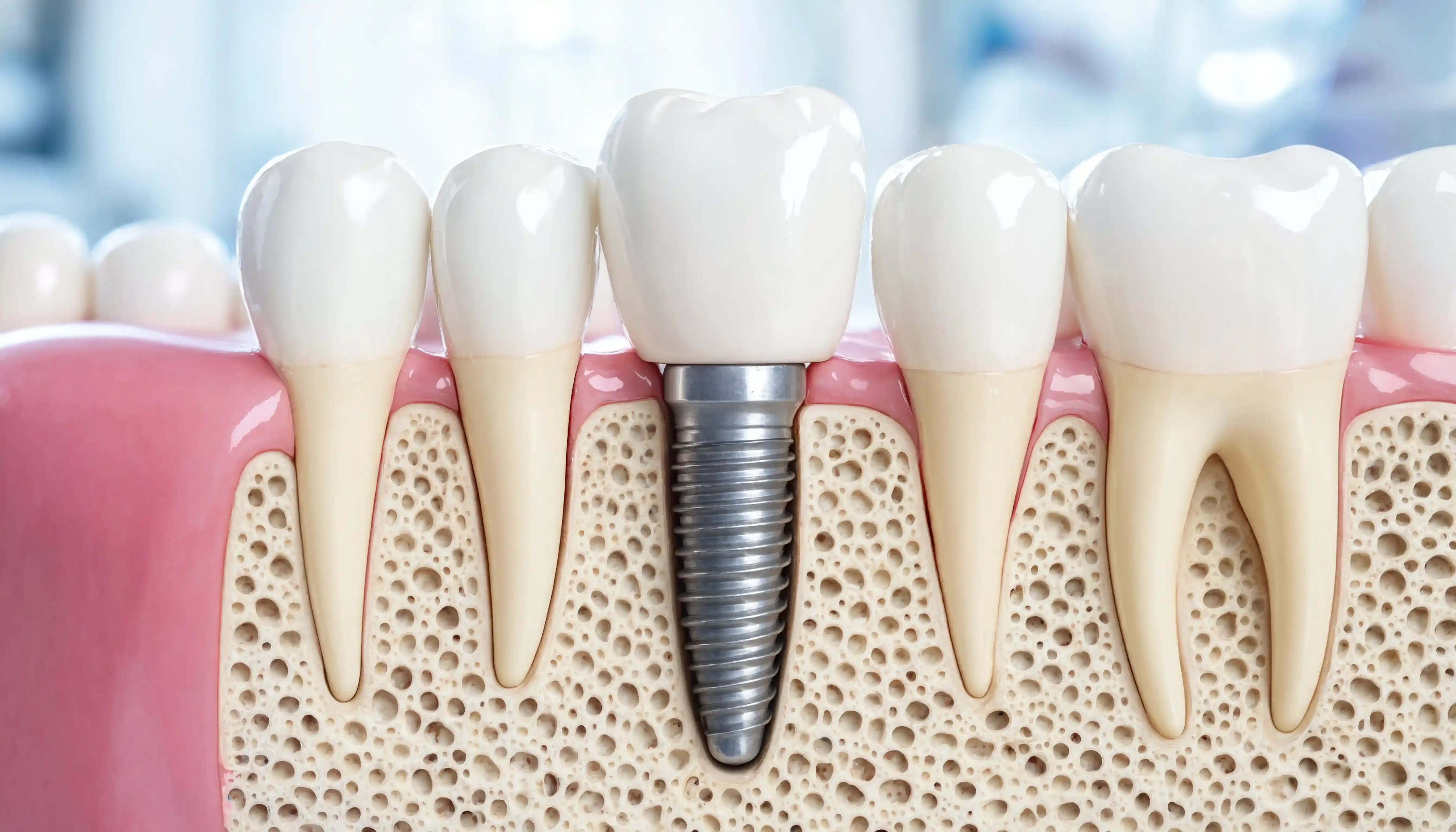
A dental implant treatment generally consists of three main parts:
Implant Fixture
This is the portion that is surgically placed into the jawbone. Dental implant systems are commonly manufactured using materials such as titanium or zirconium oxide.
Abutment
The abutment connects the implant fixture to the final dental restoration. It extends through the gum and provides the attachment point for the replacement tooth.
Dental Restoration
The visible replacement may be a crown, bridge or denture depending on how many teeth are missing and the treatment plan.
For example, a person missing one tooth may receive an implant-supported crown, while someone missing several teeth may require an implant-supported bridge.
How Does a Dental Implant Become Stable?
One of the distinctive aspects of dental implants is the process known as osseointegration.
After the implant is placed into the jawbone, the surrounding bone gradually integrates with the implant surface. This process provides the stability needed to support the eventual restoration.
Osseointegration takes time, and the healing period can vary from one patient to another. Some treatment protocols may allow immediate or earlier restoration in carefully selected cases, while other patients need a longer healing period before the permanent tooth is attached.
This is one reason dental implant treatment cannot always be completed in a single appointment.
Step-by-Step Dental Implant Treatment
The exact treatment sequence depends on the patient's condition, but a typical implant journey involves several stages.
Step 1: Dental Evaluation
The dentist first examines the mouth and evaluates the missing-tooth area. The condition of the gums, remaining teeth and available jawbone needs to be considered.
Diagnostic imaging may be recommended to help assess the bone and surrounding structures.
The patient's medical history is also important. Overall health can influence whether someone is a suitable candidate, how healing progresses and how long the implant may remain functional.
Step 2: Treatment Planning
After the examination, the dentist develops a personalised treatment plan.
The plan may determine:
- The number of implants required
- The ideal implant position
- The type of restoration
- Whether tooth extraction is required
- Whether bone augmentation may be necessary
- The expected healing period
Good treatment planning is important because implant placement involves both surgical and restorative considerations.
Step 3: Implant Placement
The implant fixture is surgically placed into the jawbone at the location of the missing tooth root.
Depending on the treatment approach and individual circumstances, a temporary replacement may be provided during the healing period.
Step 4: Healing and Osseointegration
The implant remains undisturbed while the surrounding bone heals and integrates with it.
This phase can take several months. The dentist monitors healing and implant stability before proceeding with the final restoration.
Step 5: Final Restoration
Once the implant is ready, the abutment and final restoration are fitted.
For a single missing tooth, this is generally a custom-made crown designed to blend with the surrounding teeth.
Who May Benefit From Dental Implants?
Dental implants may be considered for people who have lost teeth because of:
- Severe tooth decay
- Gum disease
- Dental trauma
- Tooth fractures
- Congenital absence of teeth
- Other causes of tooth loss
However, simply having a missing tooth does not automatically make someone a candidate.
The dentist needs to assess the available bone, gum health, oral hygiene and overall health before recommending treatment.
Good general health can be an important consideration, while conditions that affect healing may require additional medical evaluation or management before implant surgery.
Can Dental Implants Be Used When Several Teeth Are Missing?
Yes. Dental implants are not limited to single-tooth replacement.
When multiple teeth are missing, implants may be used to support:
- Multiple individual crowns
- An implant-supported bridge
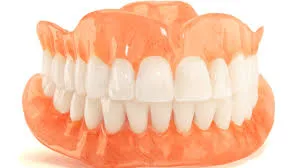
- An implant-supported denture
- A full-arch restoration
Importantly, every missing tooth does not necessarily require a separate implant. The number and position of implants depend on factors such as bone availability, the location of the missing teeth and the type of restoration being planned.
Dental Implants vs Traditional Bridges
Both implants and conventional bridges can replace missing teeth, but they work differently.
A traditional bridge generally uses neighbouring teeth as supports for the replacement tooth. An implant-supported crown, on the other hand, is anchored to an implant placed in the jawbone.
For suitable patients, this means a single implant can replace a missing tooth without using the adjacent natural teeth as bridge supports.
The choice between an implant, bridge or another replacement option should be made after a dental assessment rather than based solely on appearance or cost.
What Are the Main Benefits of Dental Implants?
Dental implants can offer several advantages when they are appropriately planned and maintained.
Restoring Chewing Ability
Missing teeth can make certain foods difficult to bite and chew. Replacing them can help restore oral function.
Improving Smile Appearance
An implant-supported crown can be customised to match the colour, shape and proportions of the surrounding teeth.
Supporting Jawbone
Because the implant is positioned within the jawbone in place of the missing tooth root, it can help reduce the bone shrinkage associated with tooth loss.
Providing Stability
An implant-supported restoration is anchored to the implant rather than relying entirely on removable support.
Supporting Other Restorations
Implants can also serve as stable foundations for bridges and dentures when several teeth are missing.
What Should Be Considered Before Getting Dental Implants?
Dental implants can be an effective treatment, but they involve surgery and require careful planning.
Before proceeding, patients should discuss important factors with their dentist, including:
- Whether adequate bone is available
- Whether gum disease needs to be treated first
- The expected treatment timeline
- The type of implant system being used
- The type of final restoration
- Potential complications
- The expected maintenance requirements
- Whether additional procedures are necessary
Patients may also want to ask about the implant system's manufacturer and model and keep those details for their dental records.
For those researching treatment options and dental implant care, best dental implants in Kerala is another useful resource to explore when considering professional implant treatment.
Is Bone Grafting Always Required?
No. Bone grafting is not automatically necessary for every dental implant patient.
The requirement depends on the amount and quality of bone available at the proposed implant site. Previous tooth loss, infection, trauma and other factors can affect the condition of the jawbone.
If the available bone is insufficient for the planned implant, a dentist may recommend a bone augmentation procedure. The need for such treatment can only be established through an individual examination and appropriate imaging.
Does Dental Implant Surgery Hurt?
Dental implant placement is a surgical procedure, but appropriate anaesthesia is used during treatment to control discomfort.
After surgery, some patients may experience soreness, swelling or other temporary discomfort while the area heals. The extent of recovery can vary depending on the complexity of the procedure and whether additional treatments were performed.
Following post-operative instructions is important during recovery.
If there is persistent pain, unusual swelling, significant bleeding or an implant feels loose, the dental provider should be contacted promptly.
How Long Does Dental Implant Treatment Take?
There is no standard timeline for every patient.
The process can range from a relatively straightforward treatment to a multi-stage procedure requiring several months. The main factor is the time needed for the implant and surrounding bone to heal adequately before the final restoration is placed.
Treatment may take longer when a patient requires procedures such as:
- Tooth extraction
- Bone augmentation
- Gum treatment
- Treatment of existing dental infection
- Multiple implant placements
A personalised treatment schedule can be provided after the dental examination.
How to Take Care of Dental Implants
Although an implant-supported tooth is artificial, the tissues surrounding it still require regular care.
Good oral hygiene should remain a priority after implant treatment.
Recommended habits generally include:
Brush Regularly
Brush twice a day using a suitable toothbrush and toothpaste as recommended by the dental professional.
Clean Between Teeth
Cleaning between teeth and around the implant helps remove plaque from areas that brushing alone may not reach.
Attend Dental Check-Ups
Regular professional examinations allow the dentist to monitor the implant, restoration, gums and surrounding tissues.
Avoid Tobacco
Smoking can interfere with healing and may negatively affect long-term implant success.
Report Changes Early
Pain, swelling, bleeding or looseness around an implant should not be ignored. Early professional assessment can help identify problems before they become more complicated.
What Are the Possible Risks of Dental Implants?
Like any surgical treatment, dental implant placement has potential risks.
Possible complications include:
- Infection
- Damage to nearby structures
- Problems with healing
- Implant looseness or failure
- Difficulty maintaining oral hygiene around the implant
- Problems involving the surrounding gums and bone
- Issues with the bite or restoration
Some complications can occur soon after implant placement, while others may develop later. Factors such as smoking, poor oral hygiene and certain health conditions can influence healing and implant outcomes.
A thorough assessment before treatment and regular follow-up afterward are therefore important.
How Long Can Dental Implants Last?
Dental implants are intended as a long-term tooth replacement option, but their longevity cannot be guaranteed for a specific number of years.
Their long-term condition can be influenced by:
- Oral hygiene
- Gum health
- Bone health
- Smoking
- General health
- Implant positioning
- Bite forces
- Regular dental maintenance
The crown or other visible restoration may also require maintenance or replacement over time, even when the underlying implant remains stable.
Frequently Asked Questions About Dental Implants
Can dental implants replace a single missing tooth?
Yes. A single implant can support an individual crown designed to replace one missing tooth.
Can dental implants replace several missing teeth?
Yes. Multiple implants can support bridges, crowns or dentures depending on the treatment plan.
Are dental implants suitable for older adults?
Age alone does not determine implant candidacy. Overall health, bone condition, gum health and the ability to heal are important considerations.
How soon can I get my permanent tooth after implant placement?
The timing depends on the implant's stability, healing progress and the treatment protocol selected by the dentist. Some cases may allow earlier restoration, while others require several months of healing.
Do dental implants look like natural teeth?
The final crown can be customised according to the patient's surrounding teeth, including its shape, size and colour, allowing it to blend naturally with the smile.
Can an implant become loose?
Yes. Implant looseness can be a sign of a problem and should be evaluated by a dental professional promptly.
Final Thoughts
Dental implants provide a way to replace missing teeth while also addressing the need for a stable tooth-root foundation. They can be used for single missing teeth as well as more extensive tooth loss and can support crowns, bridges and dentures.
However, implant treatment is highly individual. The right approach depends on the condition of the gums and jawbone, overall health, number of missing teeth and the type of restoration required.
A detailed dental evaluation is the best starting point for anyone considering implants. With appropriate planning, professional treatment and consistent aftercare, dental implants can become an important part of a long-term strategy for restoring oral function and a complete smile.