Furniture can transform the atmosphere of a home, particularly in rooms where people spend significant amounts of time. The living room and dining area both need to be comfortable, practical and visually appealing.
Choosing furniture for these spaces does not have to mean selecting matching pieces. Instead, you can combine different materials and styles to create a cohesive interior that reflects your personality.
Choosing Leather Seating
Leather furniture has remained popular for decades because of its distinctive appearance and versatility. It can work in traditional homes, modern interiors and even industrial-inspired spaces.
A leather recliner sofa can be particularly useful when comfort is a priority. The reclining function allows users to adjust their seating position for activities such as watching television, reading or relaxing.
Before buying a reclining sofa, consider the available floor space. Recliners require additional room when the footrest is extended, so make sure there is sufficient clearance around the furniture.
Consider the Size of Your Living Room
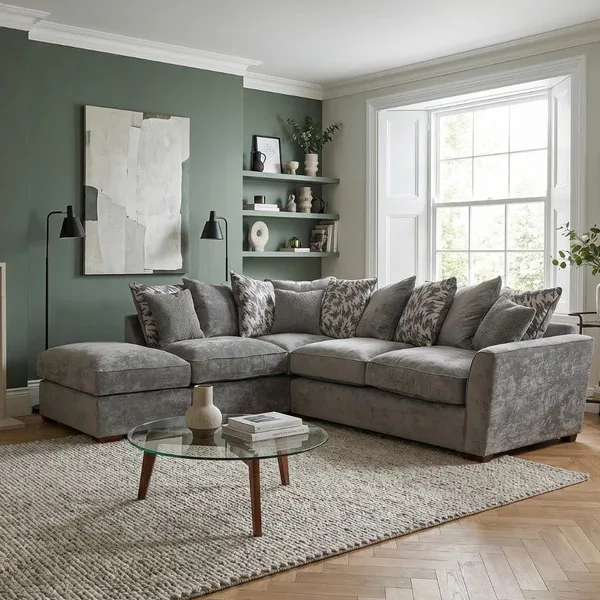
The size of your sofa should be appropriate for the room. A large sofa can provide generous seating but may make a small living room feel cramped.
Measure the available space before shopping and consider the furniture's depth as well as its width. Also measure doorways and access routes to ensure the sofa can be delivered successfully.
If you have a larger living room, a recliner sofa can be combined with additional chairs or another sofa to create a more flexible seating arrangement.
Think About Colour
Leather furniture is available in a variety of colours and finishes. Neutral shades can provide a versatile foundation, while darker colours can create a more dramatic appearance.
Consider the existing colours in your room before making a decision. Flooring, curtains, wall colours and other furniture can all influence how the sofa looks.
You do not need to match everything exactly. Complementary tones can often create a more sophisticated result.
Introducing Natural Wood
Natural wood can add warmth and texture to a home. This makes wooden dining furniture particularly useful when you want to create a relaxed and welcoming dining area.
A light wood dining table can work particularly well in rooms where you want to maintain a bright and open appearance.
Light finishes can complement neutral walls and flooring while providing enough visual character to prevent the room from looking plain.
Pairing Different Materials
Combining leather and wood can create an attractive contrast. Leather has a smooth, refined appearance, while natural wood introduces grain and texture.
These materials can be used in different areas of the home without making the overall interior feel disconnected.
For example, leather seating can become the main feature of the living room while a light wooden dining table provides a natural focal point in the dining area.
Choosing Dining Chairs
The dining chairs should complement the table but also provide sufficient comfort.
Think about the height of the chairs relative to the tabletop. There should be enough legroom beneath the table, and diners should be able to sit comfortably without feeling restricted.
Upholstered chairs can add softness to a room, while wooden chairs can continue the natural theme.
Consider an Extendable Dining Table
If your household regularly entertains, flexibility can be particularly valuable.
An extending dining table can remain compact during everyday meals and provide additional seating capacity when guests arrive.
This can be a practical solution for homes where a permanently large dining table would take up too much floor space.
Keep the Layout Practical
Good furniture design is about more than appearance. Make sure there is sufficient space for people to move around the room.
Dining chairs need to be pulled away from the table without hitting walls or nearby furniture. Reclining sofas need additional clearance when extended.
Think about these movements before finalising the furniture layout.
Add Complementary Accessories
Soft furnishings can help bring different materials together. Cushions, throws and rugs can introduce additional texture and colour.
A rug beneath the dining table can help define the dining area, while another rug can create a comfortable seating zone in the living room.
Lighting can also help connect the different areas of an open-plan home.
Think About Maintenance
Furniture should suit the amount of maintenance you are prepared to undertake.
Leather furniture should be cleaned and cared for according to the manufacturer's recommendations. Wooden tables should also be maintained using appropriate products and methods.
Choosing practical materials and following care instructions can help furniture maintain its appearance over time.
Design for Everyday Comfort
Your home should be comfortable first and stylish second. Furniture that looks attractive but is uncomfortable or impractical will quickly become frustrating.
Consider how each item will be used before making a purchase. If your family spends hours watching television, prioritise seating comfort. If your dining table is also used for work or homework, choose a size that provides sufficient surface space.
Final Thoughts
Combining different furniture materials can create a home that feels layered and individual. A comfortable leather recliner sofa can provide a relaxing centrepiece for the living room, while a light wood dining table can introduce warmth and natural character to the dining area.
By considering room dimensions, comfort, materials and practical requirements, you can create spaces that look good while remaining genuinely enjoyable to use.