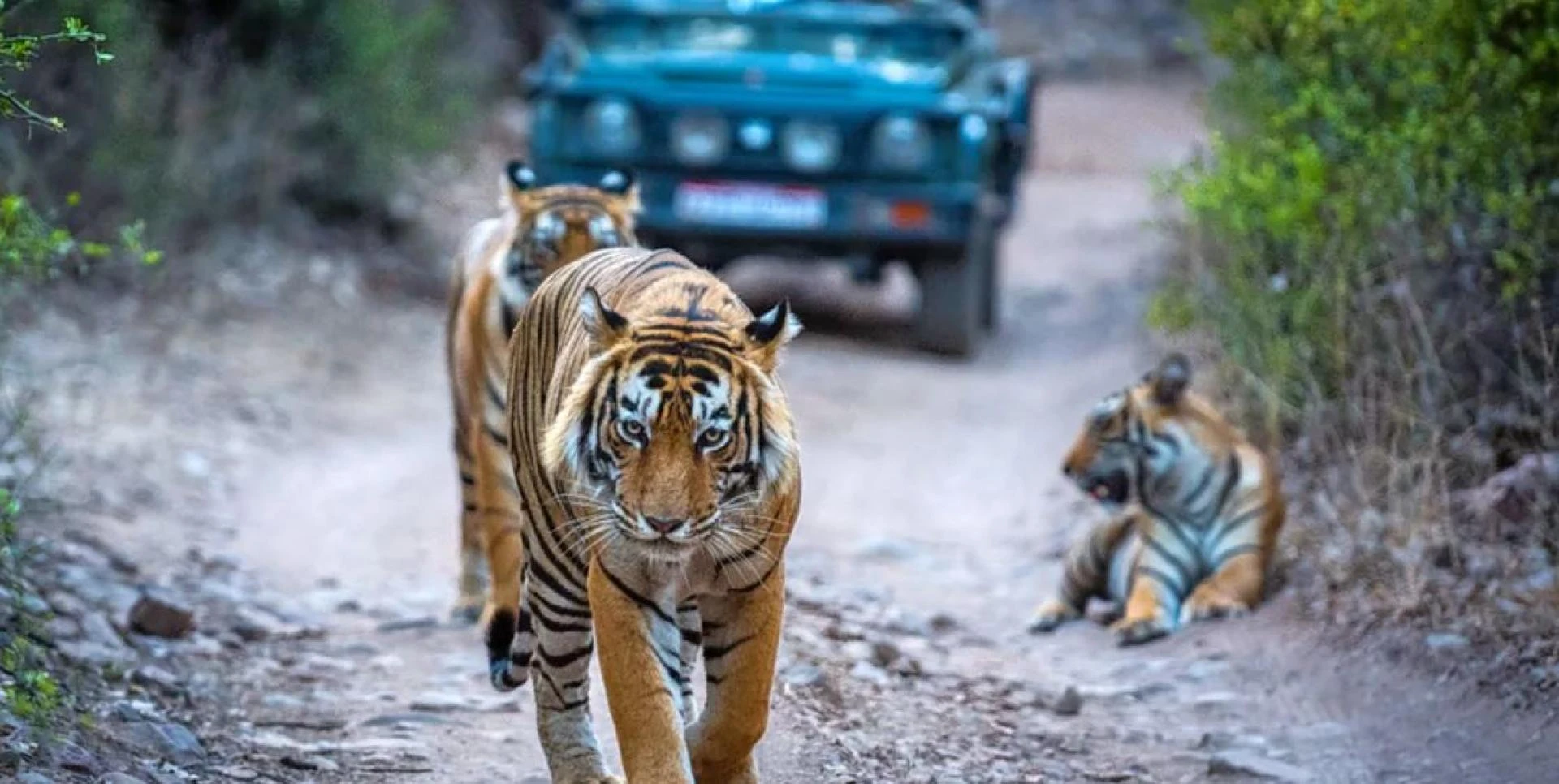
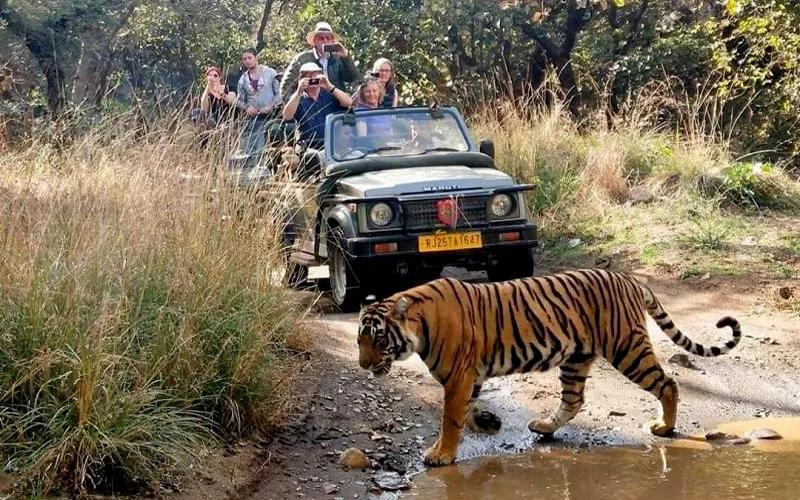
Planning an unforgettable wilderness trip requires understanding how Ranthambore National Park manages its safari tracks. Spread across rugged Aravali and Vindhya hill ranges, this historic tiger reserve is partitioned into ten distinct administrative zones. Deciding between the core zones (Zones 1 to 5) and the buffer zones (Zones 6 to 10) often determines the rhythm and outcomes of your entire wildlife holiday. Having spent years guiding naturalists and hosting wildlife enthusiasts, we know that every zone offers a unique ecosystem, historical terrain, and predator dynamics. When choosing your stay at a premier resort in Ranthambore, aligning your accommodation with your safari goals ensures a seamless adventure into Bengal tiger territory.
Understanding the Core Safari Zones (Zones 1 to 5)
The core zones represent the historical heartland of Ranthambore National Park. These five zones surround the iconic Ranthambore Fort, historic ruins, and three central water bodies: Padam Talao, Rajbagh Lake, and Malik Talao. Because these areas contain permanent water sources and dense Dhok forests, prey species like chital, sambar deer, and wild boar gather here in high concentrations. Consequently, core zones are world-renowned for high predator density and frequent tiger sightings. Zone 1 features dramatic rocky ridges, Singh Dwar entry gate, and rich woodland where big cats frequently navigate the dry gullies. Zone 2 offers diverse terrain with numerous water holes, making it a prime territory for tigers alongside leopards and sloth bears. Zone 3 is arguably the most famous, framed by the majestic Jogi Mahal and Padam Talao lake, offering open landscapes ideal for wildlife photography. Zone 4 features dense forest covers around Lakkad Da, historically holding prominent tigress territories. Zone 5 blends open valleys with the Kundal plateau edge, where tigers and sloth bears are regularly tracked during dry summer months. Booking a Ranthambore jungle safari in the core zones gives visitors high exposure to classic tiger habitats, though tourist demand for these zones remains exceptionally intense year-round.
Exploring the Buffer Safari Zones (Zones 6 to 10)
Buffer zones were developed to protect the core forest ecosystem while distributing safari vehicle density across broader landscape corridors. Far from being secondary options, Zones 6 through 10 have matured into exceptional wildlife habitats with thriving predator territories. Entering through distinct gates near Sawai Madhopur city, these zones feature sweeping grasslands, steep mountain backdrops, and peaceful forest routes. Zone 6 (Kundal) borders Zone 1 and boasts open meadows backed by dramatic hills, where territorial big cats routinely cross between core and buffer boundaries. Zones 7 and 8 (Chidkho and Balas) feature rugged, hilly terrain known for frequent leopard sightings, striped hyenas, and rare bird species. Zones 9 and 10 provide tranquil woodland trails and riverine ecosystems ideal for sloth bears, Indian gazelles, and migratory birdwatching. For travelers who prefer quiet wilderness over congested vehicle trails, buffer zones deliver an authentic, undisturbed jungle experience where unexpected wildlife encounters regularly surprise even seasoned photographers.
Core vs. Buffer: Comparing Key Features
To help you evaluate which zone category fits your travel expectations, consider how core and buffer zones compare across essential safari criteria:
- Predator Density: Core zones (1-5) maintain higher overall tiger concentration due to natural lakes and permanent water sources. Buffer zones (6-10) feature expanding tiger territories alongside higher leopard and sloth bear sighting frequency.
- Crowd Levels & Atmosphere: Core zones experience higher vehicle demand and busier trails around key lakes. Buffer zones offer lower vehicle density, quieter tracks, and peaceful wildlife observation.
- Landscape & Heritage: Core zones showcase ancient fort ruins, palace remnants, and scenic lakes. Buffer zones display dramatic cliff faces, open valley grasslands, and untouched wilderness habitats.
- Vehicle Options: Both 6-seater 4x4 Gypsies and 20-seater open-top mini-busses operate across the reserve. Selecting a canter safari in Ranthambore provides an elevated vantage point for sweeping views across both core lake margins and expansive buffer grasslands.
Strategic Tips for Booking Your Safari
- Book Permits Well in Advance: Forest department safari permits are locked to specific zones upon allocation. Reserving your slots 60 to 90 days ahead significantly improves your chances of securing preferred zones.
- Mix Core and Buffer Routes: If you are planning multiple game drives, schedule a combination of core and buffer shifts. This strategy balances high-probability tiger tracking in core areas with the tranquil, expansive exploration of buffer zones.
- Trust Local Naturalists: Tigers are wild, free-roaming animals that cross zonal boundaries daily based on water, prey, and territorial dynamics. Skilled guides monitor alarm calls, pugmarks, and territory shifts to maximize every game drive.
Final Verdict
Neither core nor buffer zones can be categorized as strictly better than the other; rather, they serve different safari preferences. Core zones deliver iconic historical scenery and high predator density around central lakes, while buffer zones provide peaceful tracks, diverse wildlife species, and intimate natural encounters. At Ranthambore Tiger Resort, our experienced team helps guests navigate permit bookings, zone choices, and safari logistics for a truly extraordinary Rajasthan wilderness tour.