
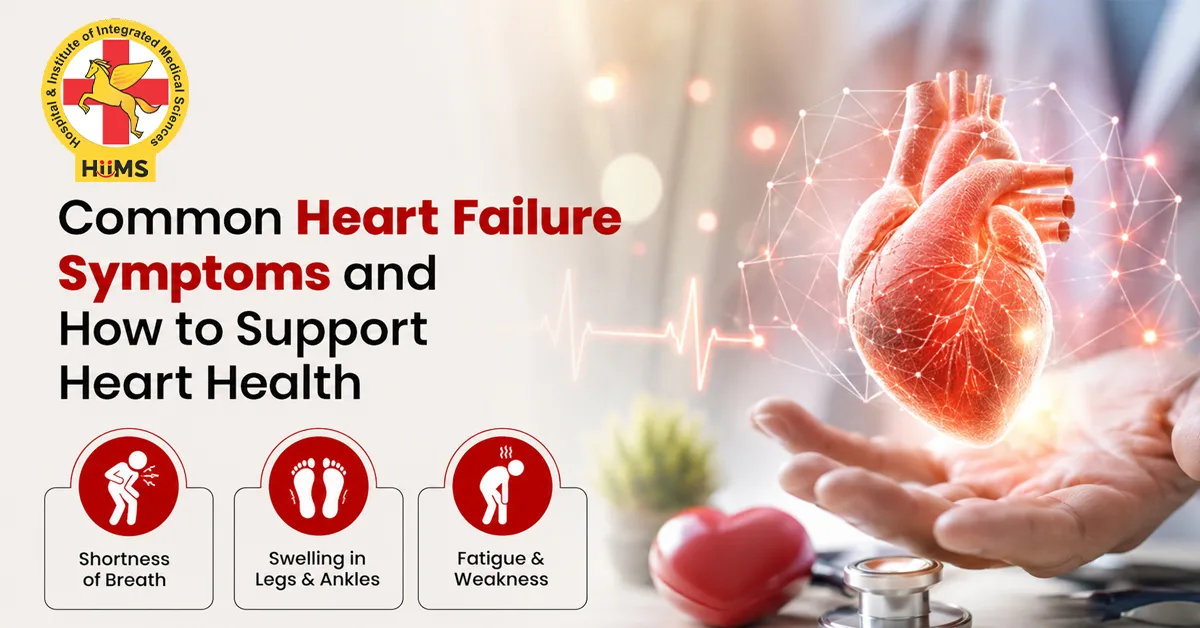
Heart health plays an important role in maintaining overall well-being. The heart continuously pumps blood and oxygen throughout the body, and when its ability to pump effectively becomes reduced, it may lead to a condition known as heart failure. Recognising common heart failure symptoms at an early stage can help people seek timely medical guidance and take appropriate steps to support their heart health.
Common Symptoms of Heart Failure
Heart failure symptoms can vary from person to person and may develop gradually. One of the most common symptoms is shortness of breath, particularly during physical activity or while lying down. Persistent tiredness and weakness may also occur because the body may not receive sufficient blood and oxygen.
Other symptoms can include swelling in the feet, ankles, legs, or abdomen due to fluid retention. Some people may experience a persistent cough, rapid or irregular heartbeat, reduced ability to perform daily activities, dizziness, or changes in appetite. Sudden weight gain can also occur when the body retains excess fluid.
These symptoms should not be ignored, especially when they become persistent or worsen over time. Sudden or severe breathing difficulties, chest discomfort, fainting, or other serious symptoms require immediate medical attention.
Ways to Support Better Heart Health
A healthy lifestyle can contribute to better cardiovascular wellness. A balanced diet containing fresh vegetables, seasonal fruits, whole grains, pulses, nuts, and seeds can provide important nutrients for the body. Reducing excessive salt, highly processed foods, sugary foods, and unhealthy fats may also support heart health.
Regular physical activity is another important part of maintaining cardiovascular fitness. However, people experiencing heart-related symptoms should choose exercise according to their individual health condition and seek professional guidance before beginning strenuous activities.
Managing stress is equally important. Practising yoga, meditation, breathing exercises, maintaining a regular sleep schedule, and spending time in a calm environment may support emotional and physical well-being. Maintaining a healthy body weight and monitoring blood pressure, blood sugar, and cholesterol levels can also be helpful.
Focus on Early Awareness
Understanding common heart failure symptoms can help individuals become more aware of changes in their health. Breathlessness, unusual fatigue, swelling, persistent coughing, and sudden weight changes should be discussed with a qualified healthcare professional.
Along with appropriate medical care, healthy dietary and lifestyle habits can support long-term heart wellness. For more information about heart failure symptoms and ways to support better heart health, readers can explore the detailed guide by HiiMS Patna:
Taking small, consistent steps toward a healthier lifestyle can make heart wellness an important part of everyday life.