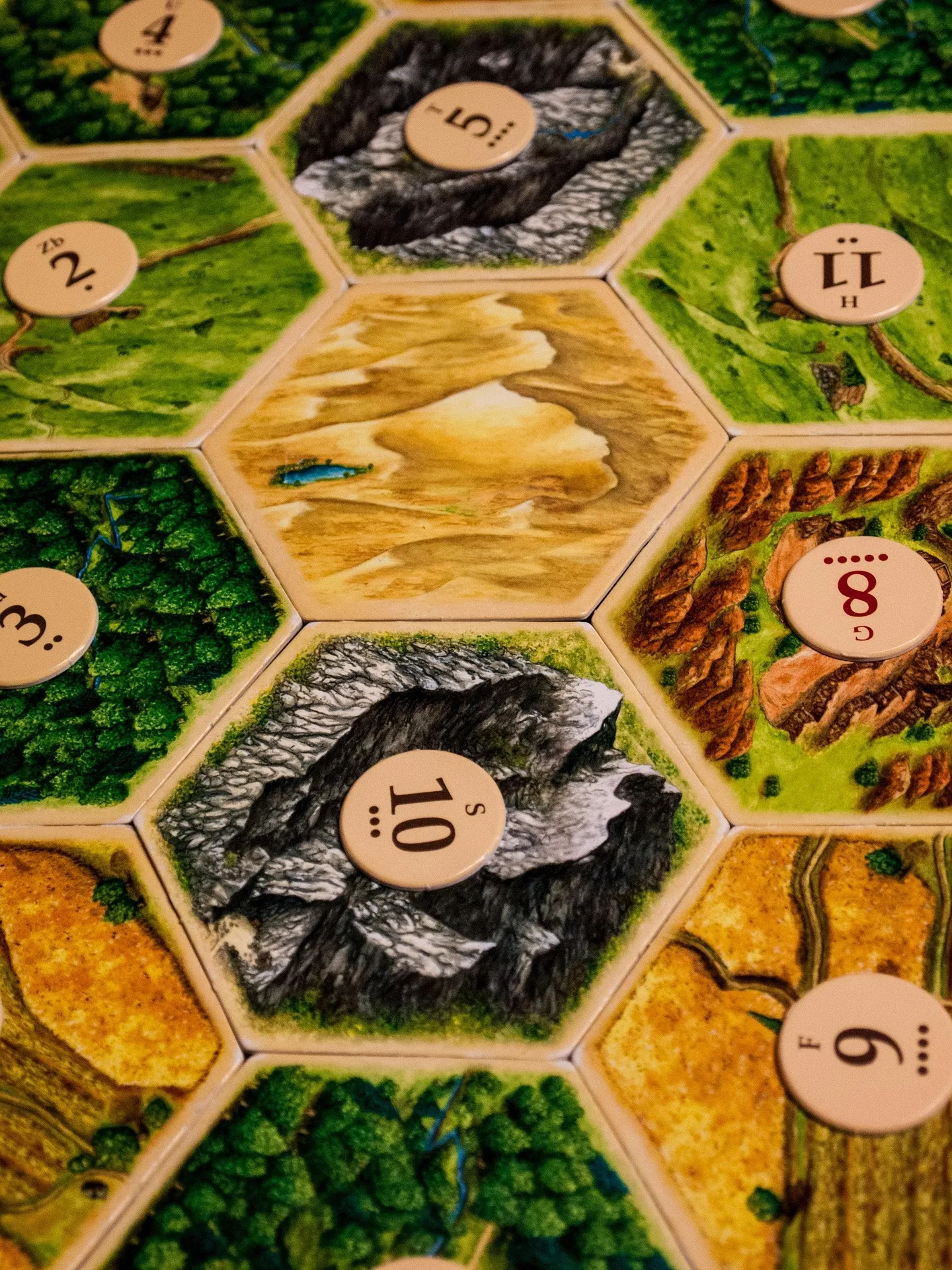
Physical exercise is universally recognized as vital for longevity, yet cognitive workouts are frequently overlooked. The brain, much like a muscle, requires consistent stimulation to maintain its elasticity, memory retention, and problem-solving capabilities. Traditional puzzles like crosswords offer linear challenges, but modern strategy gaming presents dynamic, evolving systems that demand adaptive thinking. Diving into the deep world of board games opens up access to intricate strategic exercises backed by real player experiences. These hobby titles act as functional gymnasiums for the mind, pushing players to calculate risks, manage limited resources, and anticipate human behavior in real-time.
Enhancing Executive Function and Planning
Modern strategy titles often require players to manage multiple variables simultaneously. You aren't just looking at your next move; you are projecting your strategy three turns into the future while keeping a watchful eye on your opponents’ resource pools. This constant mental balancing act strengthens executive functions, which are responsible for goal setting, time management, and cognitive flexibility.
The Art of Risk Assessment and Mitigation
Every turn in a strategic game presents a crossroad of risk and reward. Should you spend your resources on immediate point generation, or invest them in infrastructure that will pay off later? Learning to calculate probability—whether based on the roll of a die or the drawing of a card—teaches players how to handle uncertainty. This safe environment allows individuals to practice long-term planning and resilience when things do not go according to plan.
Cognitive Longevity and Social Mental Workouts
Studies consistently suggest that mentally stimulating social activities contribute to long-term cognitive health. The combination of intense analytical thinking mixed with active social engagement creates a powerful dual-benefit scenario. It challenges the intellect while simultaneously lowering stress through meaningful social connection.
Conclusion
Engaging with deep strategic titles is far more than a simple pastime; it is an active investment in your cognitive health. By regularly challenging your brain with complex rule systems and player dynamics, you sharpen your everyday decision-making skills.
FAQs
- Can playing strategy games improve real-world decision-making? Yes, they train the brain in resource allocation, long-term planning, and analyzing risk versus reward, which translate well to professional environments.
- How long does it take to learn a medium-weight strategy game? Most medium-weight titles take roughly 20 to 30 minutes to learn via rules explanation, with full mastery developing over several playthroughs.
- Do solo modes provide the same cognitive benefits as multiplayer? Solo play heavily tests spatial logic and optimization puzzles, though it lacks the social deduction and psychological predictability elements of multiplayer.