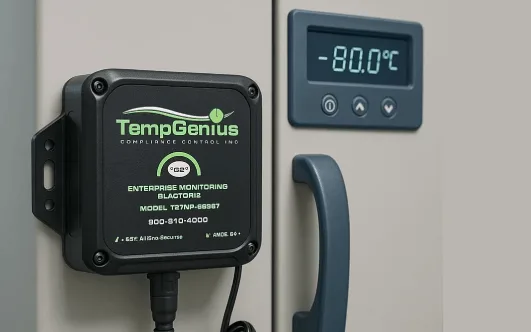
Temperature management plays a vital role in healthcare environments where even minor fluctuations can affect the quality and safety of stored medical products. Hospitals regularly handle vaccines, medications, blood products, laboratory samples, and other temperature-sensitive materials that require controlled storage conditions. Maintaining appropriate temperatures across multiple refrigerators, freezers, storage rooms, and clinical areas can be challenging without dependable monitoring technology. This is where a cloud temperature monitoring system becomes an important operational resource.
Unlike traditional monitoring methods that depend heavily on manual inspections and handwritten temperature logs, cloud-based solutions provide automated monitoring and centralized access to environmental data. Authorized personnel can review temperature readings remotely through connected devices, making it easier to oversee multiple storage locations. Automated alerts can notify designated staff when temperatures move outside established limits, allowing them to investigate potential problems before stored materials are compromised.
TempGenius provides temperature monitoring solutions designed to help organizations improve visibility into their storage environments. Its monitoring technology supports continuous temperature tracking and offers access to recorded information through cloud-based platforms. This approach can reduce the administrative burden associated with routine manual checks while helping facility managers maintain consistent oversight of critical equipment.
A reliable hospital temperature monitoring solution is particularly important because healthcare facilities operate under demanding conditions. Hospitals may have numerous refrigerators, pharmaceutical storage units, blood banks, vaccine refrigerators, and laboratory freezers that require different temperature settings. Monitoring each location individually can consume valuable staff time and increase the possibility of missed readings or delayed responses.
Automated monitoring helps address these challenges by collecting temperature information at regular intervals and providing notifications when unusual conditions are detected. Depending on the system configuration, alerts may be delivered through email, text messages, or other notification channels. This enables responsible personnel to respond promptly, investigate equipment malfunctions, and take appropriate corrective action.
Another important consideration is documentation. Healthcare organizations often need accurate temperature records to demonstrate that sensitive products have been stored under appropriate conditions. Digital monitoring platforms can maintain historical readings and generate reports that support internal reviews, quality assurance procedures, and regulatory documentation requirements. Having accessible records also makes it easier to identify recurring temperature fluctuations and evaluate equipment performance over time.
Cloud-based monitoring can offer additional flexibility for hospitals operating across multiple departments or locations. Facility managers and authorized employees can access relevant information without being physically present beside every monitored unit. This centralized visibility can improve coordination between maintenance teams, pharmacy departments, laboratory personnel, and other healthcare professionals responsible for temperature-sensitive inventory.
Selecting an appropriate monitoring solution involves considering factors such as sensor accuracy, notification options, data accessibility, reporting capabilities, system scalability, and backup arrangements. Organizations should also evaluate their specific storage requirements and applicable healthcare regulations before implementing a monitoring program.