Reliable material handling depends on equipment that can handle daily workloads without unnecessary interruptions. In warehouses, factories, and distribution centers, forklifts play an important role in moving goods safely and efficiently. Choosing the right power source can help businesses maintain consistent performance, manage operating costs, and support smooth warehouse operations. Understanding battery types, charging requirements, and maintenance needs makes it easier to select a suitable option for different working environments.
Understanding Different Battery Types
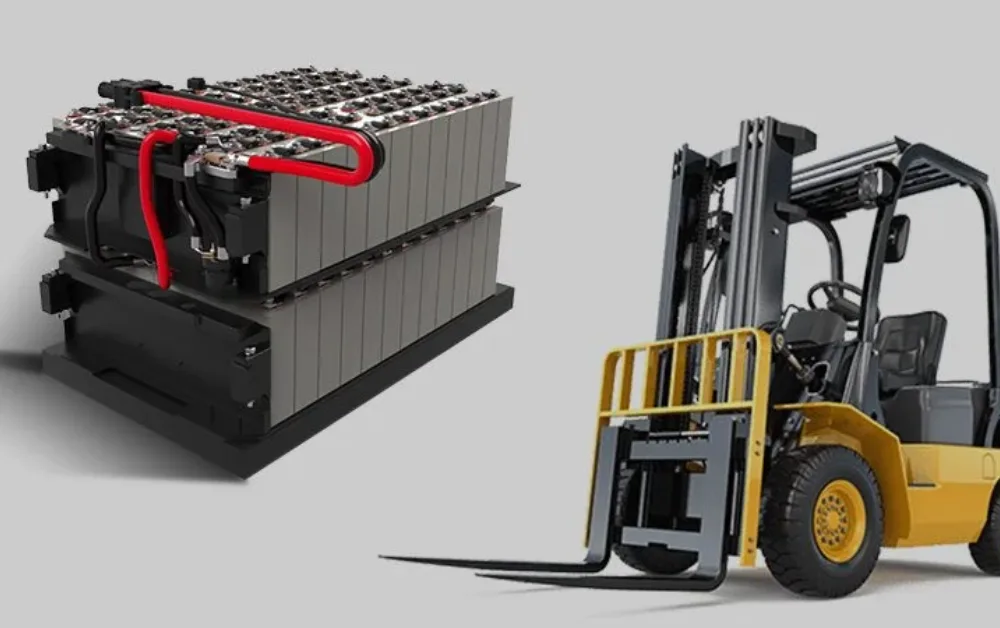
Electric forklifts commonly use lead-acid or lithium-ion batteries. Both options have advantages, and the right choice depends on how frequently the equipment operates and the demands of the workplace. Selecting suitable Forklift Batteries helps businesses maintain productivity while meeting their operational requirements.
Lead-acid batteries are widely used because of their established technology and relatively affordable initial cost. However, they require regular maintenance, proper charging practices, and sufficient cooling time. Businesses also need suitable facilities for charging and handling these batteries.
Lithium-ion batteries offer faster charging, require less routine maintenance, and can support opportunity charging during breaks. They often suit busy facilities where forklifts operate for extended periods. Although the initial investment may be higher, reduced maintenance and improved charging flexibility can provide long-term benefits.
Matching Battery Capacity to Daily Workloads
Battery capacity is an important consideration when selecting a power source for material-handling equipment. A battery should provide enough energy to support the forklift throughout its intended working shift without frequent interruptions.
Businesses should consider factors such as lifting loads, travel distances, operating hours, and the number of shifts completed each day. Heavy-duty applications may require greater capacity than light warehouse tasks.
It is also essential to check the manufacturer's specifications. Voltage, dimensions, connector compatibility, and weight must match the forklift's requirements. Choosing an incompatible battery can affect performance and may create operational or safety concerns.
Considering Charging Time and Operating Costs
Charging requirements can influence productivity, especially in facilities that depend on continuous equipment availability. Traditional lead-acid batteries generally need longer charging and cooling periods, while lithium-ion models can offer greater flexibility for short charging sessions.
Before making a decision, businesses should evaluate their existing charging infrastructure and daily schedules. A suitable charging arrangement can help reduce downtime and keep equipment available when needed.
Initial purchase price should not be the only deciding factor. Electricity consumption, maintenance, replacement frequency, expected service life, and charging equipment costs all contribute to the total cost of ownership. Comparing these expenses over the expected operating period provides a clearer picture of long-term value.

Maintaining Batteries for Consistent Performance
Proper care helps extend battery life and supports reliable forklift operation. Maintenance practices should follow the manufacturer's instructions and account for the battery technology being used.
For lead-acid batteries, routine checks may include inspecting cables, keeping terminals clean, monitoring electrolyte levels where applicable, and following approved watering procedures. Lithium-ion batteries generally need less routine maintenance, but their charging systems and battery management features should be used correctly.
Employees should also watch for unusual heating, visible damage, or charging problems. Damaged batteries should be assessed by qualified personnel rather than used without inspection. Providing appropriate training and following workplace safety procedures can help prevent avoidable issues.
Also Read:- Can Eco-Friendly Forklift Batteries Improve Handling?
Conclusion
Selecting the right battery involves balancing performance, charging time, maintenance, compatibility, and long-term costs. A careful assessment of daily workloads helps businesses make a practical choice that supports reliable material handling and reduces unnecessary downtime.
Emecron can be considered when exploring suitable battery solutions for material-handling needs. Review your equipment requirements, compare available options, and contact Emecron to discuss a suitable solution for your operations.