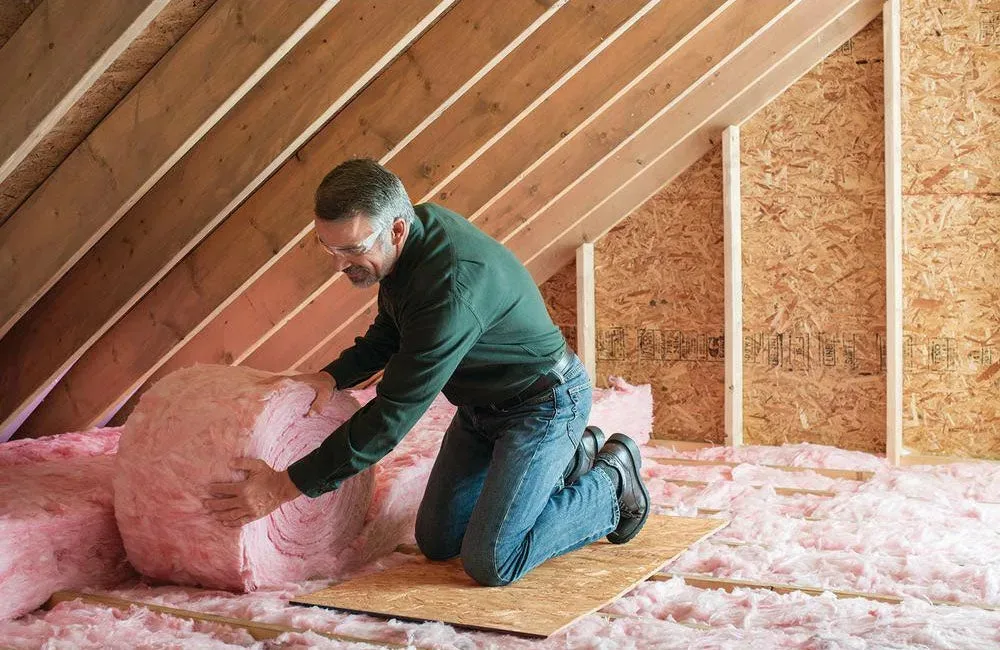
Yes, substandard insulation in your roof space can lead to serious condensation issues, even in dry climates. When hot outdoor air meets cold air leaking from your air conditioning system, water droplets form on your ceiling and rafters. Addressing moisture problems in your Desert Shores, Las Vegas, NV attic is necessary to protect your home from structural issues and high cooling bills. Installing spray foam insulation in Desert Shores, NV helps create an airtight barrier that reduces air leaks, minimizes condensation, and improves your home's overall energy efficiency.
This article provides a complete guide to understanding how desert heat interacts with poor insulation to create hidden moisture issues. Homeowners in the Las Vegas valley often assume dry air prevents water damage, but local construction experts know that indoor climate control changes the rules.
How Bad Insulation Creates Attic Moisture in Desert Shores
Many homeowners wonder how a dry environment can cause water issues. The answer lies in vapor pressure and extreme temperature differences. During the hot summer, desert roofs can easily reach temperatures exceeding 140 degrees Fahrenheit while your home interior is cooled to 75 degrees.
Without a proper thermal barrier, the cool indoor air and hot attic air interact. This temperature clash causes humidity from cooking, showering, and breathing to condense on cold surfaces in your attic. This process shows how moisture problems in your Desert Shores attic begin to develop right under your roof.
- Moisture accumulates on wood beams when warm air meets cool drywall.
- Inadequate airflow prevents water droplets from evaporating naturally.
- Air conditioning ducts sweat when exposed to high attic temperatures.
Bonus Tip: Ensure your attic soffit vents are completely clear of loose insulation so air can flow naturally from the eaves to the ridge vents.
Insulation TypeMoisture Resistance LevelAir Sealing CapabilityBest Use in Desert ClimatesFiberglass BattsLowPoorBudget-friendly but requires vapor barrierCelluloseModerateFairTreated with fire retardants, absorbs some moistureClosed-Cell Spray FoamHighExcellentBlocks vapor transmission and air leaks completelyOpen-Cell Spray FoamModerateGoodAllows wood to breathe while stopping airflow
The Hidden Costs of Attic Moisture in Southern Nevada
Ignoring moisture in your attic can lead to expensive repairs over time. When water vapor settles on wood trusses, it creates a perfect environment for biological growth. This can compromise your indoor air quality as spores travel through your ventilation system.
Investing in moisture damage prevention is far more affordable than replacing rotted structural beams. If water pools on the top side of your ceiling drywall, it will eventually cause saggy ceilings, peeling paint, and dark stains in your living areas.
- Wood rot compromises the strength of your roof trusses.
- Wet insulation loses its thermal resistance, driving up utility bills.
- Mold growth threatens the respiratory health of your family.
Using proper desert climate insulation techniques helps balance your home's humidity. It ensures that any moisture generated inside your home has a way to escape without condensing on cold building elements.
Signs Your Desert Shores Home Needs Better Attic Insulation
Detecting attic issues early can save you thousands of dollars in restoration fees. You do not need to climb into your attic daily to identify signs of moisture problems in your Desert Shores attic. Often, your home will show clear warning signs in your daily living spaces.
Look out for musty odors on the second floor or near attic access hatches. If you notice your air conditioning system running constantly without cooling the home evenly, your attic insulation may be failing to keep the heat out.
- Dark stains or water spots on your upper-floor ceilings.
- A sudden spike in your monthly electricity bills during summer.
- Musty smells that get stronger during the hottest parts of the day.
If you notice these signs, scheduling an attic insulation repair is the next logical step. Professional contractors can assess whether your current material can be saved or if it needs complete removal.
Key Factors to Evaluate Before Upgrading Your Attic Insulation
Before choosing a solution, you must analyze several local environmental factors. Desert climates demand a unique approach to thermal barriers because of the extreme radiant heat. You cannot simply install standard insulation and expect optimal results without addressing air sealing.
First, check your local building codes for recommended R-values, which measure thermal resistance. In Southern Nevada, energy experts recommend an R-value between R-38 and R-60 for optimal home energy efficiency. Additionally, you must evaluate your current ventilation system to ensure air moves freely.
- Determine if your attic needs complete insulation removal or simple top-offs.
- Verify that your attic hatch is insulated and sealed against air leaks.
- Assess if spray foam or traditional fiberglass fits your long-term budget.
Bonus Tip: Use a simple incense stick or smoke pencil around your ceiling light fixtures and attic hatch to check for air leaks moving into your attic space.
Working with experienced insulation contractors ensures that your home receives a thorough inspection. They can identify hidden bypasses where conditioned air escapes into the unconditioned attic space.
Professional Solutions for Attic Vapor Control
Standard DIY insulation jobs often miss the critical step of air sealing. To stop moisture, you must stop air movement. Professional attic insulation services utilize specialized equipment to seal every crack, wire penetration, and pipe clearance before applying new thermal barriers.
Modern spray foam is highly effective for desert homes because it acts as both an insulator and an air barrier. By sealing the roof deck directly, you bring the attic into the conditioned envelope of your home, reducing the risk of condensation.
- Air sealing stops hot, humid air from entering your living spaces.
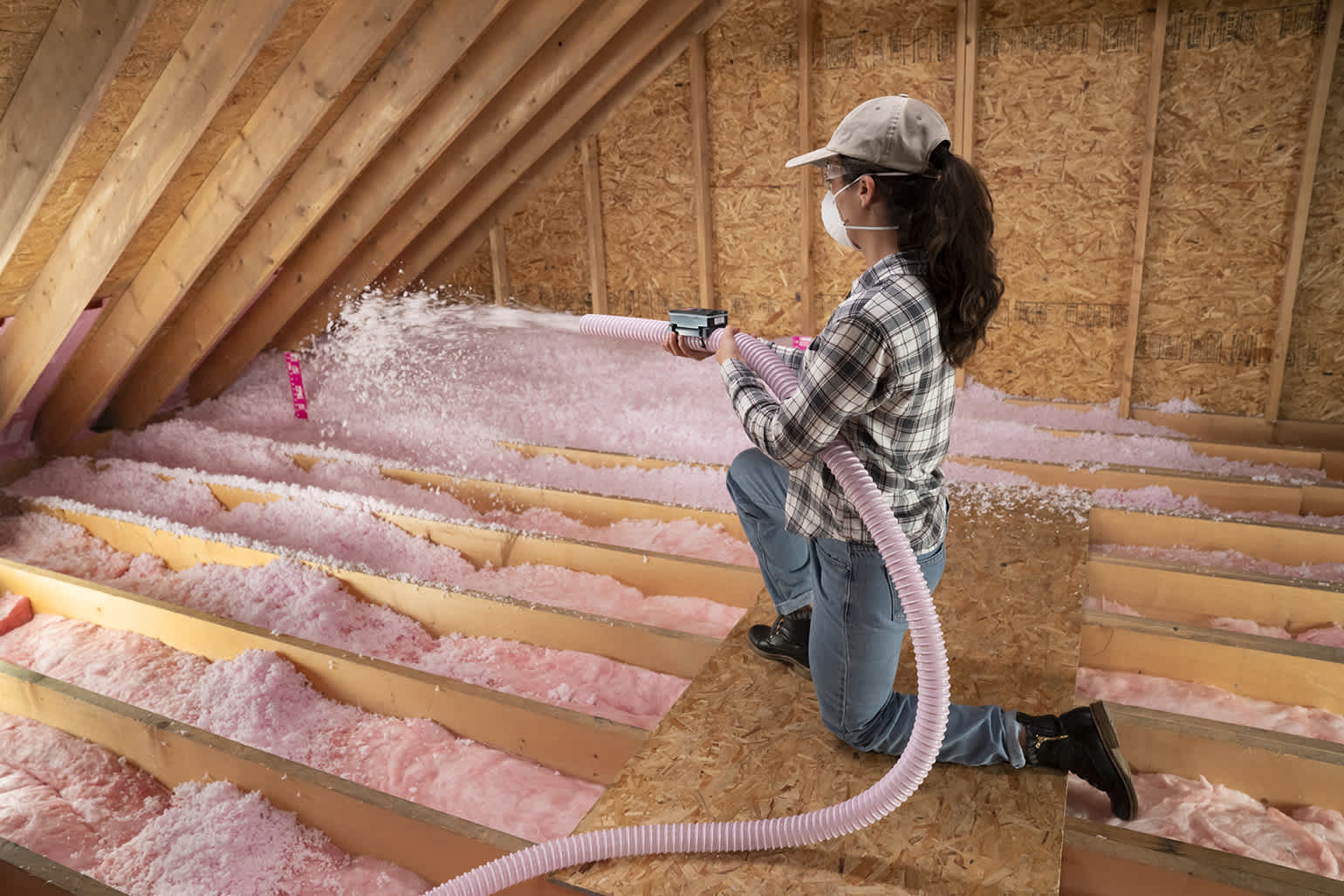
- Blowing-in fresh fiberglass or cellulose restores lost thermal performance.
- Removing damaged, moldy materials prevents contamination of your home.
Steps for Long Term Roof and Attic Protection
Maintaining a healthy attic requires consistent monitoring and proper design. You should inspect your attic space at least twice a year, specifically before the summer heat wave and after the winter rainy season. This proactive approach helps catch minor issues before they escalate.
- Schedule annual HVAC maintenance to prevent duct leaks in the attic.
- Keep roof vents clear of debris, nesting birds, and dust buildup.
- Monitor indoor humidity levels to keep them below 50 percent.
Effective Strategies to Keep Your Desert Shores Attic Dry and Cool
Managing moisture in your attic is a balance of thermal insulation, air sealing, and proper ventilation. While Desert Shores offers beautiful views and a warm climate, it also presents unique challenges for maintaining stable indoor temperatures. Unaddressed moisture problems in your Desert Shores attic will eventually compromise your comfort and your home's structural integrity.
Evaluate your home's current performance by checking for hot spots, musty smells, and rising utility bills. Taking action today to upgrade your insulation will protect your investment, lower your energy expenses, and ensure a healthy living environment for years to come.
Connect with Local Attic Ventilation and Insulation Professionals for a Free Quote
Protecting your home from desert heat and moisture requires specialized expertise. The team at Supreme Spray Foam LV provides tailored solutions to optimize your home's comfort and durability. You can request a free quote and a comprehensive attic inspection by contacting their experts at [email protected] or calling (702) 904-9895.
Common Questions About Desert Attic Insulation and Moisture Control can a desert attic really get moldy?
Yes, mold can grow in desert attics when warm, humid indoor air leaks into a hot attic and condenses on cooler surfaces. This moisture is sufficient for mold spores to colonize wood roof trusses and ceiling drywall.
What is the best R value for Las Vegas attics
The Department of Energy recommends an R-value of R-38 to R-60 for attics in Southern Nevada. This level of thermal resistance helps maintain indoor comfort and lowers your cooling bills.
How do you know if your attic has poor ventilation
Common signs of poor ventilation include extremely hot ceilings on your top floor, musty odors in your upper rooms, and the rapid deterioration of your roof shingles.
Does spray foam insulation block moisture better than fiberglass
Closed-cell spray foam provides an excellent moisture barrier because it seals air leaks and rejects liquid water. Fiberglass batts can allow moist air to pass through, potentially trapping water against wood framing.
How often should you check your attic insulation for damage
Homeowners should inspect their attic space at least twice a year. It is best to check once in the spring before extreme heat starts and once in the late autumn after summer storms have passed.