
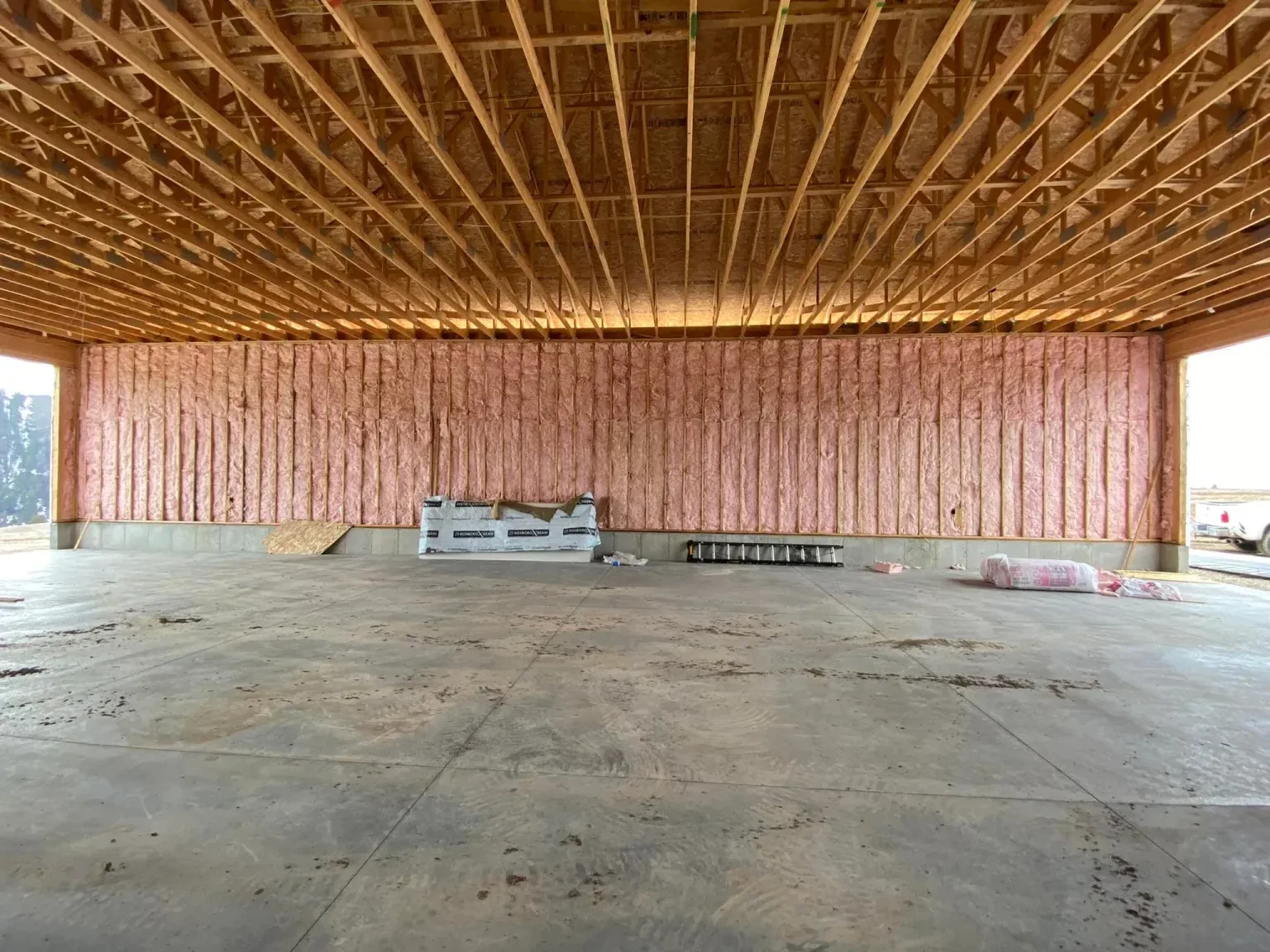
Yes, mold can grow on fiberglass insulation in Driggs, ID, if moisture and organic debris are present. While the glass fibers themselves are inorganic and do not provide food for fungi, the dust, skin cells, and oils that accumulate on the batts do.
When you manage construction projects in high-altitude climates like Teton Valley, temperature swings often lead to condensation. This moisture, paired with trapped particles, creates a perfect environment where the question of whether mold can grow on fiberglass insulation becomes a reality rather than a theory.
This guide examines the mechanics of moisture in insulation and provides builders with practical steps to prevent biological growth. Years of observing mountain climate construction show that improper vapor barriers are the leading cause of failed insulation inspections.
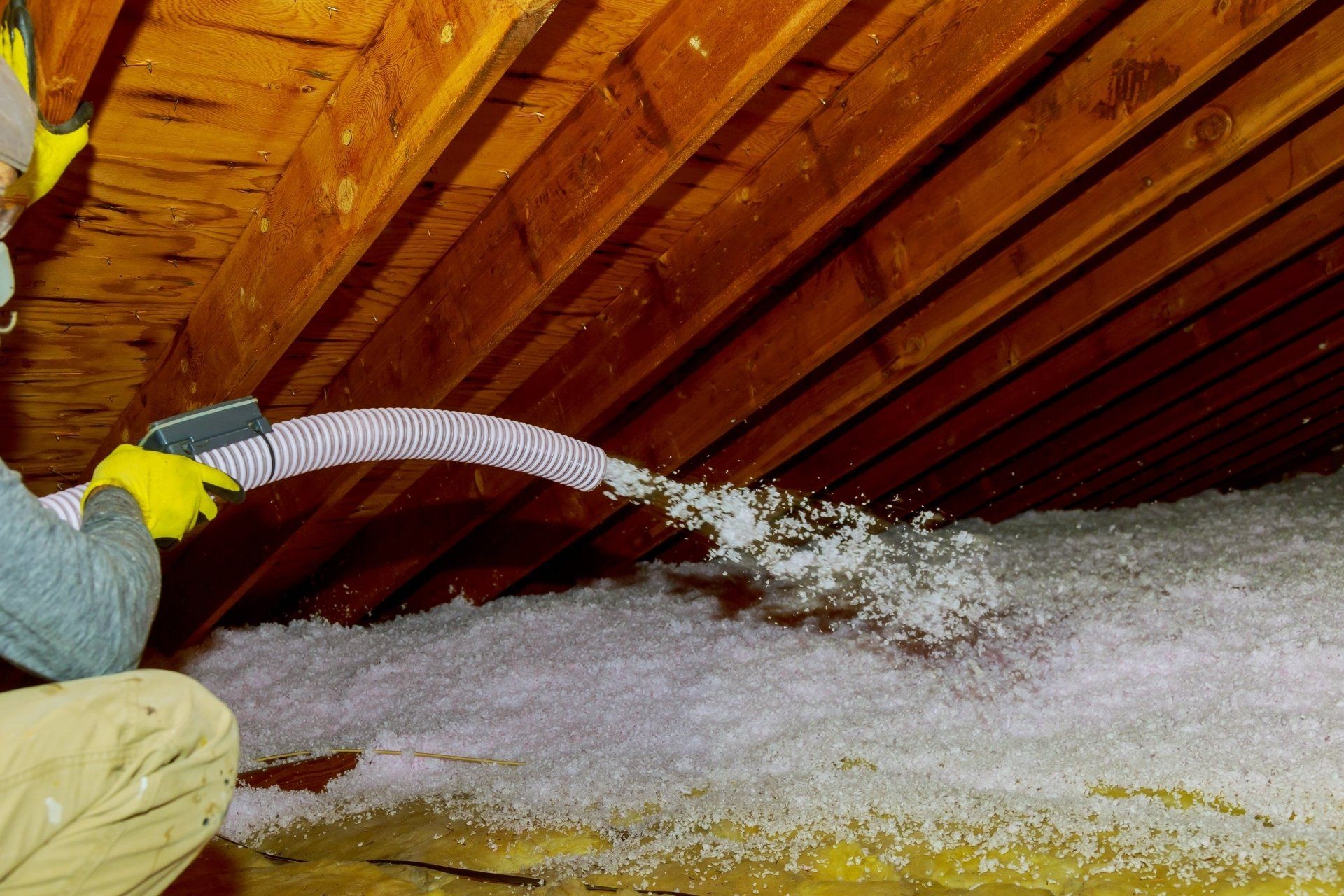
How Moisture Accumulates in Teton Valley Insulation
- In Driggs, the extreme difference between indoor heating and outdoor freezing temperatures creates significant vapor pressure. If a vapor retarder is installed incorrectly, warm, moist air from the living space can reach the cold insulation, causing condensation deep within the wall assembly. These conditions frequently lead to problems with spray foam insulation in Driggs, ID, as moisture becomes trapped within the glass fibers and reduces the material's thermal performance.
- Once the insulation becomes damp, it loses its R-value and begins to act like a filter, trapping airborne organic matter that serves as a food source for mold. Even if fiberglass insulation in Driggs, ID is marketed as mold-resistant, it is not mold-proof when moisture and household dust accumulate over time.
- Winter condensation remains the primary source of moisture in many Idaho buildings. In addition, leaky windows or damaged roof flashings can allow water to enter wall cavities, while poorly ventilated crawlspaces permit ground moisture to rise into floor insulation, creating ideal conditions for mold growth if left unaddressed.
Identifying Different Types of Growth on Batts
Builders often mistake dirt for biological growth. However, black mold on insulation usually appears as splotchy, circular patterns rather than a uniform grey coating of dust. If you see dark streaks near electrical outlets or top plates, it often indicates air bypassing the insulation, bringing both moisture and spores.
This type of contamination is a serious concern for homeowners and can lead to liability issues for contractors. If the growth is fuzzy or has a distinct musty odor, it is likely active. You should also look for "ghosting," which occurs when soot or dust clings to cold spots, though this is often a precursor to actual mold.
Bonus Tip for Builders
Always use a moisture meter on your studs before installing batts. If the wood moisture content is above 19%, you are trapping water behind the poly film, which almost guarantees that fiberglass insulation will grow mold over the first winter.
The Risks of Ignoring Damp Insulation
Leaving mold on fiberglass insulation in place creates long-term structural and health risks. For builders, the biggest risk is the "call-back" after the drywall is finished. Removing contaminated material from a finished wall is significantly more expensive than addressing it during the rough-in stage.
FactorImpact on BuildLong-term RiskThermal PerformanceReduced R-valueHigher energy bills for ownersStructural IntegrityWood rot on studsWeakened wall framingAir QualitySpore distributionHealth complaints from residentsComplianceFailed inspectionsLegal liability for the builder
Can Fiberglass Insulation Get Moldy in New Construction?
It is a common myth that new materials are immune to growth. In reality, fiberglass insulation can get moldy during the construction phase if the building envelope is not dried in quickly. Rain or snow during the framing stage can soak the lower sections of wall batts.
If you notice the pink or yellow material turning dark at the bottom of a wall, it is likely sucking up water through capillary action. This creates a hidden reservoir of moisture that remains trapped once you seal the wall with drywall.
- Keep insulation bundles off the ground on job sites.
- Do not install batts until the roof and house wrap are fully secure.
- Ensure the HVAC system is not running during drywall sanding to prevent dust buildup in the fibers.
Steps to Prevent Mold Growth in Idaho Climates
Preventing growth requires a focus on airtightness. In Driggs, you should pay close attention to rim joists and top plates. Using spray foam to seal these gaps before installing fiberglass prevents the "chimney effect" that pulls moist air through the insulation.
You also need to ensure that the vapor barrier is on the "warm-in-winter" side of the assembly. In cold climates, this means the plastic or paper facing should face the interior of the home. This prevents interior humidity from reaching the cold exterior sheathing.

Factors to Evaluate Before Choosing Insulation Methods
Before you commit to a specific insulation plan for a new build or a renovation, consider these environmental variables. The Driggs climate is unforgiving, and a standard approach used in warmer regions will often fail here.
- Local Humidity Levels: While Idaho is generally dry, the interior humidity in a modern, airtight home can rise quickly from cooking and showering.
- Ventilation Strategy: Ensure your build includes an HRV or ERV system to manage moisture that would otherwise settle in the walls.
- Site Drainage: High water tables in parts of Teton Valley can lead to damp crawlspaces, affecting floor insulation.
- Material Storage: Confirm that your suppliers store their batts in climate-controlled environments to avoid pre-installation contamination.
Bonus Tip for Homeowners
If you are DIYing a basement finish, never put fiberglass directly against a concrete foundation wall. Always use a layer of rigid foam board first to break the thermal bridge and prevent condensation.
Professional Assessment and Remediation Strategies
If you discover that a project has been compromised, simple vacuuming is rarely enough. Because fiberglass is porous, the spores get deeply embedded. Professional remediation often involves removing the affected sections entirely and treating the surrounding wood with an antimicrobial solution.
Building professionals in the Teton area often rely on specialized teams to handle these issues. This ensures that the home remains safe for occupancy and that the builder's reputation remains intact. Expert intervention can also help identify the specific source of the leak or air bypass that caused the problem in the first place.

Safe Practices for Managing Your Property Insulation Needs
When you find yourself dealing with moisture issues or if you want to ensure your new build is protected against the harsh Driggs winters, seeking professional guidance is a proactive strategy. Experts like the team at High Country Solutions understand the unique challenges of the Idaho and Wyoming mountain climates. They can provide detailed assessments of your current insulation state and recommend the best materials for long-term durability.
You can reach out to them for a consultation to discuss your specific building requirements. Whether you are a general contractor needing a reliable partner or a homeowner concerned about air quality, they offer the technical support needed to keep structures dry and efficient. For a free quote or to ask questions about your project, you can contact them via email at [email protected] or call (307) 248-9063. Their local expertise is a great resource for anyone looking to avoid the common pitfalls of mountain construction.
Frequently Asked Questions About Insulation Safety
Can you clean mold off fiberglass insulation?
No, you generally cannot clean it effectively. Because the material is highly porous, the mold grows inside the glass fiber matrix. It is safer and more cost-effective to remove and replace the contaminated sections.
Does pink insulation resist mold better than yellow insulation?
The color is simply a brand dye and does not indicate mold resistance. Both types are made of glass and will support mold growth if they become dirty and wet.
How long does it take for mold to grow on wet insulation?
In the right conditions of heat and stagnant air, mold can begin to colonize organic dust on insulation within 24 to 48 hours of becoming wet.
Will a dehumidifier stop mold from growing in my insulation?
A dehumidifier can help lower the ambient humidity, but it cannot dry out the middle of a packed wall cavity. You must fix the source of the moisture or air leak first.
Is black mold on insulation always toxic?
Not all dark mold is the "toxic" variety, but all mold growth indoors is considered a health hazard and a sign of a moisture failure that needs immediate attention.
Summary of Best Practices for Driggs Builders
To protect your builds in Driggs, ID, you must acknowledge that mold can grow on fiberglass insulation when moisture management is ignored. By ensuring wood is dry before installation, sealing air leaks, and using proper vapor barriers, you can prevent the costly "black mold" issues that plague many mountain homes. Always prioritize the building envelope's integrity to keep your insulation dry and functional for the life of the building. Evaluate your site conditions carefully and do not hesitate to bring in specialists when moisture issues arise.