Losing a tooth can affect much more than the appearance of your smile. A missing tooth can change chewing patterns, create space between neighboring teeth, and gradually affect your bite. If you are considering Dental Implants in Sinhagad Road, understanding how tooth loss can affect your oral health and how an implant may help is an important first step. Replacing a missing tooth can restore function, improve appearance, and help maintain the space created by tooth loss.
What Happens After Losing a Tooth?
A missing tooth leaves an empty space between the remaining teeth. Although the gap may not cause an immediate problem, the surrounding teeth can gradually respond to the change.
The teeth next to the gap may begin to tilt or move toward the empty space. The tooth directly opposite the gap can also move because it no longer has the same contact that existed when the natural tooth was present.
These changes can affect your bite and may make certain areas more difficult to clean. Food particles can become trapped around changing spaces, making daily oral hygiene more challenging.
Tooth loss can also affect the bone beneath the missing tooth. The natural tooth root normally provides stimulation to the jawbone during everyday chewing. Once the tooth and root are lost, the bone in that area can gradually change.
This is why addressing tooth loss is about more than simply filling a visible gap.
What Happens If a Missing Tooth Is Not Replaced?
What happens if a missing tooth is not replaced can vary from one person to another. Some people may experience little noticeable change for a period of time, while others may develop movement of nearby teeth or changes in their bite.
An untreated gap can allow neighboring teeth to shift into the available space. This movement may affect the alignment of the teeth and the way the upper and lower teeth meet.
The missing tooth can also affect chewing efficiency. You may naturally begin using other areas of your mouth more frequently, potentially placing additional pressure on the remaining teeth.
For these reasons, discussing replacement with a dentist can help you understand whether treatment would be beneficial for your individual situation.
Can Dental Implants Prevent Other Teeth From Shifting?
Can dental implants prevent other teeth from shifting? They can help reduce the tendency of surrounding teeth to move into the empty space.
An implant-supported restoration fills the area where the natural tooth was lost. The implant is positioned in the jawbone and provides a foundation for the replacement crown.
Once the restoration is completed, the replacement tooth occupies the gap and restores a functional chewing surface. This can help maintain the space and reduce the opportunity for neighboring teeth to drift into it.
However, an implant does not guarantee that natural tooth movement will never occur. Teeth can change position due to aging, gum problems, bite forces, or additional tooth loss.
Maintaining good oral hygiene and attending regular dental appointments therefore remains important after treatment.
Can Dental Implants Replace a Single Missing Tooth?
Can dental implants replace a single missing tooth? Yes. When a patient has suitable bone and healthy oral tissues, an implant-supported crown can be used to replace one missing tooth.
This treatment is commonly known as a single tooth implant. It is designed to replace the missing tooth without necessarily using neighboring teeth as the primary support.
For example, if one tooth is missing between two healthy teeth, an implant can be placed in the missing-tooth area and later restored with a crown.
The suitability of treatment depends on individual factors. Your dentist may evaluate the jawbone, gums, neighboring teeth, bite, and overall oral health before recommending an implant.
How Does a Dental Implant Replace a Missing Tooth?
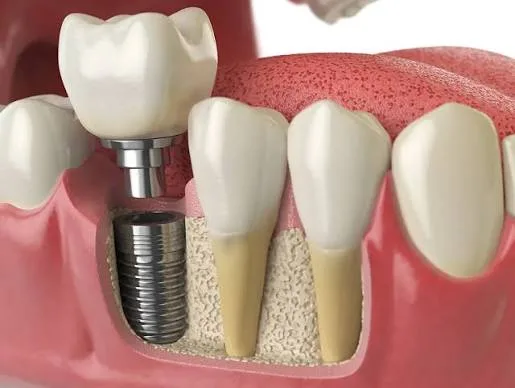
How does a dental implant replace a missing tooth? The treatment generally involves three main components that work together to restore the missing tooth.
Implant
The implant is a small post placed into the jawbone. It acts as an artificial root and provides support for the replacement.
Abutment
The abutment connects the implant to the crown. It forms the link between the part positioned within the jawbone and the visible replacement tooth.
Crown
The crown is the visible part of the restoration. It is designed to resemble a natural tooth and can be customized to suit the surrounding teeth.
After the treatment process is completed, the implant-supported crown can restore the appearance and function of the missing tooth.
The exact procedure and treatment timeline depend on the patient's individual dental condition.
What Are the Dental Implant Benefits?
There are several Dental implant benefits that make this treatment a popular choice for replacing missing teeth.
Restores Chewing Function
A missing tooth can make chewing less comfortable. Replacing the tooth can help restore a functional chewing surface and allow you to use the area more normally.
Helps Maintain the Gap
An implant-supported crown occupies the empty space created by tooth loss, helping reduce the opportunity for nearby teeth to move into that area.
Provides a Stable Foundation
Because the implant is placed within the jawbone, it can provide a stable foundation for the replacement crown.
Supports Smile Appearance
A carefully planned crown can be designed to blend with the surrounding teeth, providing a Natural-looking tooth replacement.
Independently Replaces the Missing Tooth
An implant can provide individual support for the replacement tooth, meaning neighboring healthy teeth do not necessarily have to be prepared to support it.
Single Tooth Implant in Sinhgad Road: What Should You Know?
If you are researching a Single Tooth Implant in Sinhgad Road, it is important to understand that implant treatment is not exactly the same for every patient.
Before treatment, the dentist needs to assess the condition of the area where the tooth was lost. The amount of available bone, gum health, position of surrounding teeth, and bite can all influence treatment planning.
In some situations, additional dental treatment may be recommended before implant placement. Addressing gum problems or evaluating the available bone may be necessary before moving forward.
A personalized assessment helps ensure that the proposed treatment is appropriate for your particular dental needs.
Comparing Different Tooth Replacement Options
Patients with a missing tooth may have several Tooth replacement options available.
A dental bridge is one alternative. It uses supporting teeth adjacent to the gap to hold a replacement tooth in position.
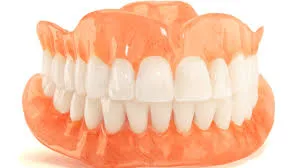
A removable partial denture is another option and can be used to replace one or several missing teeth. Unlike a fixed restoration, it can be removed for cleaning.
An implant-supported crown uses an implant placed in the jawbone as the foundation for the replacement. This makes it different from solutions that rely primarily on neighboring teeth or removable support.
The most appropriate option depends on your oral health, bone condition, gum health, neighboring teeth, bite, preferences, and treatment goals.
How Can You Care for an Implant After Treatment?
Proper care remains important after implant treatment. An implant-supported crown should be cleaned regularly, just like your natural teeth.
Brushing twice a day and cleaning between your teeth can help maintain healthy gums around the restoration. Regular dental visits allow your dentist to monitor the implant, crown, surrounding gums, and neighboring teeth.
You should also contact your dentist if you notice persistent discomfort, swelling, bleeding, difficulty chewing, or movement around the restoration.
Good daily care and professional follow-up can help maintain the health and function of your replacement tooth.
Why Choose SmyleXL Dental Clinic for Dental Implant Treatment?
Choosing a dental clinic for implant treatment involves more than looking at the procedure itself. Proper evaluation, treatment planning, communication, and follow-up care are important parts of the overall experience.
The dental team takes an individualized approach to treatment. The patient's oral condition and concerns are considered before a suitable treatment plan is recommended.
Patients looking for an Experienced Dentist in Sinhagad can discuss their dental concerns with the team and learn about the available treatment approaches.
The focus is on providing functional, comfortable, and aesthetically appropriate dental care while considering each patient's specific requirements.
Restore Your Smile With SmyleXL Dental Clinic
A missing tooth can gradually influence the surrounding teeth, chewing function, and appearance of your smile. Replacing it can help restore the missing space and provide a functional solution designed around your individual needs.
Pune's Leading Dental Clinic – SmyleXL is committed to providing personalized dental care and helping patients make informed decisions about their oral health.
If you have a missing tooth, schedule a consultation with SmyleXL Dental Clinic to discuss your concerns, understand the available treatment choices, and determine the approach that may be suitable for your smile.
Source : Smylexl.com