A leaking shower or balcony can cause serious problems if left untreated. Water can penetrate tiled surfaces, damage walls and ceilings, encourage mould growth, and affect the structure of a building. Many property owners worry that fixing these leaks will require removing all the existing tiles.
But is tile removal always necessary?
No. In many situations, a leaking shower or balcony can be repaired without removing tiles. Specialised waterproofing systems, grout repairs, and surface sealing treatments may provide an effective solution, depending on the condition of the existing waterproofing and the source of the leak.
Let's explore how these repairs work and when they are suitable.
1. Can a Leaking Shower Be Repaired Without Removing Tiles?
Yes, some shower leaks can be repaired without removing existing tiles. The most suitable method depends on whether the water is escaping through damaged grout, failed silicone joints, drainage connections, or a damaged waterproofing membrane.
Common repair options include:
- Replacing cracked or deteriorated grout.
- Applying suitable waterproofing treatments.
- Resealing shower corners and joints.
- Repairing gaps around shower screens.
- Addressing leaking drainage connections.
These solutions can help prevent further water penetration when the underlying structure and waterproofing conditions are suitable.
However, if the waterproofing membrane beneath the tiles has completely failed, surface sealing alone may not resolve the problem permanently.
2. Can a Leaking Balcony Be Repaired Without Removing Tiles?
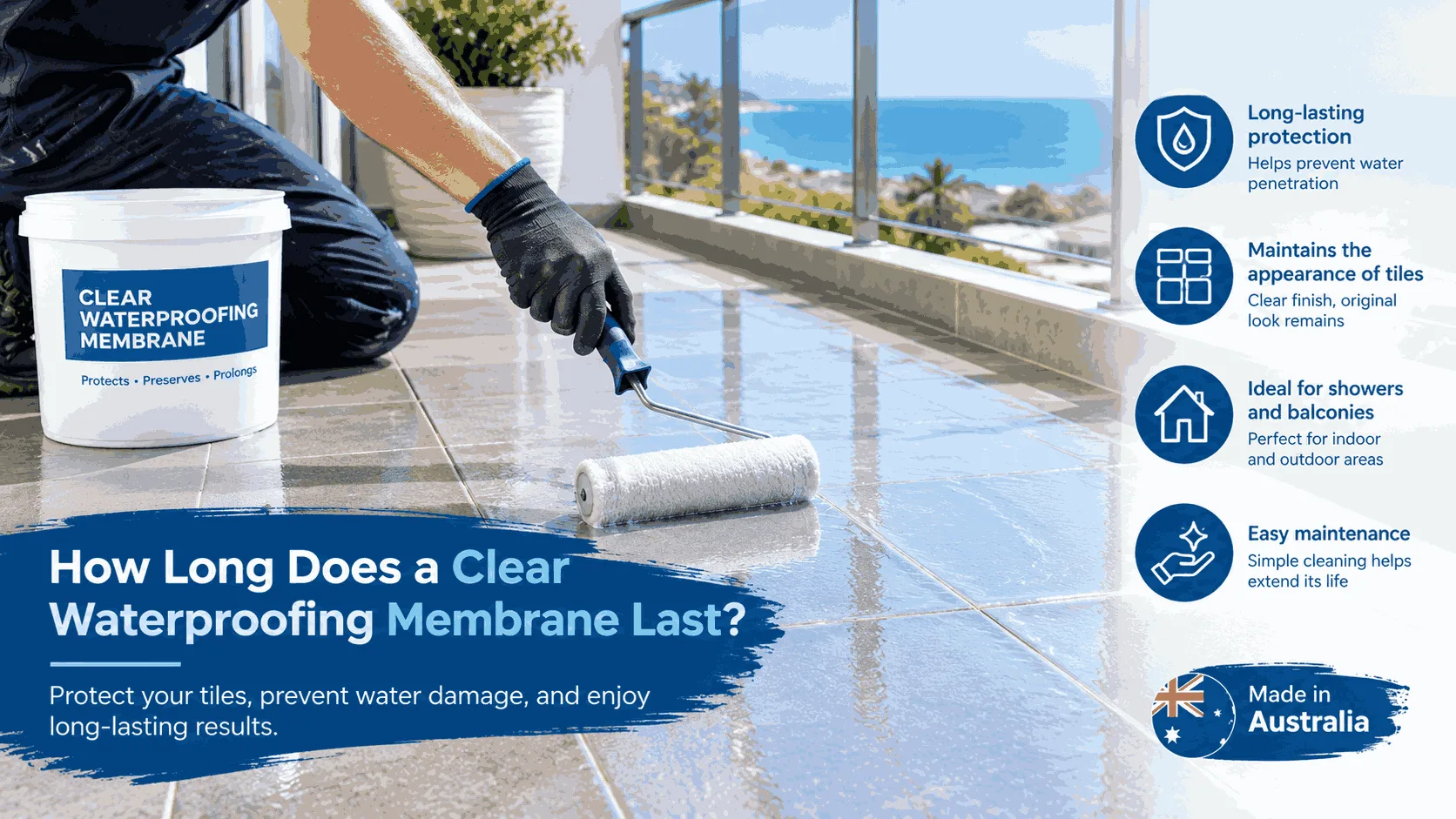
Balcony leaks can sometimes be repaired without removing the existing tiled surface. Specialised waterproofing systems may be suitable for application over existing tiles after appropriate inspection and preparation.
The repair process may involve:
- Inspecting the balcony for visible cracks and damage.
- Checking grout lines and perimeter joints.
- Identifying drainage problems.
- Preparing the existing tiled surface.
- Applying a compatible waterproofing system.
- Sealing vulnerable areas and connections.
The selected system must be appropriate for the balcony's exposure to weather, water movement, and surface conditions.
3. What Are the Benefits of Waterproofing Without Removing Tiles?
When the existing tiles are suitable, no-tile-removal waterproofing can offer several advantages.
Less Disruption
Keeping existing tiles in place can reduce construction noise, dust, and disruption to your home.
Cost Savings
Avoiding tile removal and replacement may reduce labour, disposal, and material costs.
Faster Repair Process
Some surface waterproofing methods require less work than completely removing and replacing an existing tiled surface.
Preserves Existing Tiles
If your tiles are still attractive and in good condition, you may be able to retain their original appearance.
Less Construction Waste
Keeping suitable tiles in place can reduce unnecessary building waste.
4. When Is Tile Removal Necessary?
Although repairing leaks without removing tiles is possible, it is not always the right solution.
Tile removal may be required when:
- The waterproofing membrane has significantly failed.
- Tiles are loose, cracked, or damaged.
- Water has penetrated the substrate.
- There is extensive moisture damage beneath the surface.
- The existing surface is unsuitable for an overlay waterproofing system.
- Drainage or structural repairs require access beneath the tiles.
In these situations, removing the affected tiles and installing a new waterproofing membrane may be necessary to achieve a reliable result.
5. How Do Professionals Identify the Source of a Leak?
Finding the actual source of a leak is one of the most important steps in shower and balcony waterproofing.
Water can travel beneath tiles before appearing in another location, making the visible damp area different from the original leak source.
A professional inspection may include:
- Checking grout lines and silicone joints.
- Inspecting shower screens and drainage outlets.
- Examining balcony edges and wall connections.
- Looking for cracks and damaged waterproofing.
- Assessing moisture levels and affected building materials.
This assessment helps determine whether a localised repair or a more extensive waterproofing solution is needed.
6. How Long Does Waterproofing Without Tile Removal Take?
The timeframe depends on the size of the affected area, the repair method, and the waterproofing products used.
Minor grout and sealant repairs may take a few hours, while more extensive surface waterproofing projects can take one or several days.
Preparation, application, drying, and curing times must all be considered. Following the manufacturer's instructions is important to ensure the waterproofing system performs correctly.
7. How Can You Prevent Future Shower and Balcony Leaks?
Regular maintenance can help protect tiled surfaces and reduce the risk of water damage.
Consider these simple preventative steps:
- Inspect grout and silicone joints regularly.
- Repair visible cracks and gaps promptly.
- Keep shower and balcony drains clear.
- Check for damp patches and water stains.
- Maintain suitable waterproofing protection.
- Arrange professional inspections when leaks appear.
Taking action early can help prevent small waterproofing problems from becoming expensive repairs.
Conclusion
A leaking shower or balcony does not always require removing existing tiles. In many cases, suitable waterproofing treatments, grout repairs, and joint sealing can address the problem while preserving the tiled surface.
However, the right repair depends on the source of the leak and the condition of the existing waterproofing membrane. If the membrane has failed or significant damage exists beneath the tiles, more extensive repairs may be necessary.
For the best results, arrange a professional assessment before choosing a waterproofing method. Identifying the underlying problem is the first step towards protecting your property from recurring leaks and water damage.
Frequently Asked Questions
1. Can I waterproof my shower over existing tiles?
Yes, certain waterproofing systems can be applied over existing tiles when the surface is suitable and properly prepared.
2. Can a balcony leak be fixed without replacing tiles?
Yes, some balcony leaks can be repaired using specialised surface waterproofing systems, depending on the condition of the existing surface.
3. Is waterproofing over tiles a permanent solution?
It can provide long-lasting protection when the correct system is selected and professionally installed. Results depend on the underlying conditions and product specifications.
4. How much does shower leak repair cost?
Costs depend on the leak source, affected area, materials, and repair method. A professional inspection can help establish an accurate estimate.
5. When should I call a waterproofing specialist?
Contact a specialist when you notice persistent dampness, water stains, mould, cracked grout, or water leaking into nearby rooms.