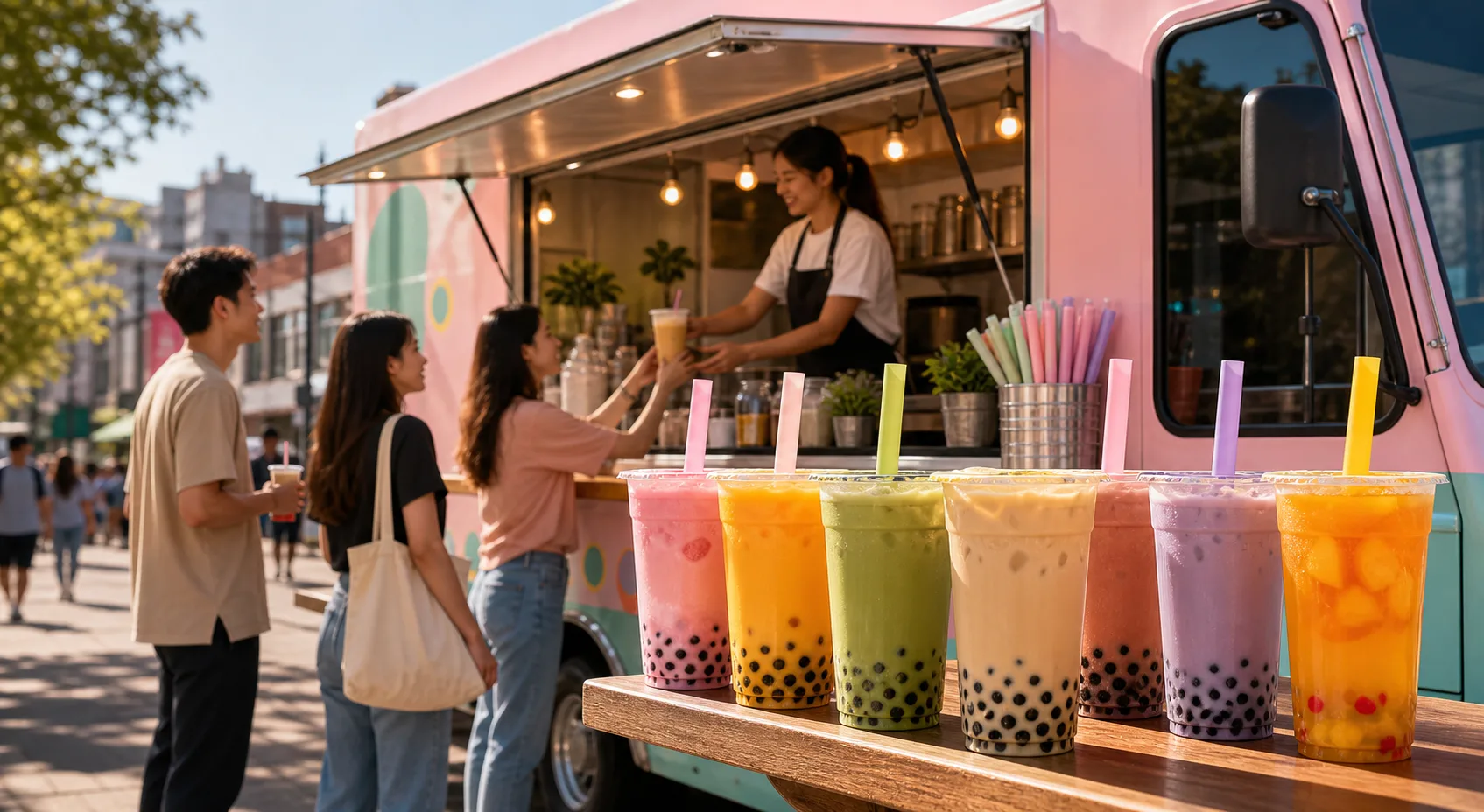
A Bubble Tea Food Truck can be much more than a kitchen on wheels. At its best, it is a colorful specialty drink concept that turns a simple craving into a fast, memorable customer experience. Mobile food businesses win because they meet people where they already are: outside offices, near campuses, at festivals, in neighborhoods, and beside weekend markets. The lower footprint also gives owners room to test menus, locations, and audiences before committing to a permanent storefront.
The real advantage comes from focus. A strong Bubble Tea Food Truck does not try to please everyone. It chooses a clear promise, repeats it confidently, and builds every decision around that promise. That includes the menu, the ordering flow, the wrap design, the equipment package, the service window, and the way staff greet customers. When the concept feels simple from the outside, operations usually become faster on the inside.
Before buying a truck or trailer, define the market you want to serve. Look at custom toppings, social-media appeal, and repeat customers. Each setting creates a different rhythm. Lunch service rewards speed and compact menus. Events reward presentation and easy batch production. Private catering rewards reliability, clean setup, and flexible packages. Route-based service rewards consistency and a schedule people can remember. Your best model is the one that matches your food, your staffing, and your local demand.
Menu design is where many new operators either create momentum or create stress. Keep the first menu short enough to execute in a small space. Every item should share ingredients, prep steps, or packaging whenever possible. A lean menu reduces waste, lowers training time, and helps the team move through rush periods without confusion. You can still be creative; the key is to make creativity repeatable.
Branding matters because customers often decide in seconds. Your Bubble Tea Food Truck should communicate what it sells before anyone reads the full menu. Use clear colors, readable lettering, appetizing photography or illustration, and a name that works on signage, social media, receipts, and event listings. A memorable exterior is not just decoration. It is a moving billboard, a trust signal, and a way to stand out when several vendors are parked in one place.
The build itself should begin with workflow. Picture the busiest ten minutes of service and map what happens from order to handoff. Where does cold storage sit? Where do cooked items finish? Where are drinks, sauces, napkins, and packaging stored? Can two people pass each other safely? Is the payment area protected from food prep? Good layout choices make the business feel calmer, cleaner, and more profitable every day.
Compliance is another early priority. Requirements vary by city, county, and state, so owners should confirm health department rules, commissary needs, fire suppression, propane storage, electrical load, wastewater capacity, and vending permits before finalizing equipment. Treat these rules as design inputs, not paperwork to solve later. A truck that passes inspection smoothly can start earning sooner and avoids expensive retrofits.
Location strategy deserves the same attention as recipes. Track foot traffic, nearby competition, parking rules, event calendars, and weather patterns. Test different spots, but record what happens. Note sales by hour, average ticket size, best-selling items, customer comments, and prep leftovers. Over time, these notes reveal where your Bubble Tea Food Truck belongs and which appearances are not worth the travel, fees, or labor.
Marketing should feel active and local. Post weekly schedules, show real food being prepared, introduce staff, share limited specials, and encourage customers to tag the truck when they visit. Partnerships with breweries, office parks, gyms, schools, wedding planners, and community events can create steady demand. The strongest mobile brands make followers feel like they are chasing something worth finding.
Profitability comes from disciplined details. Price for food cost, labor, fuel, maintenance, packaging, platform fees, permits, event commissions, and downtime. Build prep lists that prevent overproduction. Offer combos that raise average tickets without slowing service. Keep a maintenance calendar for tires, generators, refrigeration, fryers, espresso systems, water pumps, or ovens depending on the concept. Small misses can erase the margin from a busy day.
Customer experience is the final differentiator. People remember whether the line moved, whether the food looked generous, whether the staff seemed organized, and whether the brand felt worth recommending. A great Bubble Tea Food Truck turns a temporary parking spot into a destination. When the concept is focused, the build supports the workflow, and the service feels consistent, the business can grow from a single mobile unit into catering, events, packaged products, or a larger fleet.
For entrepreneurs ready to build a food truck, the best starting point is not the vehicle itself. Start with the promise you want customers to remember, then design the menu, equipment, brand, and service model around it. That approach keeps the business practical while leaving room for personality. In a crowded food scene, a clear and well-run Bubble Tea Food Truck can still feel fresh, exciting, and built for the street.
One more practical step is to plan the first ninety days before opening. Book a mix of paid events, soft-launch stops, and controlled tastings so the Bubble Tea Food Truck team can learn without being overwhelmed. Ask customers which item they would order again, which photo made them stop, and whether the price felt clear. Those early conversations often reveal the small changes that make a mobile brand easier to sell.