The transportation of employees in large businesses is a continuous challenge, particularly as companies strive to achieve goals of efficiency, sustainability, and enhanced employee experiences. Complex routing, real-time tracking, and uninterrupted communication requirements often prove an obstacle to contemporary systems. It is here that cloud-based workplace shuttle management software has provided a significant offering to fill these voids through smart and centralized tools. So, what are those areas where big business can acquire a potentially serious advantage by using cloud-based workplace shuttle management?
The Advantages of the Shuttle Systems of the Cloud
Cloud-powered systems offer wide-ranging benefits. These tools have revolutionized logistics management, offering features such as automation, data insights, flexibility, and scalability.
Enhanced Real-Time Visibility and Control
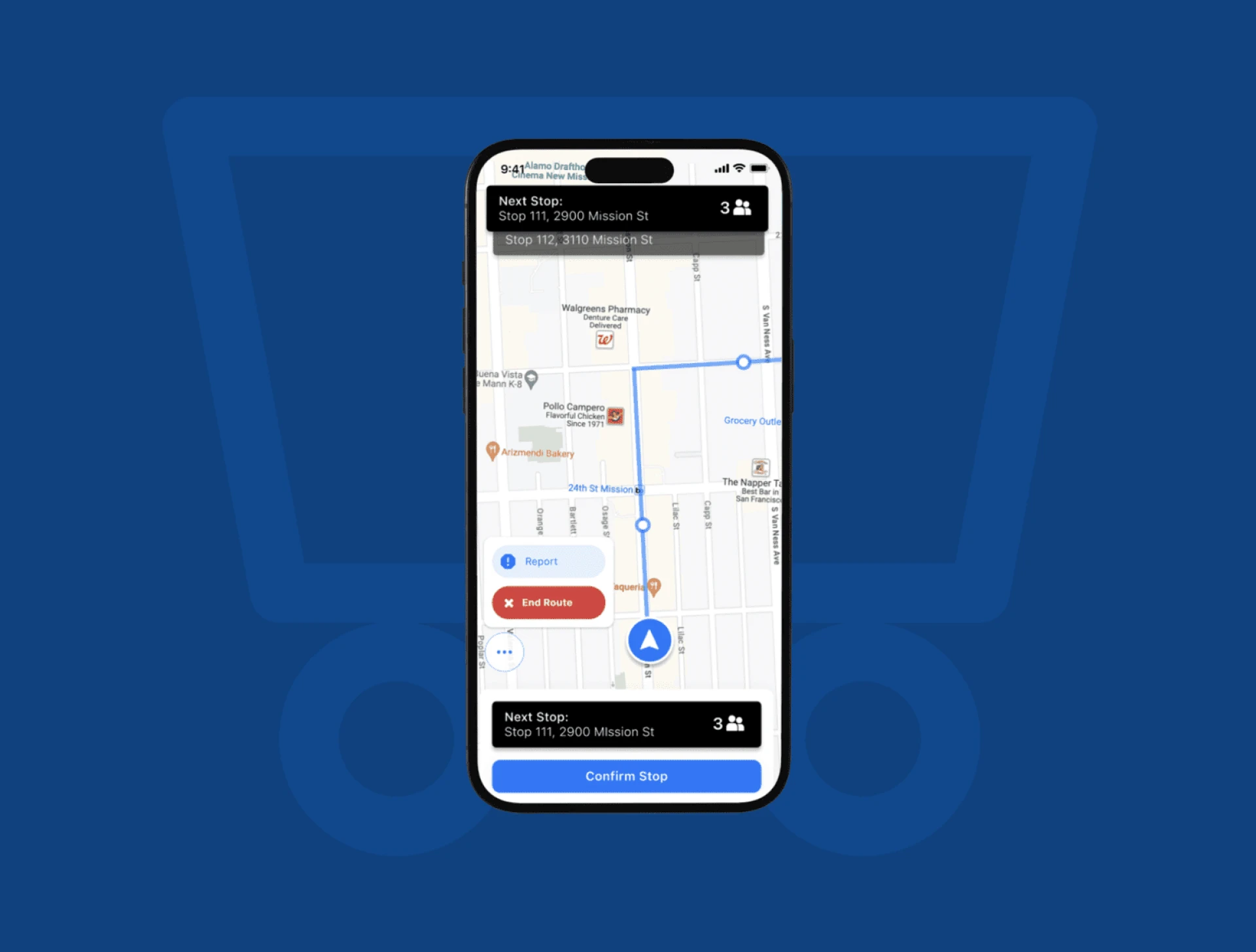
A central dashboard facilitates organizations to gain unparalleled visibility of the fleet operations as a whole. Transport managers can monitor shuttle movements in real-time, dynamically optimize routes, and receive advance notification of delays or scheduled outages. The degree of control at this level will limit miscommunication and ensure that employees are always aware of the shuttle schedules.
The companies can also make rapid decisions, powered by information with real-time updates. This has the effect of reducing cases in which businesses get service interruptions, and is coupled with a high level of employee satisfaction. These are some of the major areas of improvement in the practice of shuttle management in the workplace today.
Cost Optimization Through Smarter Resource Allocation
One of the greatest issues of large-scale transportation is the waste of resources. The analytics functionalities available on cloud tools also provide visibility into alternative, underutilized routes, overmanned shifts, or inefficient fuel consumption. With this data, companies will be able to streamline expenses by adjusting the number of vehicles in the fleet, driver placement, or scheduling.
Fuel savings and efficient driver working time also help reduce operational costs. The businesses enjoy reduced carbon footprints while having well-established shuttle management systems in the workplace.
Scalability That Matches Enterprise Growth
As organizations grow, their transportation needs also increase in size, leading to more complex transportation requirements. Cloud-based software adapts to growing requirements with minimal disruptions. The system will not require a complete makeover as enterprises can easily introduce new routes, depots, or schedules.
Scalability ensures that businesses do not outgrow their systems, allowing them to scale up as needed. This is flexible and finds long-term planning and agility essential in businesses that depend much on dependable workplace shuttle management policies.
Centralized Data for Better Decision-Making
All the details about all the trips, such as occupancy, trip duration, and so on, can be gathered and scrutinized. Such a single data environment enables those responsible for making decisions to detect trends, measure performance, and project future transportation demands.
Better data leads to better decisions. Companies using such information have a definite edge in competitions, particularly in industries where time and the highest level of operations are not negotiable. Having solid data capabilities contributes to the increased strategic value of the workplace shuttle management systems.
Conclusion
Smart transportation is an enterprise-based technology that converts transportation services into a connective, cloud-based service. Companies that employ this strategy can also optimize their operations, enhance staff well-being, and reduce expenses simultaneously, thereby becoming more adaptable in this dynamic world. It is the right time to redefine the way workplace shuttles are handled.