When electrical equipment needs to be mounted overhead — whether in a commercial building, an industrial facility, or an infrastructure project — the connection point matters enormously. The fixing that holds conduit, cable trays, and electrical supports to a structural or secondary beam is doing quiet but critical work. Get it right and the installation is secure, compliant, and built to last. Get it wrong and the risks range from costly rework to serious safety incidents.
Support fixings are the specialist hardware designed specifically for that task. They clamp directly to structural beams without the need for drilling or welding, giving installers a reliable, adjustable, and load-rated solution for a wide range of applications.
What Are Support Fixings and Why Do They Matter?
Support fixings are beam-mounted clamps and clips engineered to suspend or attach equipment from structural steelwork. Unlike standard bolt-and-bracket approaches that require permanent modifications to the steel, support fixings grip the beam flange mechanically — meaning they can be repositioned, upgraded, or removed without damaging the structure.
In electrical installations, this matters for several reasons. Electrical conduit, cable management systems, and associated equipment need to be positioned precisely and held firmly. Vibration, thermal expansion, and long-term load all put stress on the connection. A properly rated support fixing handles all of that while keeping the installation clean and accessible.
They're also a preferred solution on projects where drilling into structural steel isn't permitted — which is increasingly common under modern engineering and building codes in Australia.
Common Types of Support Fixings Used in Electrical Work
There are several distinct types of support fixings used across electrical and mechanical installations, each suited to different beam profiles and load requirements.
The Type FL Beam Clamp is a flange clamp designed for use with both parallel and tapered flange beams. It uses a high-tensile cup point setscrew to grip securely and can be paired with a swivel unit when connecting to inclined or angled sections. It's widely used in electrical support work because of its versatility across standard beam profiles.
The Type F3 Flange Clamp takes a two-part approach with a large clamping range, making it suitable for heavier-duty applications. One of its practical advantages is that the bolt can be swapped out for drop rods or J bolts depending on what the installation requires. It comes supplied with or without a bolt, giving installers flexibility on site.
The Type Z10 Purlin Clip is designed to suit a broad range of purlin sections and can also be used with a swivel unit for angled applications. It's commonly used in roof and ceiling structures where electrical equipment or cabling needs to be suspended from secondary steelwork.
The Type HW/HC Hemispherical Cup and Washers system handles vertical suspension where the mounting surface isn't perfectly level — allowing up to 10 degrees of swing either side of vertical. The hemispherical washer component can also be used independently where a cup isn't required. Loads are application-specific, so it's worth getting technical advice before specifying this type.
How Support Fixings Work with HVAC, Pipework, and Electrical Systems
Support fixings aren't limited to electrical applications. The same product range is used to support HVAC equipment, pipework, fire protection systems, sprinkler installations, and suspended ceilings — all from structural or secondary beams.
That cross-application capability is useful on complex projects where multiple trades are working from the same structure. Using a consistent, load-rated fixing system across disciplines simplifies procurement, reduces errors, and means the engineering is already done for each connection point.
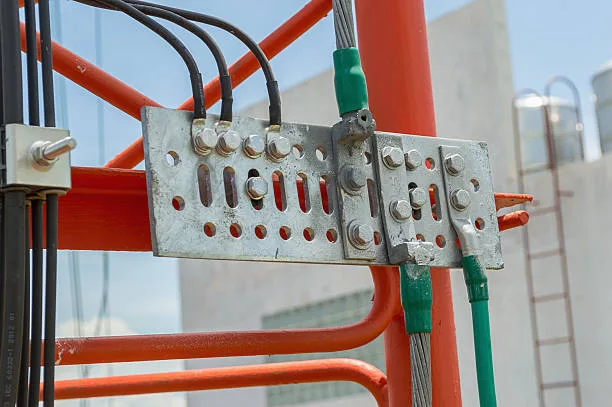
For electrical contractors specifically, support fixings provide a reliable interface between cable management systems and the building structure. The clamp sits on the beam flange; the support — whether a threaded rod, drop rod, or bracket — hangs from it; and the cable tray or conduit fixes to that. Each step is engineered and testable.
Selecting the Right Fixing for Your Application
Choosing the correct support fixing comes down to three main factors: the beam profile, the load being supported, and the orientation of the installation.
Beam profile is the starting point. Parallel flange beams, tapered flange beams, and purlin sections all have different geometries, and the fixing needs to suit the flange it's clamping onto. Using the wrong type risks inadequate grip or incorrect load transfer, neither of which is acceptable in a structural connection.
Load rating is equally important. Each fixing type has defined working loads, and these should be matched to the actual loads in the installation — including any dynamic loads from vibration or movement. Where load requirements are outside standard parameters, it's worth contacting a specialist for engineering guidance.
Orientation comes into play when the beam or installation angle isn't perfectly level or plumb. This is where swivel units and hemispherical washers earn their place — they accommodate the geometry without compromising the structural integrity of the connection.
The Role of Quality and Testing in Support Fixing Specifications
Any fixing used to support electrical equipment from a structural beam should come with documented test approvals and comply with relevant standards. This isn't just about ticking boxes — it's about being able to demonstrate that the connection is engineered, rated, and traceable if a question arises during inspection or after installation.
Lindapter, the manufacturer behind this range, maintains quality and test approvals for its product lines. That documentation is important for project sign-off, insurance, and compliance with Australian building and electrical installation standards.
For installers and project managers, specifying a tested and approved product from the outset avoids the risk of having to justify or remediate connections later. It also gives downstream trades and building owners confidence that the installation has been done to a proper standard.
Where to Source Support Fixings in Australia
For Australian projects, sourcing through a local distributor with direct access to the full Lindapter range is the most straightforward approach. Local stock means shorter lead times, and a distributor with technical knowledge can help with product selection and load verification before you order.
CBW Engineering is the Australian distributor for Lindapter and stocks the full support fixings range, including the FL Beam Clamp, F3 Flange Clamp, Z10 Purlin Clip, and HW/HC Hemispherical Cup and Washers. The team can provide technical advice on product selection and assist with application-specific load questions.
Whether you're working on a new commercial build, an industrial fit-out, or a retrofit project, having the right support fixing specified from the start saves time on site and ensures the installation holds up over the long term. Getting in touch with CBW Engineering early in the design or procurement process is the most efficient way to match the right product to your project requirements.