
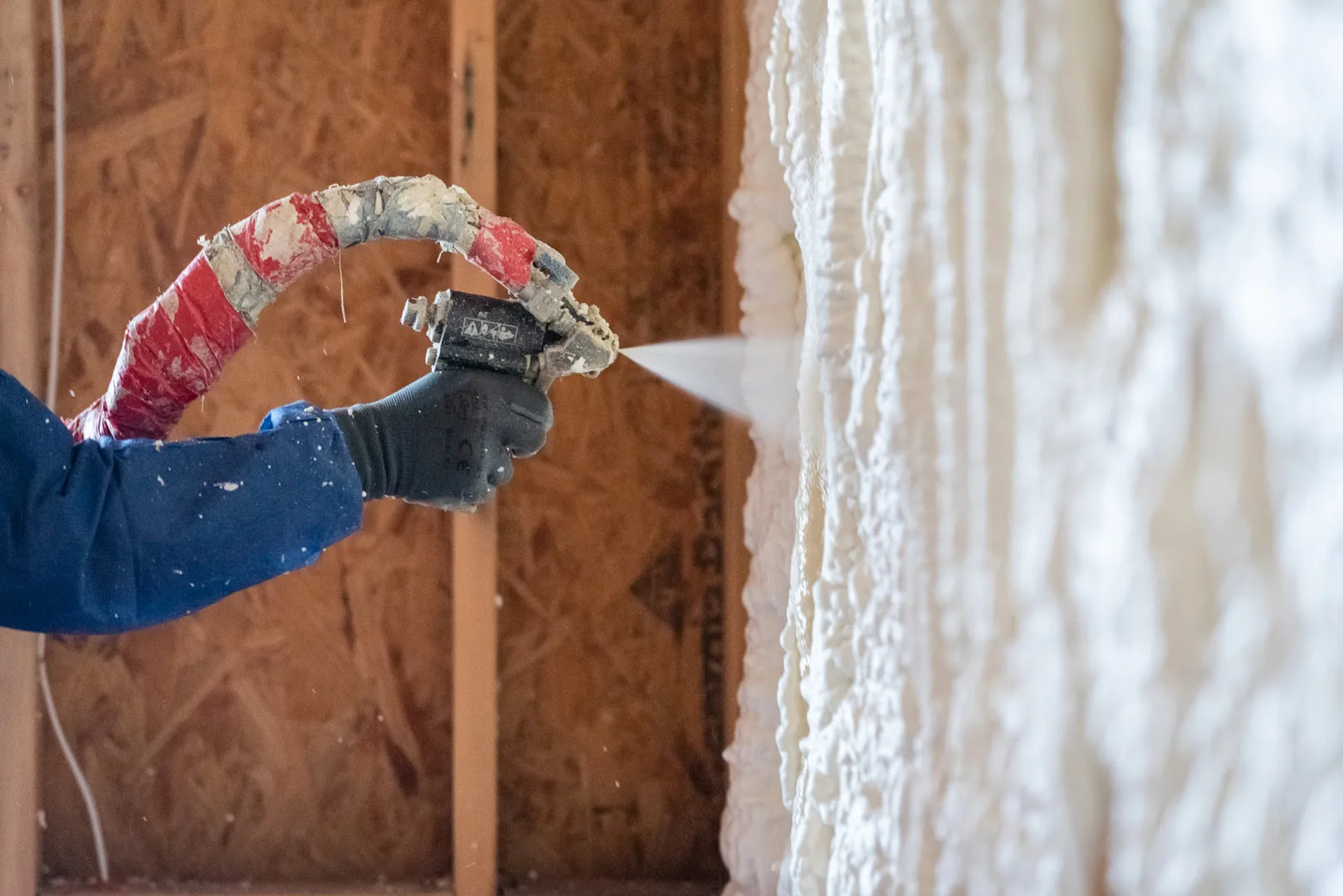
Achieving high thermal efficiency and structural integrity requires a strict adherence to Closed Cell Spray Foam Application Best Practices. The primary solution for ensuring long-term performance involves maintaining precise chemical temperatures, preparing the substrate surface correctly, and applying the foam in specific lift thicknesses. By following these professional standards, you create a durable air barrier that prevents energy loss and protects the building from moisture infiltration for decades. A certified Closed Cell Spray Foam Insulation Contractor ensures proper installation for maximum durability and energy efficiency.
This guide provides a detailed look at the technical requirements and safety protocols necessary for a high-quality installation. Industry experts suggest that when these materials are applied correctly, you can see a significant reduction in monthly utility costs and an increase in the overall lifespan of the structure. Relying on proven methods ensures the material cures properly and adheres permanently to the building components.
Closed Cell Spray Foam Application Best Practices are developed from decades of field experience and chemical engineering data. Professionals understand that the environment plays a major role in the success of the application. Factors such as humidity, wind speed, and ambient temperature must be monitored constantly to prevent material failure or poor yield.
How to apply closed cell spray foam correctly for lasting results
The preparation phase is the most significant part of the installation process. Qualified installers must ensure that the surfaces are clean, dry, and free of oils or dust. If the substrate is too cold or damp, the foam will not bond correctly, which can lead to delamination over time.
- Verify that the moisture content of wood substrates is below 19 percent before spraying.
- Remove any loose debris or old insulation that might interfere with the bond.
- Protect windows, doors, and finished surfaces with plastic sheeting.
- Ensure the site has adequate ventilation to manage overspray and fumes.
Primary spray foam installation techniques used by professionals
The way technicians move the spray gun determines the uniformity of the insulation. Using consistent spray foam installation techniques prevents thin spots and ensures the R-value is even across the entire wall or ceiling. They typically use a steady, overlapping motion to build the desired thickness without creating gaps.
- Maintain a distance of 12 to 18 inches between the spray tip and the substrate.
- Use a 50 percent overlap on each pass to ensure full coverage.
- Monitor the spray pattern to catch any signs of mechanical issues early.
- Adjust the pressure settings on the proportioner to match the specific material being used.
Bonus Tip: Experienced installers often use a "picture frame" technique. They spray the perimeter of a stud cavity first before filling the center to ensure the edges are completely sealed.
Technical specifications for material performance
Understanding the relationship between temperature and curing is essential for quality control. The following table illustrates common parameters used during a standard installation to ensure the chemicals react as intended.

Following proper spray foam thickness guidelines
Applying too much foam at once can cause the material to overheat during the exothermic reaction. Adhering to proper spray foam thickness guidelines is necessary to prevent the foam from pulling away from the studs or creating a fire hazard. Most manufacturers recommend a maximum of two inches per pass.
- Wait for the first layer to cool completely before applying a second pass.
- Measure the thickness frequently using a depth gauge or probe.
- Avoid "stacking" wet foam on top of wet foam, as this ruins the cell structure.
- Check for any signs of charring or discoloration, which indicate the foam was applied too thickly.
The role of air sealing with closed-cell foam in modern buildings
One of the biggest benefits of this material is its ability to stop air leakage. Effective air sealing with closed-cell foam creates a tight building envelope that traditional batts cannot match. This is especially useful in regions with extreme weather, such as for spray foam insulation in Bartlett, IL, where harsh winter winds can penetrate small gaps in the framing.
- Seal the sill plates and rim joists where the house meets the foundation.
- Fill gaps around plumbing penetrations and electrical wires.
- Focus on the attic floor to prevent the stack effect from pulling conditioned air out of the home.
- Ensure the foam expands into every corner to eliminate thermal bridging.
How moisture control with spray foam insulation protects your property
Closed-cell material acts as a vapor retarder, which is a major advantage for moisture control with spray foam insulation. Because the cells are tightly packed and filled with a specialized gas, they do not absorb water. This prevents mold growth and rot within the walls, even in humid climates.
- Use closed-cell foam in basements and crawlspaces where moisture levels are high.
- Eliminate the need for a separate plastic vapor barrier in most applications.
- Prevent condensation by keeping the interior surface of the insulation above the dew point.
- Protect the structural integrity of the wood framing by keeping it dry.
Adhering to spray foam curing and safety guidelines
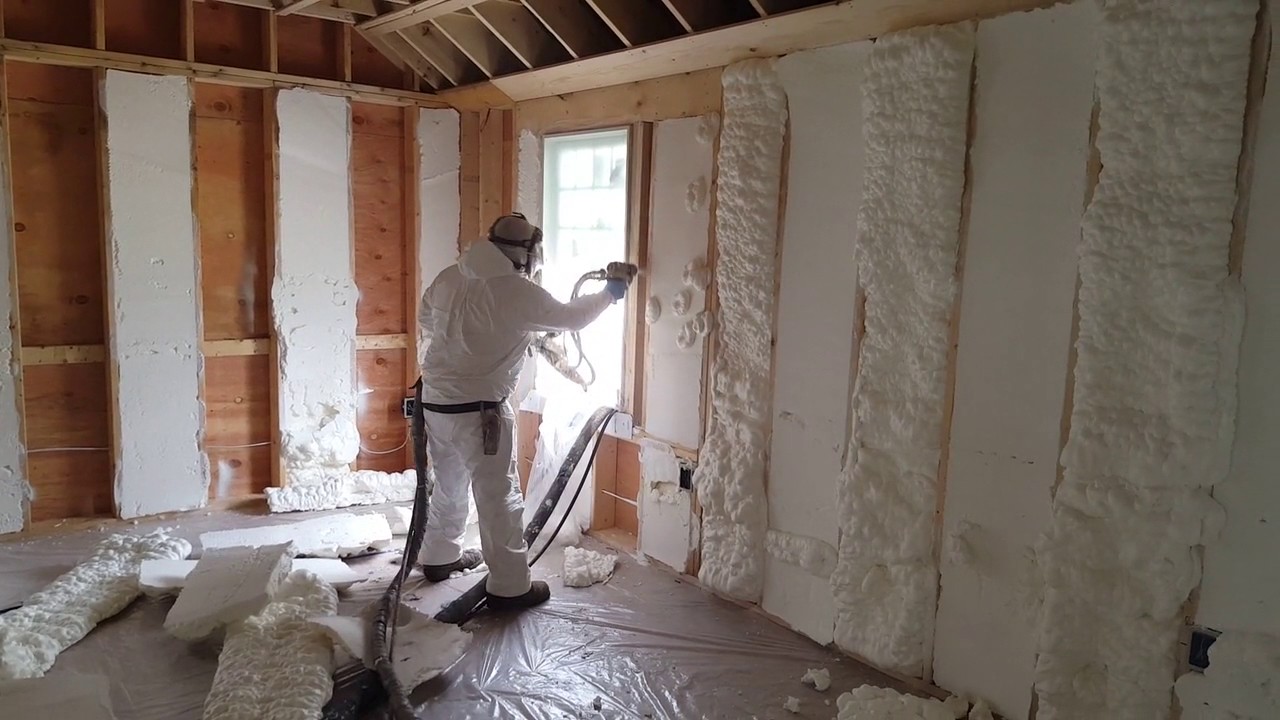
Safety is the highest priority during and after the application. Following spray foam curing and safety guidelines protects both the workers and the residents. The chemicals are safe once they have fully reacted, but proper protocols must be followed during the liquid phase.
- Require all occupants to vacate the building for 24 hours after the job is finished.
- Use high-powered fans to exhaust air from the workspace during the curing period.
- Ensure installers wear full-body suits and supplied-air respirators.
- Check the density of the cured foam to confirm it has reached its design strength.
Professional spray foam installation tips for better efficiency
Maximizing the yield of your materials helps keep costs down while maintaining quality. These professional spray foam installation tips focus on the nuances of the equipment. A well-maintained machine is less likely to have "off-ratio" sprays, which can lead to lingering odors.
- Keep the strainers and filters clean to maintain a steady flow of chemicals.
- Check the pressure gauges constantly to ensure both "A" and "B" sides are balanced.
- Warm the chemical drums before starting if you are working in cold weather.
- Recirculate the material through the hoses to stabilize temperatures before spraying.
Bonus Tip If you notice the foam looks "crunchy" or "soft," stop immediately. This usually means the ratio of chemicals is wrong, and the foam will not provide the expected insulation value.
Why maximizing insulation lifespan and efficiency matters
When you invest in high-quality materials, your goal is maximizing insulation lifespan and efficiency. Unlike fiberglass, which can sag or settle over time, closed cell foam remains rigid. It actually adds structural strength to the walls, making the building more resistant to high winds and racking.
- Enjoy a consistent R-value that does not degrade as the years pass.
- Lower your carbon footprint by reducing the amount of energy needed for heating.
- Improve the indoor air quality by blocking dust and pollen from entering through the walls.
- Increase the resale value of your property with a high-performance insulation system.
Decision factors for choosing closed-cell spray foam services in Bartlett, IL
Before you decide on an insulation package, you should look at the specific needs of your project. If you are looking for closed-cell spray foam services in Bartlett, IL, you need to consider the local climate. The area experiences hot, humid summers and very cold winters, making a high R-value and moisture barrier essential.
- Evaluate whether you need structural reinforcement or just thermal protection.
- Check the local building codes for required R-values in your specific attic or wall assemblies.
- Compare the costs of open cell versus closed cell for your specific square footage.
- Ask for references and examples of previous work in the local area.

How does the application process differ for residential and commercial sites?
Commercial buildings often have different substrates, such as steel or concrete. Applying foam to metal requires careful temperature control because metal acts as a heat sink. Residential projects usually involve wood framing, which is more forgiving but requires a focus on air sealing around intricate details.
Market data indicates that projects using closed-cell spray foam can save up to 15 percent more on heating and cooling compared to those using standard insulation. This makes it a preferred choice for new construction where long-term operating costs are a priority.
Establishing Closed Cell Spray Foam Application Best Practices ensures that every square inch is inspected after the job. Technicians should look for any gaps, shrinkage, or areas where the thickness is insufficient. Catching these small details during the installation phase prevents performance issues later.
Helpful steps for your next insulation project
Choosing the right partner for your project makes a significant difference in the final results. If you are looking for expert assistance, Spray Foam Tech offers specialized services for both homes and businesses. You can reach them at (737) 777-9590 or via email at [email protected] to discuss your specific needs. They provide professional advice on Closed Cell Spray Foam Application Best Practices and can help you get a free quote for your project. You can also view their location and reviews at this map link: https://maps.app.goo.gl/EGjHWFsjyKuVz28T9
Essential takeaways for high-performance insulation
Focusing on the technical details of the application ensures your insulation performs as expected for the life of the building. By prioritizing surface preparation, temperature control, and correct thickness, you avoid common pitfalls. Always look for experienced providers who follow the latest safety and installation standards to get the best value from your investment. Evaluate your building's specific needs and local climate conditions to choose the right insulation strategy.
Common questions about closed-cell foam application
How long does it take for the foam to fully cure?
In most cases, the foam is tack-free within seconds and reaches its full properties within 24 hours. Proper ventilation is required during this entire window to ensure any remaining odors are removed from the space.
Can you spray foam directly onto a roof deck?
Yes, this is a common practice for creating unvented attic spaces. It is essential to ensure the roof deck is dry and the foam is applied in layers to manage heat.
Does closed-cell spray foam stop all mold growth?
The foam itself does not provide a food source for mold and acts as a moisture barrier. However, mold can still grow on dirt or dust on the surface of the foam if humidity is not controlled within the living space.
Is it possible to install spray foam in the winter?
You can install it in cold weather if the chemicals and the substrate are heated. Many professionals use specialized heaters to keep the drum temperatures within the manufacturer's recommended range.
How do you know if the foam was applied at the right thickness?
Installers use a depth probe to measure the thickness while the foam is still being applied. You can also check the total volume of material used against the square footage to verify the average depth.