
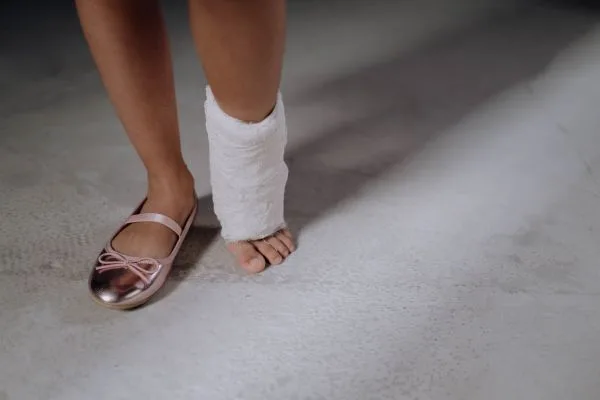
The ankle is one of the hardest-working joints in the body, supporting your weight with every step you take. When the cartilage inside the ankle becomes damaged, even simple daily activities such as walking, climbing stairs, or exercising can become painful. Choosing the right ankle cartilage treatment is essential to relieve discomfort, improve joint function, and prevent long-term complications such as ankle arthritis.
Whether the injury results from sports, trauma, or gradual wear and tear, modern treatment options offer effective solutions for people of different ages and activity levels. Early diagnosis and personalised care can significantly improve recovery and help patients return to their normal lifestyle.
Understanding Ankle Cartilage Damage
Cartilage is the smooth, protective tissue that covers the ends of bones inside the ankle joint. It allows bones to move against each other without friction while absorbing the impact generated during walking, running, and jumping.
Unlike many other tissues, cartilage has a limited blood supply. This means it does not heal easily after an injury. Small cartilage defects may gradually worsen if left untreated, leading to persistent pain and joint stiffness.
Common causes of ankle cartilage damage include:
Previous ankle sprains
Sports-related injuries
Ankle fractures
Repetitive joint stress
Osteoarthritis
Osteochondral lesions of the talus (OLT)
Recognising these causes helps doctors recommend the most suitable ankle cartilage treatment before permanent joint damage develops.
Symptoms That May Indicate Cartilage Injury
Cartilage injuries often develop gradually, although some occur suddenly after an accident. Many patients continue walking despite the damage, allowing the condition to worsen over time.
Common symptoms include:
Deep ankle pain during movement
Swelling that repeatedly returns
Clicking or catching sensation inside the joint
Reduced ankle flexibility
Difficulty walking on uneven surfaces
Feeling that the ankle becomes unstable
Pain during sports or prolonged standing
These symptoms should not be ignored, particularly if they continue for several weeks.
How Specialists Diagnose Cartilage Problems
A thorough diagnosis is the first step toward successful ankle cartilage treatment. Orthopaedic specialists combine clinical evaluation with advanced imaging to understand the extent of cartilage damage.
Diagnosis may include:
Physical Examination
The doctor assesses ankle movement, swelling, tenderness, joint stability, and pain location.
X-rays
Although cartilage itself cannot be seen on X-rays, they help identify fractures, bone alignment problems, and arthritis.
MRI Scan
MRI is the preferred investigation for cartilage injuries because it clearly shows cartilage defects, ligament injuries, and surrounding soft tissues.
CT Scan
CT imaging provides detailed information about bone damage and is especially useful when planning surgery.
Non-Surgical Ankle Cartilage Treatment
Many patients can improve without surgery, particularly when cartilage damage is detected early.
Activity Modification
Reducing high-impact activities allows the injured cartilage to recover while preventing further joint irritation.
Physiotherapy
A structured rehabilitation programme strengthens muscles around the ankle, improves balance, restores flexibility, and enhances joint stability.
Physiotherapy often includes:
Range-of-motion exercises
Strength training
Balance exercises
Walking correction
Functional rehabilitation
Anti-Inflammatory Medication
Medication may reduce pain and swelling during the early stages of recovery. These medicines should only be used according to medical advice.
Bracing and Orthotics
Supportive ankle braces and customised shoe inserts reduce pressure on damaged cartilage and improve walking mechanics.
Injection Therapy
Some patients benefit from injections designed to reduce inflammation or improve joint lubrication. Depending on the individual case, specialists may recommend:
Hyaluronic acid injections
Platelet-rich plasma (PRP)
Corticosteroid injections in selected situations
Injection therapy is usually combined with rehabilitation rather than used as a standalone treatment.
When Surgery Becomes Necessary
If symptoms persist despite conservative management, surgery may provide the best long-term outcome.
The ideal surgical ankle cartilage treatment depends on factors including:
Size of the cartilage defect
Patient's age
Activity level
Overall joint condition
Previous ankle injuries
Advanced Surgical Options
Modern orthopaedic surgery offers several techniques to restore damaged cartilage while preserving the natural ankle joint.
Arthroscopic Debridement
Using minimally invasive keyhole surgery, damaged cartilage fragments are removed while rough joint surfaces are smoothed. Recovery is generally quicker than traditional open procedures.
Microfracture Surgery
Tiny holes are created in the underlying bone to stimulate the body's natural healing response. New cartilage-like tissue gradually fills the damaged area.
This treatment is commonly recommended for smaller cartilage defects.
Osteochondral Grafting
Healthy cartilage and bone are transferred from another part of the body or from donor tissue to repair larger defects.
This technique restores a more natural joint surface compared with scar tissue formation.
Autologous Chondrocyte Implantation (ACI)
Healthy cartilage cells are collected, multiplied in a specialised laboratory, and implanted into the damaged area.
ACI is particularly useful for younger, active patients with larger cartilage injuries.
Corrective Procedures
If cartilage damage results from ankle instability or poor alignment, additional procedures such as ligament reconstruction or bone realignment may be performed alongside cartilage repair.
Recovery After Ankle Cartilage Treatment
Recovery depends on the severity of cartilage damage and the treatment performed.
Most rehabilitation programmes include:
Weeks 1–6
Patients often use crutches to avoid placing full weight on the ankle while healing begins.
Weeks 6–12
Gradual weight-bearing, physiotherapy, and mobility exercises help restore normal movement.
Three to Six Months
Strengthening exercises become more intensive, and many patients return to light recreational activities.
Six to Twelve Months
Recovery continues with sport-specific rehabilitation until full function returns.
Following the rehabilitation programme carefully is one of the most important factors influencing treatment success.
Can Cartilage Damage Be Prevented?
Although not every injury is avoidable, several habits can reduce the likelihood of cartilage problems.
Helpful preventive measures include:
Strengthening ankle muscles regularly
Wearing supportive footwear
Treating ankle sprains promptly
Maintaining a healthy body weight
Warming up before sports
Avoiding repetitive overuse
Improving balance and coordination through exercise
Preventing repeated ankle injuries helps preserve healthy cartilage over the long term.
Choosing the Right Specialist
Successful ankle cartilage treatment requires accurate diagnosis and an individualised care plan. A foot and ankle orthopaedic specialist can assess the extent of cartilage damage and recommend the most appropriate approach based on your condition, activity level, and recovery goals.
Early treatment often leads to better outcomes, shorter recovery times, and a lower risk of developing chronic ankle arthritis.
Conclusion
Damaged ankle cartilage can significantly affect mobility, comfort, and quality of life, but modern ankle cartilage treatment options provide excellent opportunities for recovery. From physiotherapy and injection therapy to minimally invasive surgery and advanced cartilage restoration procedures, treatment can be tailored to each patient's needs.
Seeking medical evaluation as soon as symptoms appear allows cartilage injuries to be managed before they become more severe. With the right treatment plan, consistent rehabilitation, and ongoing joint care, many patients regain strength, reduce pain, and return to their normal daily activities with improved confidence and mobility.