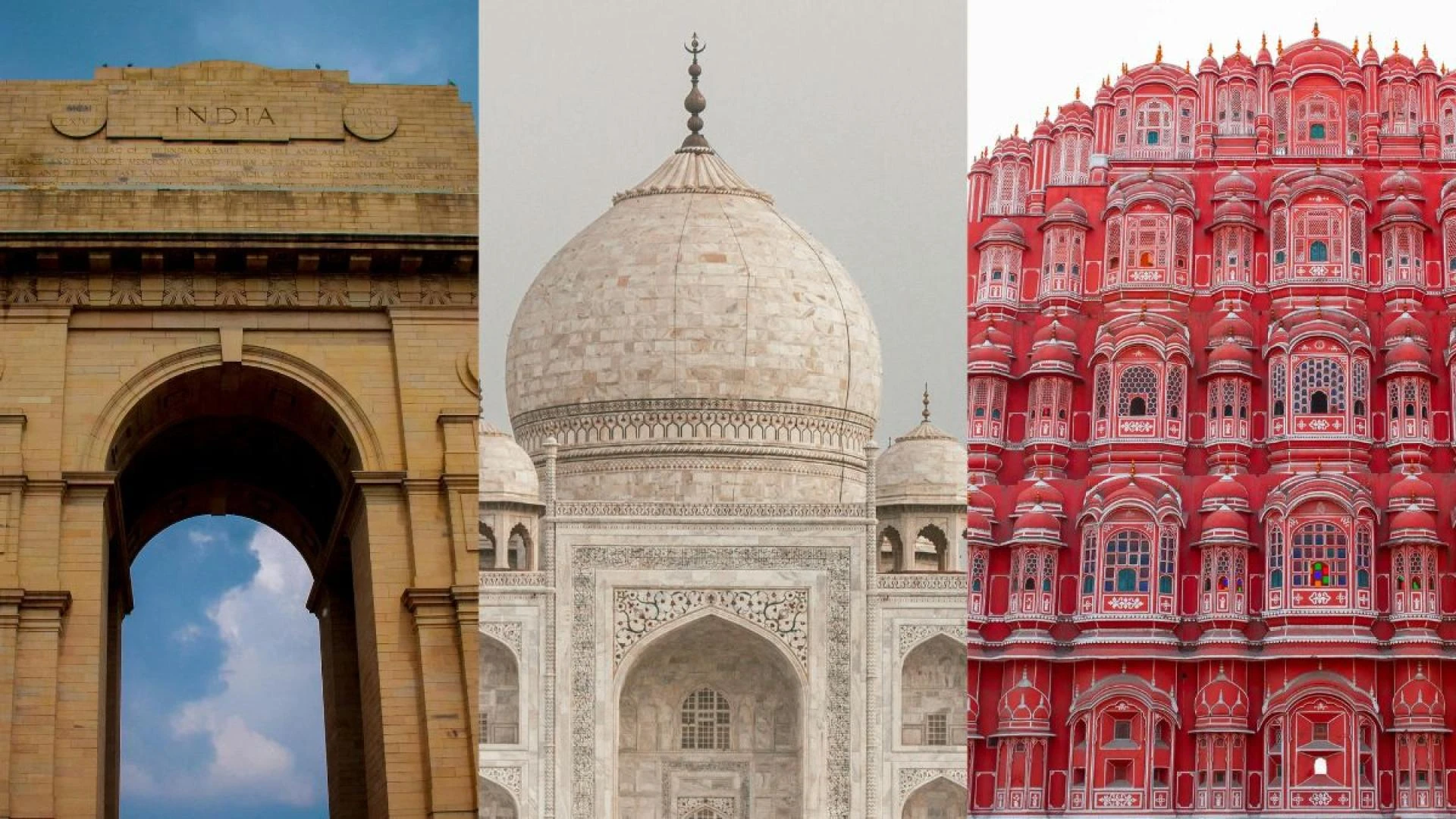
The Delhi Agra Jaipur Tour, often referred to as the Golden Triangle Tour, is one of the most popular travel circuits in India.
This 4-day tour package takes you through three of the most historically significant cities in the country: Delhi, Agra, and Jaipur. Whether you are a history enthusiast, a culture seeker, or someone who wants to explore the architectural marvels of India, this tour provides the perfect balance of heritage, beauty, and modernity.
In this blog, we will give you a comprehensive overview of what to expect from the Delhi Agra Jaipur tour package.
Day 1: Exploring Delhi – The Heart of IndiaYour journey begins in Delhi, the capital city of India, which is a fascinating mix of the old and the new. Delhi is a city where ancient monuments stand side by side with modern skyscrapers, offering a unique blend of history, culture, and contemporary vibes. The first day of your tour will introduce you to some of the most iconic landmarks of Delhi.
Start with a visit to India Gate, a war memorial that stands tall as a symbol of India's strength and sacrifice. Next, head to Qutub Minar, a UNESCO World Heritage Site and the tallest brick minaret in the world. The intricacy of the carvings and the architectural brilliance of Qutub Minar are sure to leave you in awe.
Afterward, visit the Red Fort (Lal Qila), another UNESCO World Heritage Site that holds great historical significance. Built by the Mughal Emperor Shah Jahan, it showcases the grandeur of Mughal architecture. You can also explore the nearby Jama Masjid, one of the largest mosques in India, before finishing the day with a visit to Chandni Chowk – a bustling market area known for its traditional shops, street food, and vibrant atmosphere.
If time permits, you can also explore Humayun's Tomb, a stunning example of Mughal architecture and a precursor to the Taj Mahal. As night falls, enjoy a leisurely dinner at one of Delhi's famous restaurants, offering a variety of Indian delicacies.
Day 2: Agra – The City of Love
On day two, you'll drive from Delhi to Agra, a journey that takes approximately 3-4 hours. Agra is home to one of the most famous monuments in the world – the Taj Mahal. The day begins with a visit to this iconic white marble mausoleum, which was built by Emperor Shah Jahan in memory of his beloved wife Mumtaz Mahal. The Taj Mahal is an architectural masterpiece and a symbol of eternal love, attracting millions of visitors every year.
After marveling at the Taj Mahal, head to Agra Fort, another UNESCO World Heritage Site. The fort, built by Emperor Akbar, is a stunning blend of Mughal and Persian architecture and offers beautiful views of the Taj Mahal from its terrace.
If time allows, you can also explore Mehtab Bagh, a garden located across the Yamuna River, which offers a fantastic view of the Taj Mahal at sunset. The peaceful surroundings make it an ideal spot to relax and reflect on the grandeur of the Taj Mahal.
In the evening, you can indulge in some local shopping in Agra, known for its marble artifacts, handicrafts, and leather goods. Enjoy an authentic Mughlai dinner at a local restaurant before retiring for the night.
Day 3: Jaipur – The Pink City
On the third day, you will embark on a road trip to Jaipur, the capital of Rajasthan, which is approximately a 5-hour drive from Agra. Known as the Pink City, Jaipur is famous for its regal palaces, majestic forts, and vibrant culture. Upon arrival, your exploration of the city begins with a visit to the Amber Fort, a stunning hilltop fort that reflects the grandeur of Rajasthan’s royal history. You can either hike up to the fort or enjoy a traditional elephant ride, which is a popular way to ascend the fort’s entrance.
Next, head to City Palace, a magnificent royal residence that is now a museum displaying Rajasthani arts, textiles, and antiques. The palace complex also includes the Chandra Mahal and Mubarak Mahal, both showcasing exquisite Rajasthani architecture.
A visit to the Jantar Mantar, an astronomical observatory built by Maharaja Jai Singh II, is a must for history and science enthusiasts. The observatory is home to the world’s largest stone sundial and a series of intricate instruments used for studying celestial bodies.
Your final stop in Jaipur is the Hawa Mahal, also known as the Palace of Winds. This iconic structure with its 953 intricately designed windows allows the breeze to flow through, providing a cooling effect for the women of the royal family.
In the evening, enjoy a traditional Rajasthani dinner, where you can savor the region’s famous dishes like dal baati churma, gatte ki sabzi, and laal maas.
Day 4: Departure from Jaipur
On the fourth day, after a delightful breakfast, you’ll have some free time to explore Jaipur’s local markets, famous for their textiles, jewelry, and handicrafts. You can visit the bustling Johari Bazaar or Bapu Bazaar for souvenirs. Jaipur is also known for its vibrant hand-painted pottery, and you may want to pick up a few unique pieces.
Once you’ve wrapped up your shopping, you’ll head to the Jaipur airport or railway station for your onward journey, concluding your 4-day Golden Triangle tour.
Conclusion
The Delhi Agra Jaipur Tour Package is an ideal way to experience the rich history, culture, and architecture of India in a short span of time.
Each city has its own charm, from the bustling streets of Delhi to the romantic allure of the Taj Mahal in Agra, and the regal splendor of Jaipur. Whether you're a first-time visitor to India or a seasoned traveler, this 4-day tour will leave you with lasting memories and a deeper appreciation for India’s diverse heritage.
The Golden Triangle tour is perfect for those who want to make the most of their time in India, offering an unforgettable glimpse into the heart of the country.