
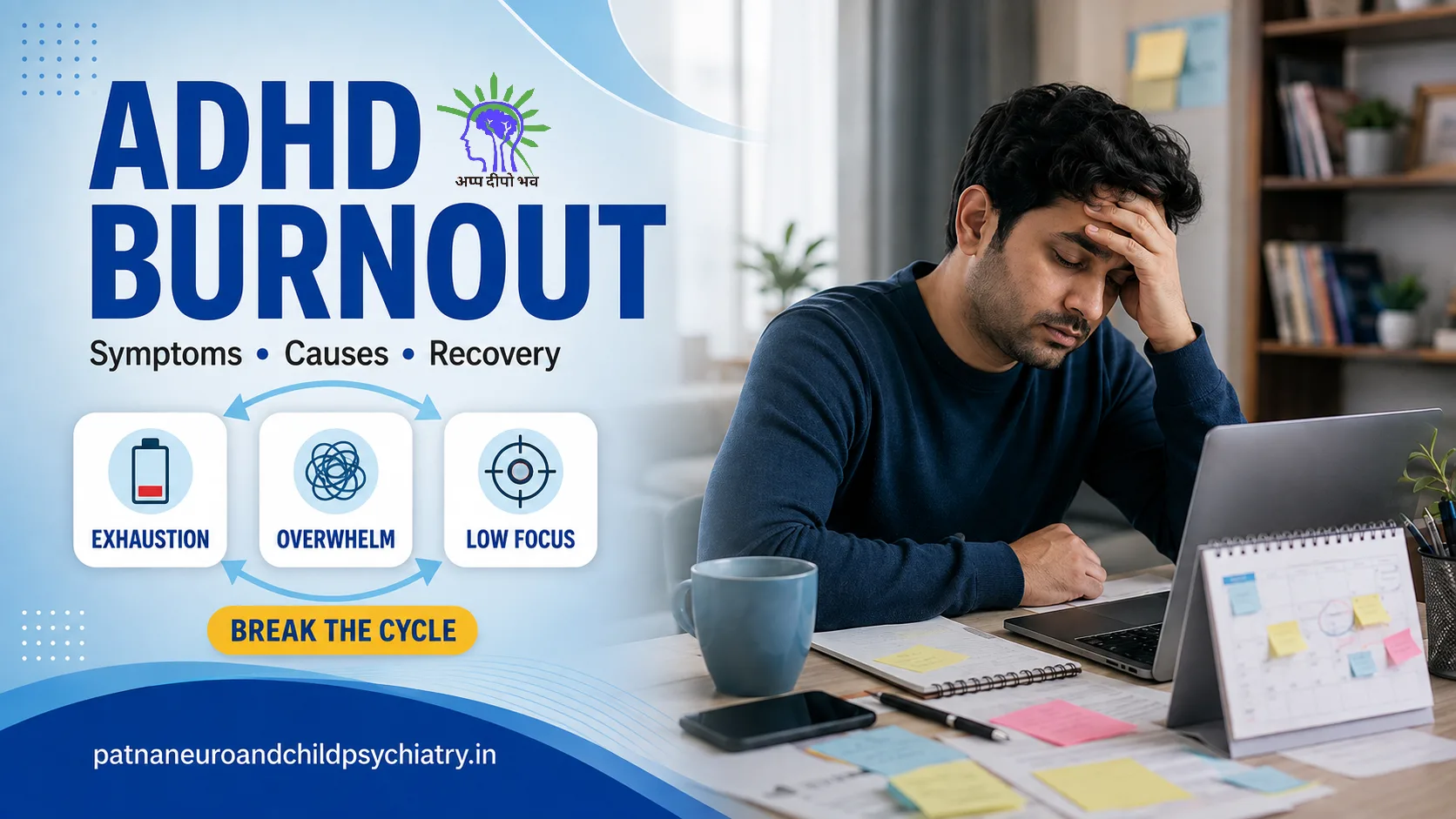
Living with ADHD can often feel like running a race with no finish line. The constant effort to stay focused, organised, and productive can become mentally draining. Over time, this exhaustion may develop into what many people describe as ADHD burnout.
Noticing ADHD burnout symptoms early can help you take the right steps before they become severe. This guide explains how to recover from ADHD burnout, its common causes, treatment options, and ways to prevent the cycle from returning.
What Is ADHD Burnout?
ADHD burnout is a state of deep mental, emotional, and physical exhaustion. It may occur when someone with ADHD feels overwhelmed for a prolonged period.
Unlike ordinary tiredness, the exhaustion may not disappear after a night’s sleep. However, ADHD burnout is not currently recognised as a separate medical diagnosis. Its symptoms may overlap with stress, anxiety, depression, sleep disorders, or poorly managed ADHD.
The relationship between burnout and ADHD often follows a recognisable pattern. A person may set high expectations, overcommit, experience mounting stress, and eventually shut down.
The ADHD burnout cycle commonly looks like this:
High expectations → overcommitment → stress → exhaustion → reduced productivity → guilt → renewed overworking
Recognising this pattern is the first step towards finding out how to recover from ADHD burnout effectively.
ADHD Burnout Symptoms
Spotting ADHD burnout symptoms early may prevent the exhaustion from becoming more difficult to manage. These signs can affect daily routines, emotions, relationships, and work performance.
Common symptoms include:
- Constant fatigue, even after resting
- Difficulty starting or completing tasks
- Lower motivation than usual
- Increased problems with focus and organisation
- Irritability and emotional sensitivity
- Feeling overwhelmed by small responsibilities
- Reduced productivity
- Social withdrawal
- Loss of interest in previously enjoyable activities
- Feeling stuck, helpless, or mentally exhausted
During this stage of the ADHD burnout cycle, even simple tasks may feel unexpectedly demanding. Identifying these changes can help you take timely steps towards ADHD burnout recovery.
ADHD Burnout Causes
ADHD burnout causes do not usually involve one sudden event. Instead, emotional strain and daily pressures gradually build over time.
Common causes include:
- Chronic stress: Constantly trying to meet expectations that do not suit how the ADHD brain functions can become exhausting.
- Masking ADHD symptoms: Hiding difficulties or trying to appear organised and focused requires considerable mental energy.
- Overcommitment: Taking on too many responsibilities without considering personal energy limits can quickly cause exhaustion.
- Poor daily structure: A lack of routines, reminders, or practical support can make tasks harder to manage.
- Time-management difficulties: Problems estimating time or prioritising tasks can make everything feel urgent.
- Perfectionism: Setting unrealistic standards may create stress, disappointment, and self-criticism.
- Emotional sensitivity: Strong reactions to criticism, rejection, or setbacks can increase emotional exhaustion.
These ADHD burnout causes can continue feeding the same cycle. Without changes in workload, expectations, or support, recovery may become more difficult.
How To Recover From ADHD Burnout
ADHD burnout recovery begins with accepting your current limits and allowing yourself to slow down. The aim is not to push harder but to rebuild energy and develop a manageable routine.
1. Give Yourself Time To Rest
Both physical and mental rest are important. Take regular breaks without treating them as a sign of failure. Your mind needs time to recover from prolonged stress.
2. Reduce Your Current Workload
Identify tasks that can be delayed, delegated, shortened, or removed. Avoid taking on additional responsibilities until your energy begins to improve.
3. Simplify Your Routine
Replace long to-do lists with a few realistic tasks. Breaking large responsibilities into smaller actions can make them easier to begin and complete.
4. Create External Structure
Use reminders, calendars, timers, written instructions, or visual schedules. These tools reduce the mental effort required to remember and organise everything.
5. Set Realistic Expectations
Avoid comparing your productivity with other people. Plan according to your energy, symptoms, and current circumstances.
6. Seek Professional Support
If the exhaustion is severe, persistent, or repeatedly returns, consult a neuropsychiatrist in Patna. Appropriate ADHD treatment in Patna may include assessment, therapy, medication management, and personalised coping strategies.
Most importantly, practise self-compassion. Recovery takes time, but consistent changes can gradually weaken the ADHD burnout cycle.
Treatment And Support Options
Effective ADHD burnout recovery may require a combination of approaches rather than one quick solution.
- Therapy: Therapy can help identify unhelpful behavioural patterns, manage stress, and develop practical coping strategies.
ADHD medication: When clinically appropriate, medication may help manage core
ADHD symptoms. It should only be started or adjusted under a qualified medical professional’s supervision.
- Lifestyle support: Consistent sleep, balanced meals, physical activity, and scheduled breaks may support energy and emotional regulation.
- Workplace or academic adjustments: Flexible deadlines, written instructions, quiet working areas, and structured tasks may reduce daily pressure.
- Family support: When family members understand burnout and ADHD, they can provide practical help without criticism or unrealistic expectations.
Professional ADHD treatment in Patna can also determine whether the symptoms are caused by ADHD burnout, depression, anxiety, sleep problems, or another health condition. ADHD management may include lifestyle changes, workplace support, therapy, medication, or a combination of approaches
Conclusion
Recovering from ADHD burnout is not about becoming productive every day. It is about recognising your limits and creating a routine that supports your needs.
Once you recognise the symptoms and address the underlying causes, meaningful improvement becomes possible. With appropriate support, patience, and consistent changes, ADHD burnout recovery can help you regain energy and control over daily life.
FAQs
1. Is ADHD Burnout The Same As Depression?
No. ADHD burnout and depression are different, although they can cause similar symptoms, such as fatigue, poor motivation, withdrawal, and difficulty concentrating. A professional evaluation can help identify the actual cause.
2. Can Lifestyle Changes Help Prevent ADHD Burnout?
Yes. Consistent sleep, manageable routines, regular breaks, physical activity, and realistic expectations may reduce common ADHD burnout causes. These changes can also help prevent the ADHD burnout cycle from returning.
3. Can ADHD Burnout Lead To Anxiety Or Depression?
Long-term stress and exhaustion may occur alongside anxiety or depression. If ADHD burnout symptoms persist, worsen, or affect daily functioning, speak with a qualified mental health professional.