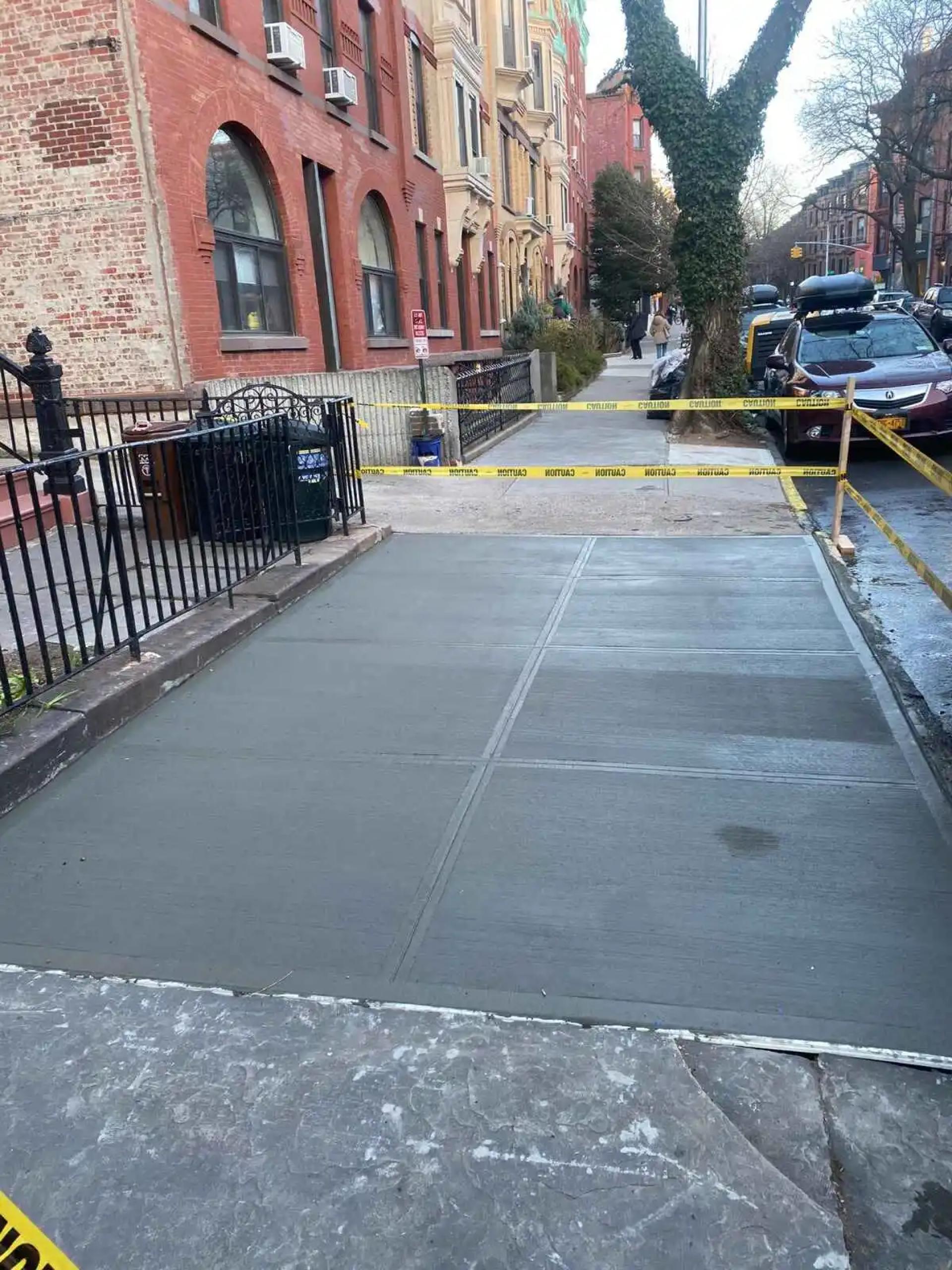
When you're a property owner in New York City, one thing you can’t ignore is sidewalk maintenance. Sidewalks aren’t just for walking—they’re part of your legal responsibility. If your property has damaged, uneven, or cracked concrete, the NYC Department of Transportation (DOT) might just serve you a repair notice. Don’t panic. In this quick guide, we’ll walk you through everything you need to know about NYC DOT sidewalk repair regulations, so you can stay on top of your property duties and avoid costly fines.
Why Sidewalk Repairs Matter in NYC
NYC is a city built for walking. The sidewalks are constantly used by pedestrians, delivery workers, tourists, and even outdoor diners. Damaged sidewalks aren’t just an inconvenience—they're a safety hazard. The DOT enforces regulations to ensure the sidewalks remain safe and accessible for everyone.
Who Is Responsible for Sidewalk Repairs?
In NYC, it’s the property owner’s responsibility to maintain the sidewalk adjacent to their property. That includes residential, commercial, and even certain city-owned properties. This surprises many people who assume the city takes care of all infrastructure.
What Triggers a DOT Sidewalk Violation?
The DOT conducts inspections, and if they find:
- Cracks wider than ½ inch
- Uneven slabs creating trip hazards
- Tree root damage
- Collapsed or missing sections
You’ll likely receive a Sidewalk Violation Notice. It’s not a fine, yet. It’s a warning giving you time to fix the problem before the city steps in and does it for you.
How Long Do You Have to Make Repairs?
Once you receive the notice, you have 75 days to repair the sidewalk on your own. You can hire a contractor or handle it yourself if you’re qualified. If you don’t make repairs within the time frame, the DOT may hire a contractor to do the job and bill you for it—usually at a much higher cost.
Hiring a Licensed Contractor
While it might be tempting to save some money and cut corners, using a NYC-licensed contractor is the safest route. They’re familiar with the city’s strict guidelines and can ensure your sidewalk passes reinspection. Be sure to check reviews and confirm licensing before hiring.
Common Mistakes to Avoid
- Ignoring the violation notice
- Hiring unlicensed contractors
- Not checking for tree root conflicts
- Pouring new concrete over old damaged slabs
Avoid these, and you’ll save time, money, and a lot of headaches.
How to Check for Sidewalk Violations
The city provides a handy online portal. You can visit the NYC DOT’s official sidewalk violation search tool to see if your property has any open violations.
Conclusion:
Dealing with NYC DOT sidewalk regulations might seem overwhelming at first, but it doesn’t have to be. As a property owner, staying proactive can save you money, stress, and even legal trouble down the road. If you’re unsure about the process or want to make sure the job gets done right the first time, contact us to speak with a trusted sidewalk repair contractor in NYC.
By understanding your responsibilities and taking timely action, you can keep your sidewalks safe, your neighbors happy, and your wallet protected.