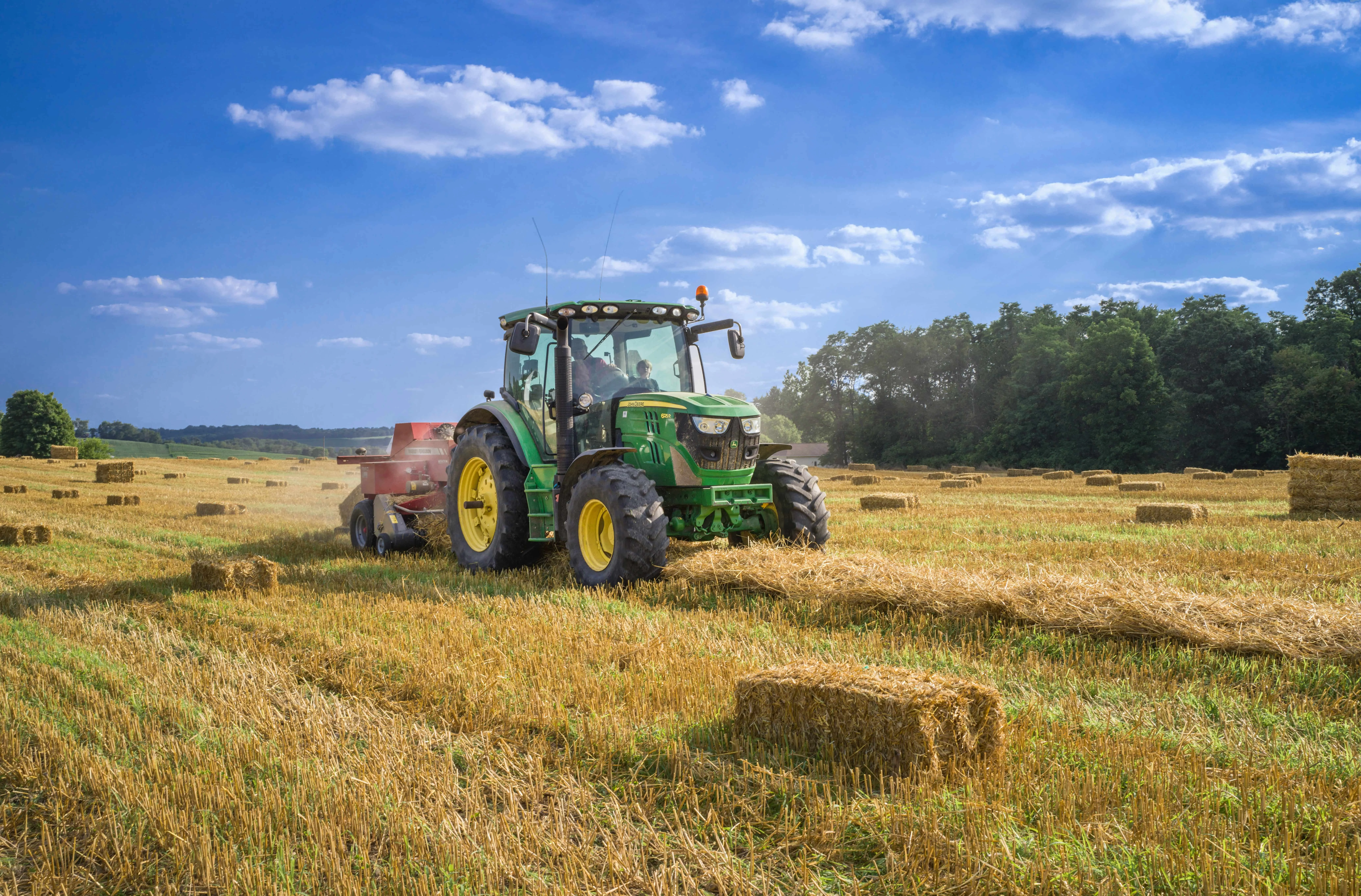
In farming, a delay is not an inconvenience. It is a yield problem. A combine that sits idle for four hours during a narrow harvest window does not simply catch up the next morning, because the next morning might bring rain, and the rain might not stop for a week. Fuel is one of the few variables on a farm that a producer can actually control, and yet it remains one of the most common causes of unplanned downtime during the exact weeks when downtime costs the most.
Farm diesel fuel delivery exists to take that variable off the table. Here are eight ways a properly structured delivery program keeps equipment moving when the calendar refuses to wait.
1. Harvest and planting windows stay intact
Agronomic windows are short and weather-dependent. When soil conditions and moisture finally line up, every hour of daylight counts, and a fuel shortage during that stretch costs far more than the fuel itself. Scheduled delivery ahead of the window means tanks are full before the window opens, not while it is closing. The difference between finishing a field on Thursday and finishing it the following Tuesday can be the difference between a clean harvest and a wet one.
2. No trips to town during the hours that matter most
Sending a truck or a hand into town for fuel during planting or harvest removes a person and a vehicle from the operation for an hour or more, often at the worst possible time. On multi-parcel operations, that trip repeats. Delivery to the farm eliminates the errand entirely, keeping labor on the equipment rather than on the road. On a family operation where the labor pool is three people deep, one recovered hour per day during peak season is meaningful.
3. On-farm storage buffers against regional supply disruption
Rural fuel supply is thinner than most producers realize. A regional refinery outage, a pipeline issue, a hurricane pulling supply south, or a simple run on the local co-op can leave a farm short at the worst moment. Bulk storage filled on a delivery schedule provides a buffer measured in days rather than hours, which is usually enough to ride out a disruption that would otherwise stop the operation cold.
4. Delivery cadence matched to the crop calendar
Fuel consumption on a farm is not linear. It spikes hard during planting and harvest, drops through the middle of the season, and shifts again for fall tillage and grain drying. A delivery program built around agricultural fuel supply that follows the season adjusts volume and frequency to match, so tanks are heavy going into the busy weeks and are not sitting overfull through the quiet ones, tying up cash.
5. After-hours and emergency response when something runs dry
Equipment does not fail politely at ten in the morning. A grain dryer running through the night, an irrigation pump during a dry stretch, or a combine finishing a field at eleven at night can all hit empty outside business hours. A delivery partner with genuine around-the-clock dispatch turns a season-threatening problem into a phone call, which is the entire value of the relationship on the two or three nights per year when it matters.
6. Direct delivery to remote parcels and field-staged equipment
Modern operations rarely sit on one contiguous block. Ground is scattered across townships, and equipment is staged where the work is, not where the shop is. Delivery direct to field-staged tractors, tillage equipment, and portable tanks means the machine does not have to travel back to a central yard just to fuel. On operations spread across twenty or thirty miles, the recovered travel time compounds fast during the weeks it counts.
7. The right seasonal blend arrives before the weather turns
Winter-treated diesel does no good if it shows up in December after the first cold snap has already gelled a filter at six in the morning. A delivery program that transitions blends on a schedule tied to regional climate, not to a customer request, means the correct fuel is already in the tank before the temperature drops. That single piece of timing prevents one of the most predictable and most frustrating cold-weather delays in agriculture.
8. One supplier across scattered ground and mixed equipment
Most farms run a mix: on-road trucks, off-road dyed diesel for field equipment, DEF for Tier 4 machines, sometimes gasoline for utility vehicles. Sourcing those separately creates four relationships, four billing cycles, and four opportunities for something to be forgotten. Consolidating supply under one delivery program means one schedule, one invoice, and one number to call when something changes, removing an entire category of administrative delays from the operation.
Farm diesel fuel delivery is not really about fuel. It is about protecting the handful of weeks each year when the entire season is decided. The rest of the year, fuel is a commodity. During planting and harvest, it is the difference between hitting the window and watching it close.
The producers who never think about fuel during those weeks are not lucky. They built a delivery program that anticipated the season rather than reacting to it: bulk storage sized to their actual burn rate, a cadence tied to the crop calendar, seasonal blends arriving on time, and a partner who answers at midnight. That preparation costs very little. The alternative, a stalled combine and a forecast turning wet, costs considerably more.