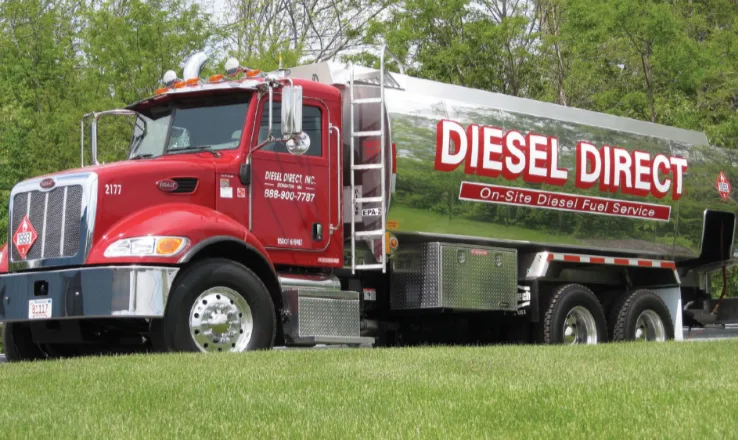
Most businesses don’t switch to on-site fuel delivery because of what it adds. They switch because of what it removes. The hidden costs of retail fueling rarely show up as a single line item, which is exactly why they go unaddressed for so long. They bleed out of an operation in small amounts across hundreds of transactions, and by the time anyone adds them up, they represent a meaningful slice of the operating budget.
The businesses that make the move tend to be the ones that finally sat down and quantified what retail fueling was actually costing them. Here are six expensive problems that on-site fuel delivery quietly eliminates.
1. Lost productive hours at the pump
Every retail fueling stop takes 15 to 30 minutes per vehicle, including the detour, wait, and transaction. Across a fleet running daily, hundreds of productive hours per month are vanishing into station visits that produce nothing. On-site delivery recovers every one of them.
2. Fuel theft and unauthorized purchases
Fuel cards leak. Skimming, slippage, personal fill-ups, and snacks charged to the fleet account add up to a real number that most operations never fully quantify. On-site delivery places verified gallons directly into the tank, with the meter reconciled before the truck leaves the yard. There is no card to clone, no station transaction to pad, and no ambiguity about whether the gallons billed actually went into a company vehicle.
3. Accounting chaos at month-end
Reconciling dozens or hundreds of fuel card receipts against the general ledger is a slow, error-prone monthly grind. On-site delivery collapses that into one vendor, one consolidated invoice, and gallon-level tracking by unit. Reconciliation drops from days to minutes.
4. Out-of-route miles and detour wear
Sending a truck off its route to find diesel adds miles, burns fuel, and accelerates wear, all to buy fuel that should have come to the vehicle. On-site delivery removes the detour entirely, which lowers both operating cost and long-term maintenance spend. It also eliminates the cold starts and stop-start cycles that come with station visits, which are exactly the conditions that wear an engine fastest.
5. Supply gaps during nights, weekends, and emergencies
Operations that run around the clock can’t afford to plan routes around station hours or risk a shortage during a regional disruption. On-site fuel delivery with true 24/7 dispatch turns fuel supply from a variable into a constant, regardless of when the equipment needs it.
6. Compliance and documentation exposure
Fuel-related reporting (IFTA, off-road tax treatment, environmental records) creates real liability when it is handled inconsistently. A reputable on-site provider builds that documentation into the service, moving the compliance burden off the fleet manager’s desk and into a structured, audit-ready trail.
Notice the pattern: none of these six problems announce themselves. There is no single invoice for lost productivity, no monthly statement for fuel theft, no line item for compliance risk. They quietly erode an operation, which is exactly why they persist.
On-site fuel delivery works because it addresses all six at once. It isn’t a marginal convenience. It is structural protection against a category of costs most businesses have learned to live with. Recovered productivity, eliminated theft, clean books, lower maintenance, guaranteed supply, and reduced compliance risk all come from a single change to how fuel reaches the equipment. The operations that make the switch usually wonder, in hindsight, why they tolerated the alternative for so lo