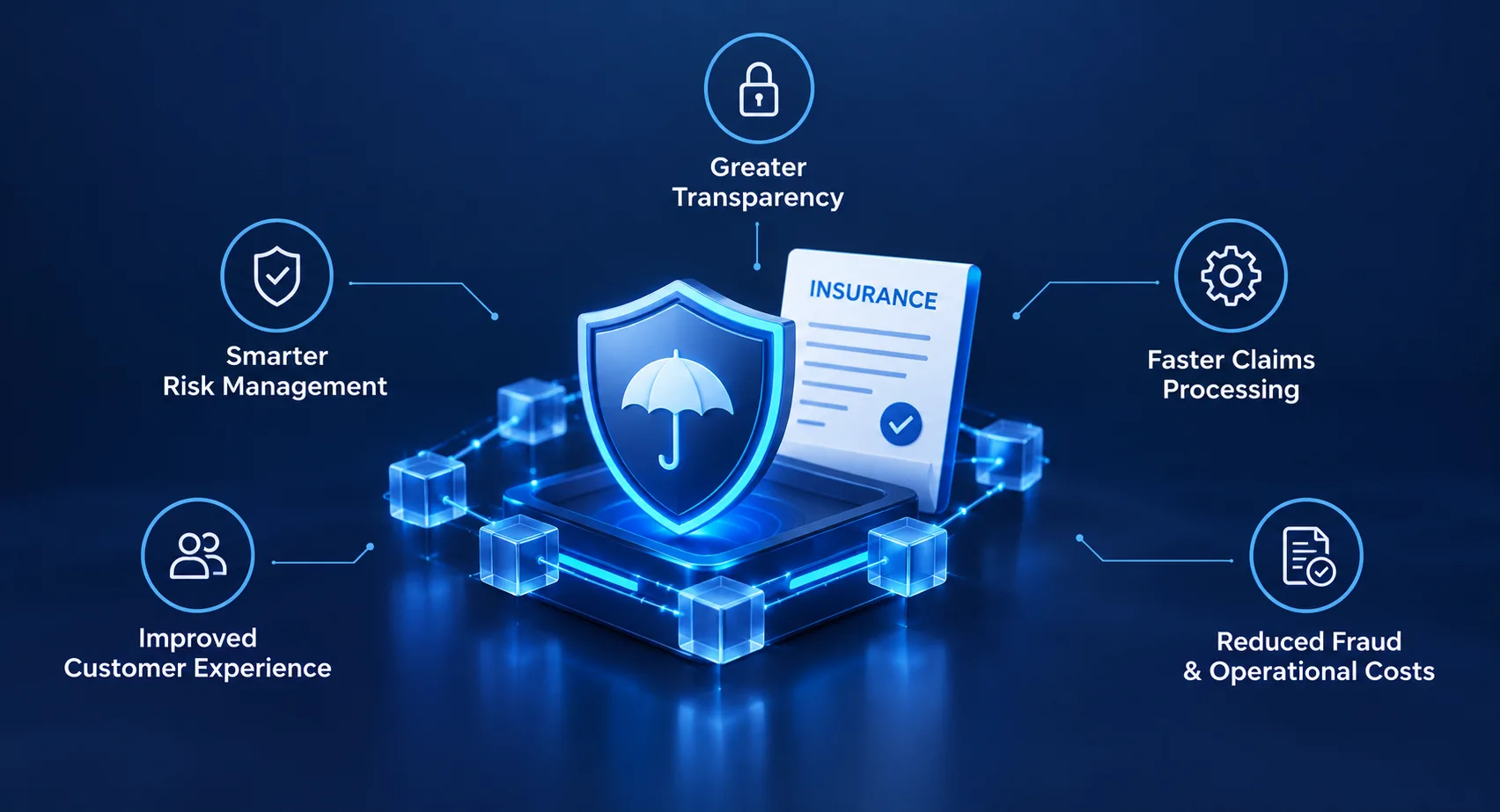
For years, blockchain in insurance sounded like a concept for conference slides. Today, pilots, industry consortia, and live products show where it can deliver real value. While it will not replace every part of the industry, there are clear areas where blockchain is already changing how insurance is built and delivered. Here are five of them.
1. Automated Claims Through Smart Contracts
Claims processing is one of the most expensive and frustrating parts of insurance. Documents are submitted, reviewed, questioned, and re-reviewed, often over weeks. Smart contracts offer an alternative. When coverage terms are written as code, a verified event can trigger payment automatically.
This does not suit every claim. Complex or disputed cases still need human judgment. But for clear-cut situations, automation reduces delays, lowers handling costs, and gives customers faster certainty.
2. The Rise of Parametric Insurance
Traditional insurance pays based on assessed loss. Parametric insurance pays based on a measurable event, such as rainfall below a set level, wind speed above a threshold, or a flight delayed past a certain time. Because the trigger is objective, there is no need to inspect damage or negotiate a settlement.
Blockchain supports this model by combining smart contracts with trusted data feeds. The payout rules are transparent, the data source is verifiable, and the settlement can happen quickly. This is particularly valuable for agriculture, climate-related risks, and travel cover.
3. Stronger Fraud PreventionInsurance fraud costs the industry and honest policyholders significant money every year. Because blockchain records are time-stamped and difficult to alter, they create a reliable history of policies, claims, and supporting documents. Duplicate claims, forged paperwork, and altered records become harder to hide.
Health and motor insurance stand to benefit most, since these lines handle high claim volumes and multiple parties. A shared record between insurers, hospitals, and repair providers can flag inconsistencies that might otherwise go unnoticed.
4. Smarter Reinsurance and Risk SharingReinsurance involves many parties and complex settlement processes. Tokenizing risk positions allows several capital providers to hold fractional exposure to underwriting risk. This can widen the range of participants, improve transparency around who holds what, and make transfers simpler.
For insurers, this creates more flexible ways to manage capital. For investors, it opens access to a market that was traditionally limited to large institutions.
5. Peer-to-Peer and Community CoverageSome blockchain-based models allow groups of people to pool funds and cover each other against shared risks. Rules about contributions, claims, and payouts are enforced by code rather than by a central administrator. Members can often vote on or review decisions, which adds a layer of community oversight.
These models are still developing and face regulatory questions, but they show how insurance can be organized in new ways, especially for risks that traditional providers do not serve well.
What to Keep in MindTechnology alone does not guarantee success. Insurers adopting blockchain still need to address several practical points:
- Regulatory compliance across the regions where they operate
- Data governance to protect personal information
- Integration with existing policy, claims, and payment systems
- Customer education so people understand how tokenized or automated products work
The strongest use cases are those where automation clearly removes friction, such as faster payouts, fewer disputes, and lower costs. Projects that add complexity without a clear benefit tend to stall.
Final ThoughtsBlockchain is not a cure-all for insurance, but it is proving useful in specific, well-defined areas. Smart contracts, parametric products, fraud reduction, reinsurance tokenization, and community cover each show how shared, programmable records can improve trust and efficiency.
Want a fuller overview of how these platforms are structured? Read this guide to blockchain-powered insurance platforms.