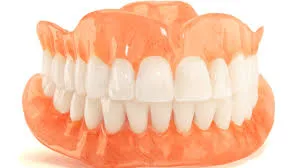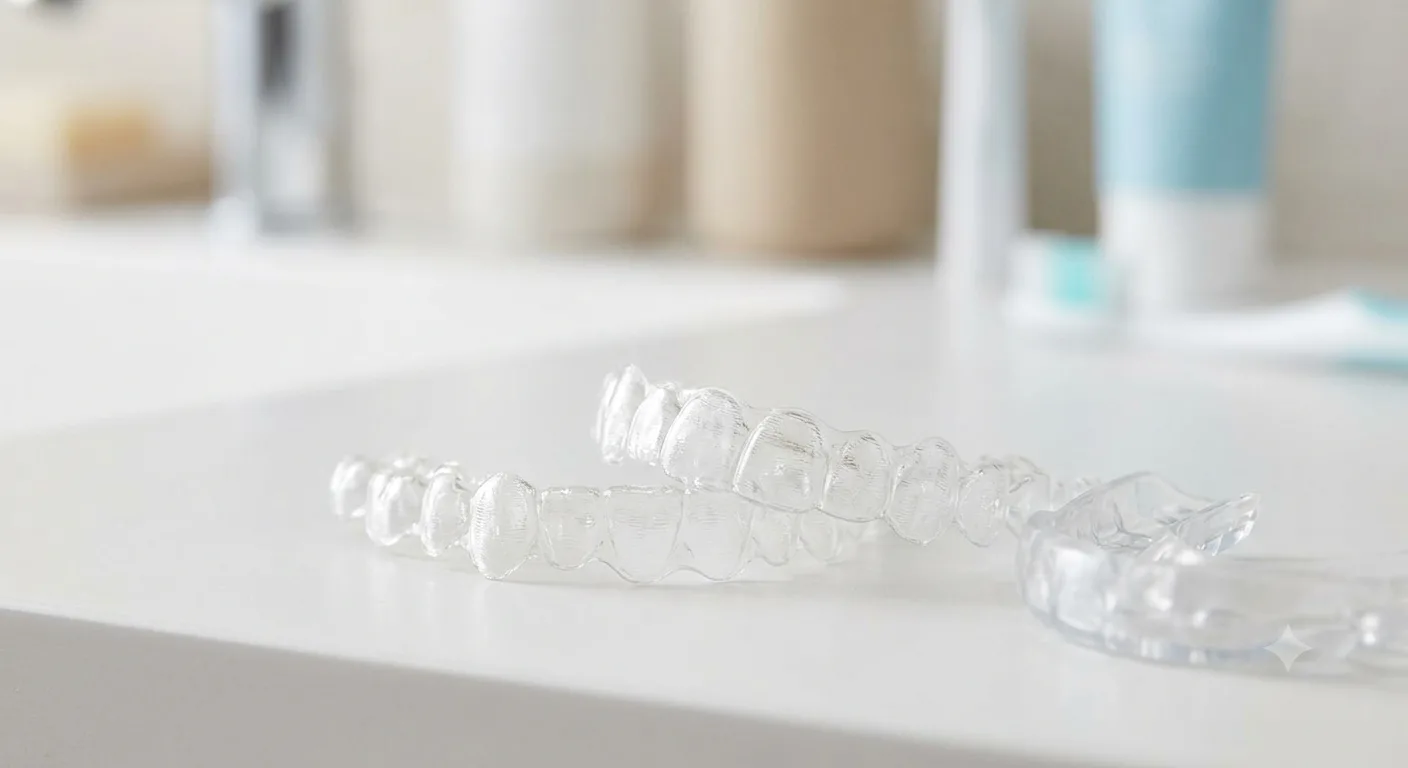
Teeth grinding, also known as bruxism, is a common habit that can place extra pressure on the teeth and jaw. People who grind or clench their teeth may wonder whether orthodontic treatment is suitable for them. If you are considering clear aligners, it is important to understand how teeth grinding may affect treatment and what steps can help protect your smile. Here are five important things to know about Invisalign and teeth grinding.
Teeth Grinding Does Not Always Prevent Orthodontic Treatment
Having a habit of grinding your teeth does not automatically mean you cannot receive orthodontic treatment. However, the severity and frequency of grinding should be considered before treatment begins. A dental professional can examine your teeth, bite, gums, and jaw to determine whether clear aligners are appropriate for your needs. They can also identify signs of wear or damage caused by long-term grinding.
Grinding Can Put Extra Pressure on Your Teeth
Bruxism can create significant pressure on the teeth, especially when grinding occurs during sleep. Over time, this pressure may contribute to worn enamel, small cracks, sensitivity, or discomfort around the jaw. If you are already experiencing these problems, they may need to be addressed before or during orthodontic treatment. Managing grinding can help support better oral health while your teeth are being moved.
Clear Aligners May Need Extra Monitoring
Patients who grind their teeth may require closer monitoring during orthodontic treatment. Grinding can place additional stress on an aligner, potentially causing it to wear, crack, or become damaged. Regular dental appointments allow your provider to check the condition of your aligners and teeth and make adjustments when necessary. Following your provider's instructions about wearing and caring for your aligners is also important.
A Separate Night Guard May Be Recommended
A night guard is commonly used to help protect teeth from the effects of grinding. However, you should not automatically wear a traditional night guard over your aligners unless your dental professional recommends it. Depending on your situation, your provider may suggest a specific approach that works alongside your orthodontic treatment. The goal is to protect your teeth without interfering with the movement planned for your smile.
Treating the Underlying Cause Is Important
Teeth grinding can have several contributing factors, including stress, changes in the bite, sleep-related issues, and certain habits. Simply protecting the teeth may not address the reason grinding occurs. Your dentist can discuss your symptoms and help determine appropriate steps for managing the problem. Relaxation techniques, lifestyle changes, bite evaluation, or other professional recommendations may be considered based on your individual situation.
Protect Your Smile During Orthodontic Treatment
Teeth grinding and orthodontic treatment can sometimes be managed together, but every patient has different needs. An evaluation before starting treatment can help identify existing tooth wear, jaw discomfort, or bite concerns. With appropriate monitoring and professional guidance, you can work toward improving your tooth alignment while also taking steps to protect your teeth from excessive grinding. If you are considering Invisalign treatment, speak with your dental professional to determine the most suitable treatment plan for your smile.