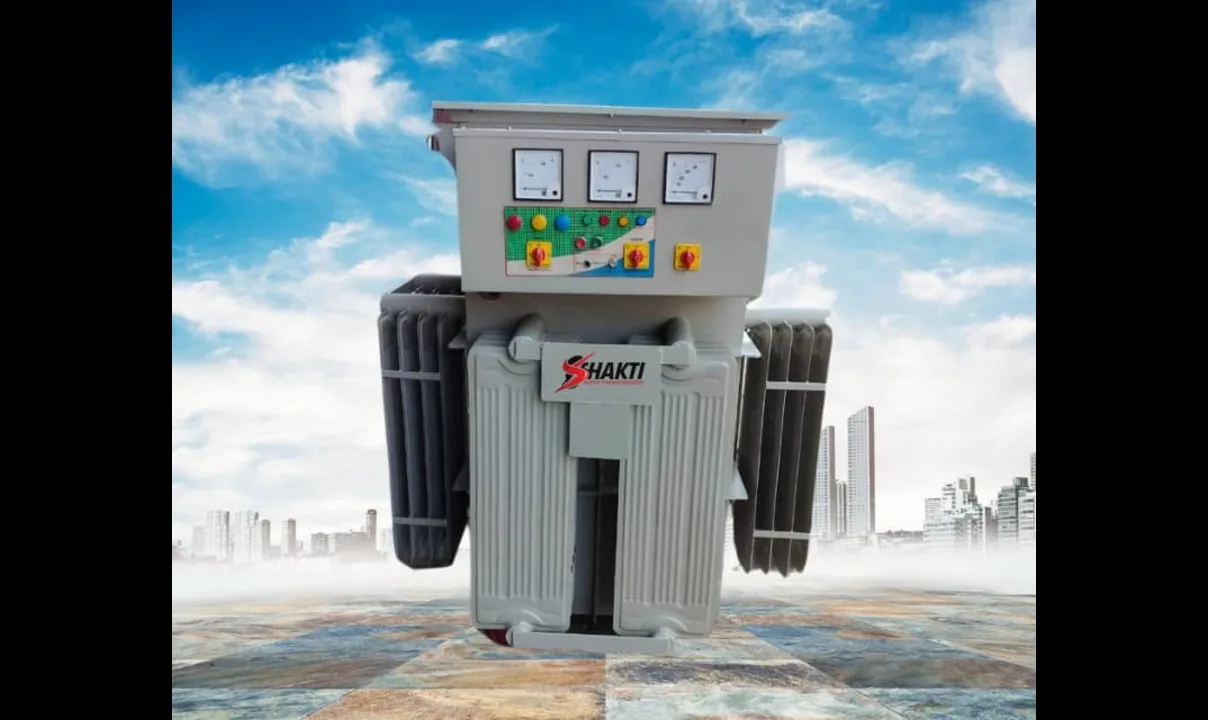
For a small business, a power problem is never just an electrical issue. A billing system that freezes at peak hour means a queue of unhappy customers. A diagnostic machine that gives unstable readings means repeat tests and lost trust. A freezer that fails overnight means spoiled stock. Voltage fluctuation is behind many of these incidents, and it is also one of the easiest to prevent.
This guide explains how a 5 Kva Servo Stabilizer helps small businesses protect their equipment, what to consider when choosing one, and how to avoid common mistakes.
The Real Cost of Unstable Voltage to a Business
Home users lose comfort when voltage misbehaves. Businesses lose money. The costs usually fall into four groups:
- Equipment damage: compressors, computers, printers, instruments and lighting wear out faster or fail suddenly.
- Downtime: every restart or repair means hours when you cannot serve customers.
- Data loss: unexpected shutdowns can corrupt files and interrupt transactions.
- Stock and product loss: refrigeration failures spoil goods and medicines.
A stabilizer is a one-time purchase that reduces all four risks at once.
Which Businesses Benefit Most?
Retail Shops and ShowroomsBilling computers, barcode scanners, card machines, display lighting, refrigerators and air conditioners all run from the same supply. A voltage dip can freeze the billing counter, while a spike can damage electronics. Steady voltage keeps the counter running through the day.
Clinics, Dental Practices and Diagnostic LabsMany small clinics run compact diagnostic and treatment equipment that depends on stable voltage for consistent performance. Always check the equipment manufacturer’s recommendations, but in general, steady voltage protects both the instruments and the reliability of results.
Offices and Co-working SpacesDesktop computers, networking gear, printers and cooling run for long hours. A steady supply reduces unexpected restarts and extends the life of equipment that is expensive to replace.
Studios, Salons and Small WorkshopsPrinters, workstations, lighting rigs, grooming equipment and small machines all benefit from clean power. For creative work, a sudden shutdown during a long job costs both time and materials.
Restaurants, Cafés and Food CountersRefrigeration, display chillers, grinders and point-of-sale systems are all voltage sensitive. Protecting the cold chain matters especially for perishable stock.
Why Servo Technology Suits Business Use
Businesses usually run equipment for long hours and cannot afford repeated interruptions. Servo stabilizers are well suited to this because of how they work:
- A motor-driven brush moves along an autotransformer winding, correcting voltage continuously rather than in steps.
- A control card monitors output and corrects any deviation, keeping output close to the set value.
- The design handles motor loads such as compressors and pumps well.
- Built-in protections guard against overload, short circuit and unsafe voltage.
For sensitive or high-value equipment, this smooth, accurate correction is a clear advantage over simpler relay-type designs.
Is 5 kVA the Right Capacity for Your Business?
A 5 Kva Single Phase Stabilizer fits many small commercial setups, but you should confirm with a proper load calculation.
Business typeTypical equipmentSuitabilitySmall retail shopBilling PC, lights, freezer, one ACOften a good fitSmall clinicA few instruments, lights, one ACCheck instrument ratingsSmall officeSeveral PCs, printer, router, ACOften a good fitCafé or food counterChillers, grinder, POS, lightsDepends on motor loadsLarger premisesMultiple ACs and heavy motorsMay need larger capacityThese are general guides. Always use the actual nameplate ratings of your equipment.
How to Calculate Your Business Load
- List every device that will run on the stabilizer circuit.
- Note each device’s wattage from its nameplate. If only amps are listed, estimate watts as volts × amps.
- Separate motor loads (compressors, pumps, grinders) from steady loads (computers, lights).
- Allow for startup surge on motor loads.
- Add everything together and convert to kVA by dividing by the power factor.
- Add a 20 to 25 percent margin so the stabilizer never works at its limit.
If the total is close to or above 5 kVA, move up to a larger capacity or split the load across two stabilizers.
Understanding kVA vs kW
Business owners often search for a Servo Stabilizer 5 Kilowatt when stabilizers are actually rated in kVA. The two are related by power factor:
kW = kVA × power factor
At a power factor of about 0.8, a 5 kVA stabilizer supports around 4 kW of real load. When you size your unit, work in kVA so you can compare directly against the rating.
Features That Matter in a Business Setting
- Wide input voltage range: important if your area has frequent heavy dips.
- Accurate output: protects sensitive electronics and instruments.
- Quick correction: limits time spent outside safe voltage.
- Restart delay timer: protects refrigeration and cooling compressors after outages.
- High and low voltage cut-off: disconnects the load when supply becomes unsafe.
- Overload and short circuit protection: adds safety for the stabilizer and wiring.
- Air-cooled design: lower maintenance, suited to indoor installations at this capacity.
- Clear display: lets staff check voltage at a glance.
- Reliable service support: a fast response matters when business depends on it.
Planning Your Installation
Good installation protects both people and equipment.
- Use a qualified electrician and correctly rated cables.
- Ensure a solid earth connection.
- Choose a dry, ventilated spot away from sunlight, dust and moisture.
- Keep the display visible and the area around the vents clear.
- Consider a dedicated circuit for critical equipment like refrigeration or diagnostic devices.
- Label the stabilizer circuit so staff know what it protects.
Keeping Maintenance Simple
Businesses rarely have time for complicated upkeep, so build a simple routine:
- Daily or weekly: glance at the display and listen for unusual noise.
- Monthly: wipe dust from the exterior and keep vents clear.
- Every six months: check that terminals and connections are tight.
- Once a year: arrange a technician visit to inspect the brush and track, test protections and verify output accuracy.
A small yearly service is far cheaper than an unplanned breakdown on a busy day.
Thinking About Price and Value
When you compare Servo Stabilizer 5 Kva Price figures, think of it as business insurance. Consider:
- The total value of the equipment being protected
- The cost of an hour of downtime for your business
- Warranty length and local service availability
- Build quality and protections included
The lowest price rarely gives the best value. For the current price of a specific model, request a quote from the manufacturer.
Mistakes Small Businesses Commonly Make
- Sizing only for running load and forgetting startup surge.
- Adding equipment later without recalculating.
- Choosing the cheapest unit with weak protections.
- Skipping the delay timer on refrigeration circuits.
- Ignoring maintenance until something fails.
- Placing the unit in a hot, dusty corner that shortens its life.
- Running everything on one stabilizer when critical equipment deserves its own.
Making the Right Choice
For a small shop, clinic or office with a moderate single phase load, a 5kva Stabilizer Single Phase with servo control offers a dependable balance of capacity, accuracy and protection. Confirm your load, check the input range against your local voltage and review warranty and service terms before you decide.
Frequently Asked Questions
Will a stabilizer protect my billing system during a power cut?
No. A stabilizer corrects voltage when power is present but cannot supply power during an outage. For that you would need a UPS or inverter.
Can I connect a UPS to a stabilizer?
Often yes, and many businesses do, but connect them according to the manufacturers’ guidance and your electrician’s advice.
Should medical or laboratory equipment run on a stabilizer?
Many users do, but always follow the equipment manufacturer’s recommendations.
What if my load grows next year?
Recalculate before adding equipment. If you approach the rating, consider a larger unit or a second stabilizer.
How long can the stabilizer run each day?
It is built for continuous use within its rated load and with adequate ventilation.
How do I know it is protecting my equipment?
Check the display: the output voltage should stay steady even when input voltage moves.
Conclusion
For a small business, steady power is part of delivering a steady service. A properly sized servo stabilizer keeps your counters, instruments and refrigeration running smoothly, reduces repair costs and helps you avoid costly downtime. List your equipment, calculate your load with a safety margin and choose a unit built for dependable, everyday use.