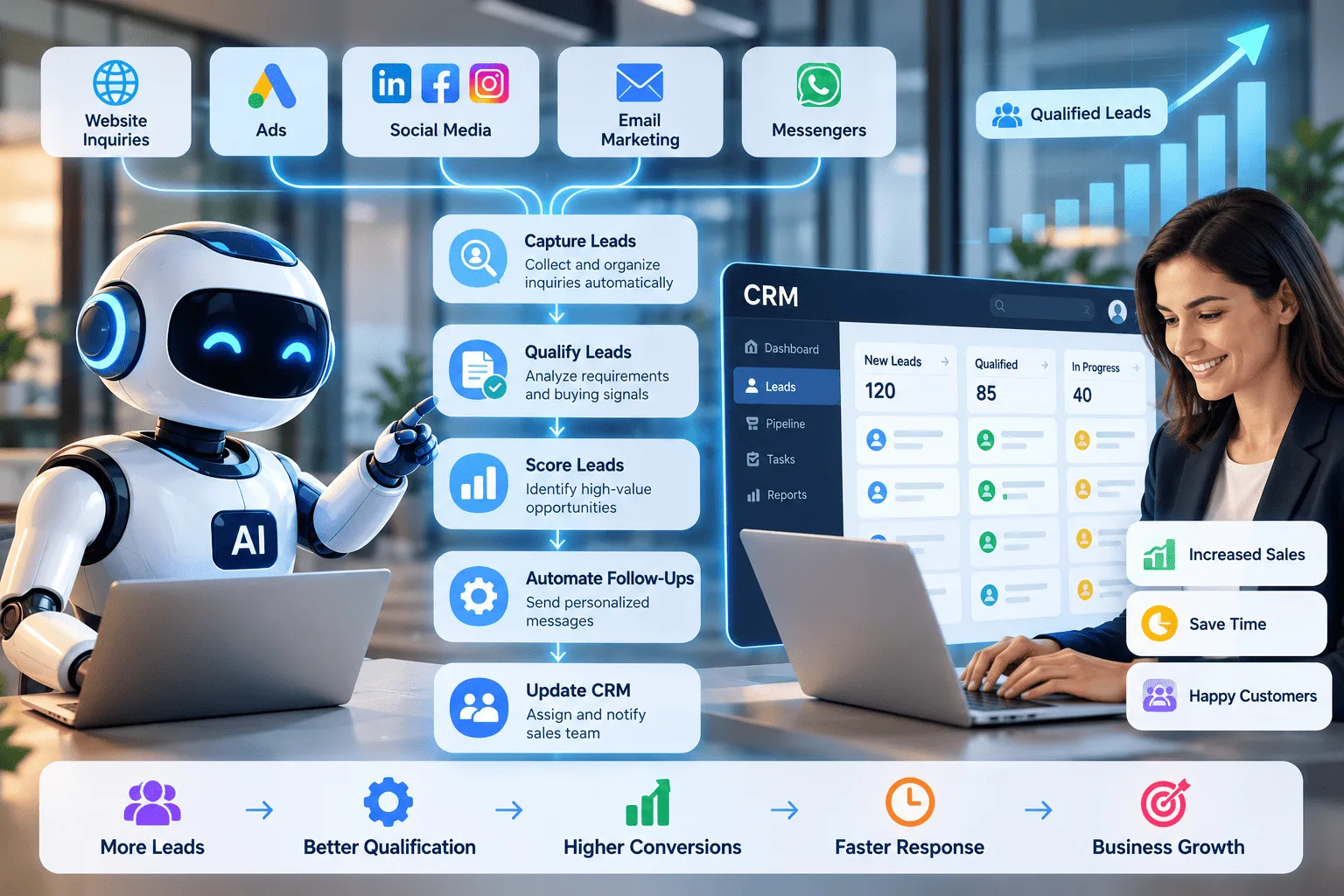
A scalable recruitment process allows organizations to grow confidently, adapt to shifting workforce needs, and maintain consistency across all hiring stages. As companies expand, recruitment must evolve in a way that supports efficiency, clarity, and long‑term workforce stability. Scalability is not only about handling higher volumes of applicants. It is about creating a structured, repeatable system that delivers strong candidates, supports positive experiences, and aligns with organizational goals. When these elements work together, recruitment becomes more predictable, more strategic, and more capable of supporting sustained business growth.
Clear Role Frameworks That Strengthen Alignment
A scalable recruitment process begins with clearly defined role frameworks that outline responsibilities, expectations, and required competencies. When hiring teams invest time in developing accurate job descriptions, they reduce confusion and attract candidates who genuinely match the position. Concepts like role clarity and skills alignment highlight how precise information strengthens hiring outcomes. Clear role frameworks also help internal teams evaluate applicants more consistently, improving decision‑making and reducing delays. When expectations are communicated effectively, recruitment becomes more streamlined and adaptable as hiring needs increase.
Strategic Sourcing That Expands Talent Reach
Strategic sourcing plays a major role in connecting organizations with qualified candidates who can support long‑term growth. This includes leveraging digital platforms, professional networks, and specialized recruitment channels that align with industry needs. Many companies rely on reputable talent acquisition services to strengthen sourcing efforts and reach candidates who may not be actively searching but are open to new opportunities. Concepts like talent sourcing and candidate outreach show how proactive sourcing improves recruitment efficiency. When sourcing is targeted and scalable, organizations reduce time‑to‑hire and improve overall candidate quality.
Consistent Communication That Enhances Candidate Engagement
Communication is one of the most defining factors in maintaining recruitment efficiency and supporting organizational reputation. When hiring teams communicate clearly and consistently, candidates remain informed, engaged, and confident throughout the process. This reduces uncertainty, prevents delays, and supports a more positive experience. Concepts like candidate communication and process transparency highlight how communication strengthens recruitment outcomes. When candidates understand timelines, expectations, and next steps, they are more likely to remain invested in the process, reducing drop‑off rates and improving hiring flow. Strong communication also reinforces the organization’s commitment to professionalism and respect.
Structured Evaluation Systems That Improve Decision‑Making
Structured evaluation systems help organizations make confident, consistent hiring decisions that support long‑term workforce stability. This includes standardized interviews, clear scoring systems, and defined evaluation criteria that align with organizational goals. Concepts like structured interviewing and evaluation consistency show how standardized methods reduce bias and improve accuracy. When evaluation processes are organized and predictable, hiring teams make faster decisions and select candidates who are better aligned with long‑term organizational needs. Structured evaluation also supports fairness, transparency, and stronger overall hiring outcomes.
Conclusion
A scalable recruitment process is built on clear role frameworks, strategic sourcing, consistent communication, and structured evaluation systems. When organizations refine these elements, they strengthen their ability to attract qualified candidates, maintain efficiency as hiring demands grow, and build a workforce that supports long‑term organizational success.