Workplace conflict is inevitable. Even high-performing teams experience disagreements, misunderstandings, and communication challenges from time to time. DISC for leaders provides a practical way to understand the behavioral differences that often cause these conflicts. Instead of reacting to personality clashes, leaders can use DISC insights to improve communication, strengthen collaboration, and resolve workplace issues more effectively.
What Is DISC?
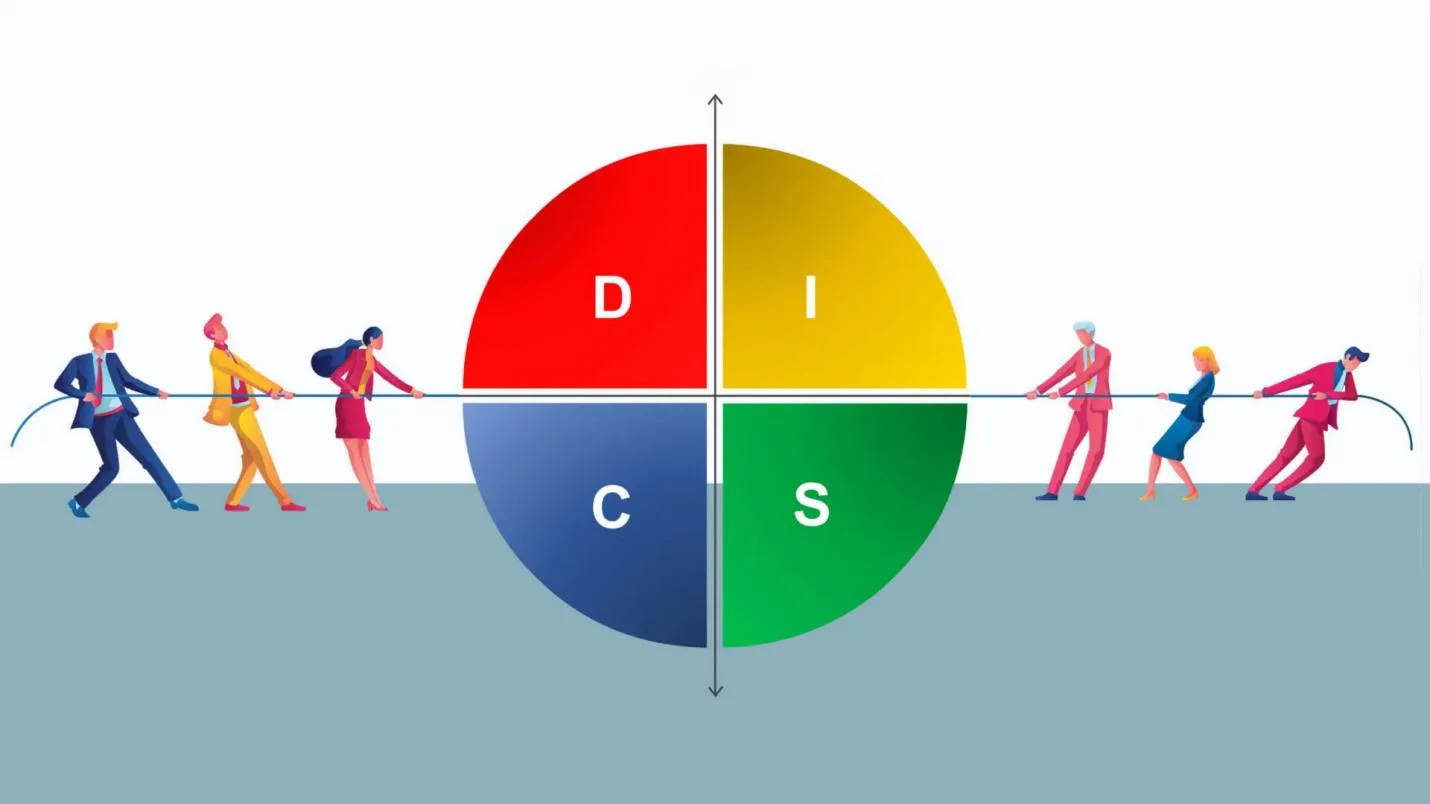
DISC is a behavioral assessment that identifies four primary workplace styles:
● Dominance (D): Direct, decisive, and results-oriented.
● Influence (I): Outgoing, enthusiastic, and persuasive.
● Steadiness (S): Patient, supportive, and dependable.
● Conscientiousness (C): Analytical, organized, and detail-focused.
Most people are a combination of these styles, and understanding them can improve communication, collaboration, and conflict resolution.
1. Miscommunication Between Team Members
One employee prefers short, direct conversations. Another wants detailed explanations and context.
Without understanding these differences, both may feel frustrated:
●“Why are they being so abrupt?”
●“Why do they overexplain everything?”
DISC helps team members recognize that different communication styles are normal. By adapting how they share information, employees can reduce misunderstandings and improve collaboration.
2. Conflicts Over Decision-Making
Some employees want to make decisions quickly, while others prefer gathering data and analyzing options first.
This often creates tension between fast-moving and detail-oriented team members.
DISC helps teams understand that both approaches have value:
● Quick decision-makers can appreciate the importance of accuracy.
● Analytical team members can recognize when speed is necessary.
This balance leads to better decisions and fewer disagreements.
3. Friction Between Managers and Employees
Managers often communicate expectations based on their own behavioral style.
For example, a highly direct manager may unintentionally overwhelm an employee who prefers a more supportive and collaborative approach.
DISC helps managers adjust their communication style, provide clearer feedback, and build stronger working relationships with employees.
4. Disagreements About Work Pace
One employee wants to move quickly and take action immediately. Another prefers a steady, methodical pace.
Without DISC awareness, each person may view the other negatively:
●“They’re rushing and making mistakes.”
●“They’re moving too slowly.”
DISC helps teams understand that different work paces reflect different behavioral preferences, not a lack of competence or commitment.
5. Tension During Change Initiatives
Organizational changes often affect employees differently.
Some people embrace new ideas quickly, while others need time, information, and reassurance before they feel comfortable.
DISC helps leaders communicate change in ways that address the needs of different personality styles, reducing resistance and anxiety during transitions.
6. Conflict Over Attention to Detail
Detail-oriented employees may become frustrated when others overlook procedures, documentation, or quality standards.
At the same time, results-focused employees may feel that excessive attention to detail slows progress.
DISC helps both sides recognize the value of their contributions:
● Accuracy protects quality.
● Efficiency keeps projects moving forward.
When teams appreciate both perspectives, collaboration improves.
7. Personality Clashes in Team Meetings
Team meetings often reveal behavioral differences:
● Some people speak frequently and think out loud.
● Others prefer to listen, reflect, and contribute carefully considered ideas.
● Some challenge ideas directly.
● Others avoid confrontation.
DISC helps teams understand these patterns and create meeting environments where all communication styles are respected.
8. Conflicts About Feedback
Employees receive feedback differently.
A direct communication style may feel motivating to one person but discouraging to another.
DISC helps managers tailor feedback by considering the employee’s behavioral preferences. This makes coaching conversations more productive and reduces defensiveness.
9. Competition vs. Collaboration
Some employees are naturally competitive and motivated by results. Others prioritize teamwork, harmony, and group success.
These differences can create conflict when team members interpret each other’s behavior negatively.
DISC helps employees understand that both achievement-focused and relationship-focused approaches contribute to organizational success.
10. Remote and Hybrid Work Misunderstandings
Remote work can amplify communication challenges because employees have fewer opportunities to read body language and build relationships informally.
DISC helps remote teams by clarifying:
● Preferred communication methods
● Response expectations
● Collaboration styles
● Decision-making preferences
● Support needs
This reduces misunderstandings and improves virtual collaboration.
11. Conflict Between Departments
Different departments often develop different working styles.
For example:
● Sales teams may prioritize speed and customer responsiveness.
● Operations teams may focus on process consistency and accuracy.
● Finance teams may emphasize analysis and risk management.
DISC helps employees appreciate why other departments operate differently and encourages more productive cross-functional collaboration.
12. Unresolved Interpersonal Tension
Sometimes conflict is subtle. Employees may avoid each other, become less cooperative, or communicate minimally after repeated misunderstandings.
DISC provides a neutral framework for discussing behavioral differences without making the conversation personal. Instead of saying, “You’re difficult to work with,” employees can discuss communication preferences, decision-making styles, and work habits more constructively.
This often helps teams rebuild trust and improve relationships before conflicts become more serious.
How DISC Helps Resolve Conflict
DISC does not eliminate conflict entirely. Instead, it helps people understand why conflict occurs and how to respond more effectively.
Organizations often use DISC to:
● Improve communication between employees
● Help managers adapt their leadership style
● Strengthen team collaboration
● Facilitate conflict-resolution conversations
● Support coaching and feedback discussions
● Build empathy and self-awareness
● Create more balanced and effective teams
When employees understand behavioral differences, they are more likely to interpret actions accurately and respond with empathy rather than frustration.
Best Practices for Using DISC in Conflict Resolution
To get the most value from DISC:
● Use DISC as a conversation tool, not a label.
● Encourage employees to learn about all DISC styles.
● Train managers to interpret reports correctly.
● Focus on communication and behavior rather than personality judgments.
● Combine DISC with coaching, mediation, and leadership development.
● Revisit DISC insights during team changes and organizational transitions.
The goal is not to categorize employees but to improve understanding and collaboration.
Conclusion
Many workplace conflicts stem from differences in communication styles, work preferences, and behavioral tendencies rather than from poor intentions. DISC assessments provide a practical framework for understanding these differences and addressing conflict more constructively.
By helping employees recognize how different personality styles approach communication, decision-making, teamwork, and change, DISC can reduce misunderstandings, strengthen relationships, and improve collaboration across teams and departments.
Organizations that use DISC as part of their leadership, coaching, and team development efforts often find that employees communicate more effectively, resolve disagreements more quickly, and work together with greater empathy and trust.
Frequently Asked Questions
Can DISC prevent workplace conflict?
DISC cannot eliminate conflict completely, but it can help employees understand behavioral differences and resolve disagreements more effectively.
Is DISC useful for managers?
Yes. Managers often use DISC to improve communication, coaching, conflict resolution, and team leadership.
Can DISC help remote teams?
Yes. DISC can improve communication and collaboration in remote and hybrid work environments by clarifying behavioral preferences and expectations.
Should DISC be used as the only conflict-resolution tool?
No. DISC works best when combined with coaching, mediation, leadership training, and clear organizational policies.
How quickly can teams benefit from DISC?
Many teams notice improvements in communication and understanding soon after learning about DISC styles and discussing how they work together.