Most continuity plans assume fuel will be available. Natural disasters are the specific event that breaks that assumption. A hurricane, ice storm, or regional grid failure does two things at once: it collapses the supply chain that moves fuel, and it spikes demand from every generator, fleet, and household in the affected area. Retail stations run dry within hours, and those with fuel in the ground often cannot pump it because their dispensers require electricity.
An emergency fuel supply agreement exists to close that gap. Here are twelve concrete reasons preparedness-minded operators put one in place long before the forecast turns.
1. Fuel arrives when retail stations physically cannot pump
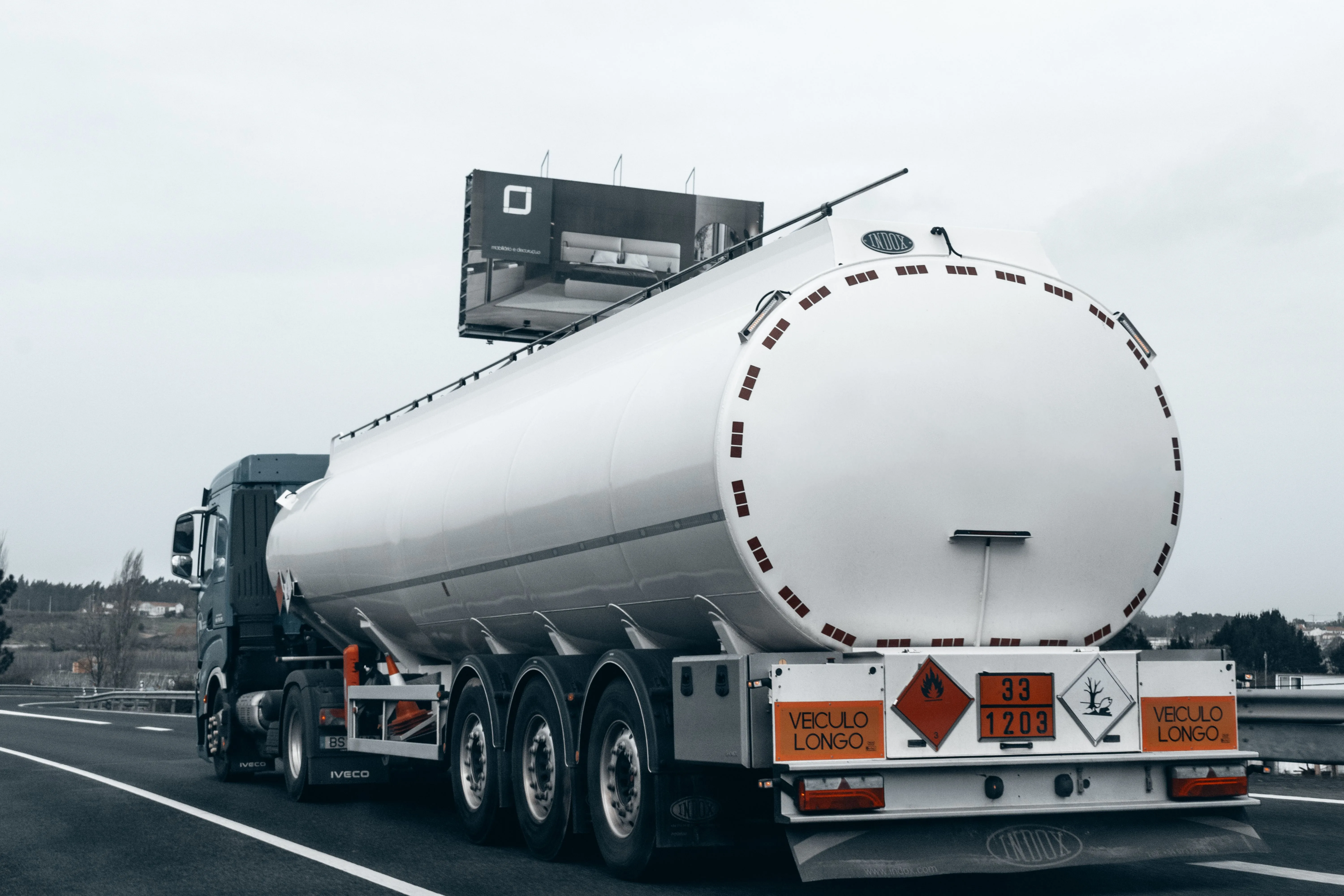
Underground tanks at a gas station are useless without power to run the dispensers. After a major storm, stations across an entire county can be full of fuel and unable to sell a single gallon. A dedicated supplier delivers directly from a tanker with its own pumping capability, removing grid dependency entirely.
2. Your generator runs longer than its onboard tank allows
This is the single most common failure point in disaster response. Most backup generators carry somewhere between 24 and 72 hours of onboard fuel. Extended outages routinely run longer. Without resupply, your generator does not fail; it simply runs out, and everything downstream of it stops.
3. Contract customers receive priority allocation
When supply tightens across a region, providers serve their contracted accounts first. That is not favoritism; it is logistics. Volume is committed in advance. Walking up during the event and asking for fuel puts you behind every business that planned ahead.
4. Reserves get pre-positioned before the event arrives
Serious emergency fuel providers do not wait for the call. They stage fuel and trucks near the projected impact zone while the storm is still offshore. That pre-positioning is what turns a two-day wait into a same-day delivery.
5. Storm-rated equipment reaches sites ordinary carriers skip
Flooded roads, downed lines, and debris stop most delivery vehicles. Providers who specialize in disaster response run purpose-built fleets and maintain credentialed drivers who can operate under emergency access restrictions. Atlas Fuel Services, for example, runs a Storm Proof truck fleet and a 24/7/365 dispatch operation built specifically for these conditions.
6. Your fleet stays available for response and recovery work
For utilities, contractors, and logistics operators, a disaster is not just a threat; it is the work. Crews cannot restore power, clear roads, or move supplies if their own trucks are parked. Keeping the fleet fueled is what lets you participate in recovery instead of waiting for it.
7. Temperature-sensitive inventory survives the outage
Cold storage, food distribution, pharmacies, and laboratories can lose an entire inventory in a matter of hours. The value of the product sitting in those coolers usually dwarfs the cost of a year of emergency fuel coverage by an enormous margin.
8. Life-safety systems stay online
Hospitals, dialysis centers, water treatment plants, and elder care facilities are not businesses that can pause. For healthcare facilities in particular, generator fuel is a patient safety issue, not a budget line. Continuous supply is the difference between operating and evacuating.
9. Your team stops hunting for fuel during the crisis
Sending staff out to search for open stations during a disaster wastes the exact hours you need most and puts people on dangerous roads. A standing agreement converts a frantic, uncertain scramble into a phone call.
10. Fuel quality gets verified before it matters
Generator tanks that sit idle for months accumulate water, microbial growth, and degraded diesel. The outage is a terrible time to discover. A serious provider handles fuel testing, polishing, additives, and tank maintenance as part of the relationship, so the fuel actually burns when you finally need it. The same applies to routine generator fuel delivery between events.
11. Delivery records support insurance and reimbursement claims
Digital delivery tickets, timestamps, and gallon-level documentation become evidence. Insurers, FEMA reimbursement processes, and internal auditors all want proof of what was delivered, when, and where. Improvised fueling produces no such record.
12. Recovery time shortens and reputation holds
The businesses that reopen first after a disaster capture the customers, the contracts, and the goodwill. Fuel is one of the few variables in that outcome you can fully control ahead of time.
What to lock down before the season starts
Preparedness is unglamorous, and it is entirely front-loaded. Calculate your actual generator burn rate and multiply it by a realistic worst-case outage duration, not a comfortable one. Document tank locations, fill points, and site access for your provider now, while it is calm. Confirm response commitments in writing, and ask specifically what happens when regional demand spikes. Establish an account before hurricane season, not during it, because the reliable providers are fully committed by then.
If your continuity plan currently reads “call a fuel company,” it is not a plan; it is a hope. Atlas Fuel Services builds a documented emergency fuel supply program around your sites, your burn rates, and your risk profile, with nationwide coverage and 24/7/365 response. Set up your account while the weather is still boring.