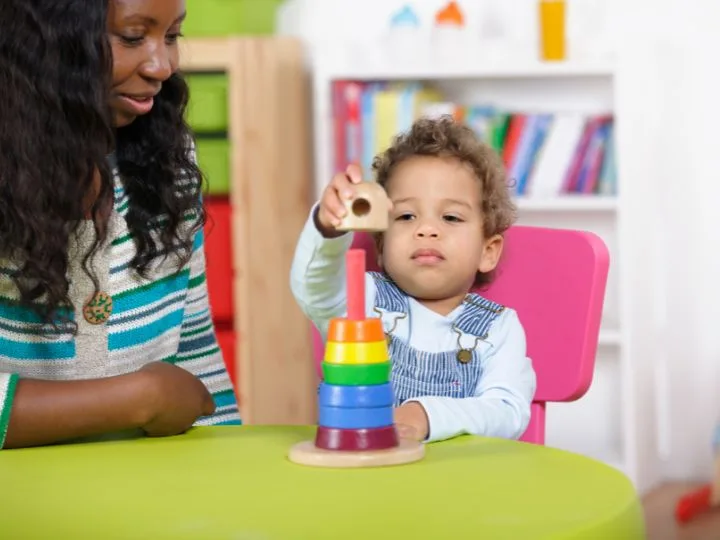
Every child develops at their own pace, but some children experience delays in multiple areas of growth, including communication, movement, learning, social skills, and daily living abilities. When these challenges affect several developmental areas, families often seek professional support to help their child reach important milestones. Early intervention can make a significant difference in a child's progress. One of the most effective approaches is finding the right treatment for global developmental delay, which focuses on improving skills across different areas of development. Through structured support and personalised programs, children can build confidence, independence, and essential life skills. Below are ten important ways global development therapy supports healthy child development.
1. Improves Communication Skills
Communication is one of the foundations of learning and social interaction. Many children with developmental delays struggle to express their needs, understand instructions, or participate in conversations.
Global development therapy helps children strengthen their communication abilities by focusing on language development, listening skills, and social interaction. As communication improves, children often become more confident when engaging with family members, peers, and educators.
2. Enhances Social Development
Building relationships is an essential part of childhood. Children who experience developmental delays may find it difficult to understand social cues, share with others, or participate in group activities.
Professionals use structured activities to encourage:
- Turn taking
- Cooperative play
- Emotional understanding
- Positive social interactions
These skills help children develop meaningful connections and feel more comfortable in social environments.
3. Supports Motor Skill Development
Motor skills are crucial for everyday activities. Some children may have difficulty with balance, coordination, handwriting, or physical movement.
Therapy programs often include exercises and activities that strengthen both fine and gross motor skills. Improved motor development can help children participate more confidently in school activities, sports, and daily routines.
4. Encourages Cognitive Growth
Cognitive development involves thinking, reasoning, memory, and problem-solving. Children with developmental delays may require additional support to strengthen these abilities.
Therapy sessions introduce age-appropriate activities that challenge children to think critically and solve problems independently. Over time, these experiences help build stronger learning foundations that support future academic success.
5. Builds Independence in Daily Activities
Developing independence is an important goal for every child. Tasks such as dressing, eating, toileting, and organising belongings can be challenging for children with developmental delays.
Global development therapy helps children practise everyday tasks in a supportive environment. As they master these skills, they become more independent and confident in managing daily responsibilities.
6. Strengthens Emotional Regulation
Children experiencing developmental challenges may become frustrated when they struggle to communicate or complete tasks. This frustration can sometimes affect behaviour and emotional wellbeing.
Therapy programs teach children strategies to:
- Recognise emotions
- Manage stress
- Express feelings appropriately
- Develop coping skills
Improved emotional regulation can lead to better relationships and a more positive experience at home and school.
7. Supports School Readiness
Starting school is a major milestone. Children need a range of developmental skills to participate successfully in classroom activities.
Global development therapy helps prepare children by strengthening:
Attention and Concentration
Children learn to focus on tasks for longer periods and follow instructions more effectively.
Learning Skills
Activities are designed to support memory, problem-solving, and early literacy development.
Social Participation
Children gain experience working with others and adapting to structured environments.
These skills can make the transition into school smoother and more successful.
8. Promotes Family Involvement
Therapy programs often involve parents and caregivers throughout the process. Professionals provide practical strategies that families can use at home to reinforce learning and developmental progress. This collaborative approach creates consistency across different environments and helps maximise outcomes for the child.
9. Provides Personalised Support
Every child has unique strengths and challenges. A one-size-fits-all approach rarely delivers the best results.
Global development therapy is tailored to meet each child's specific needs. Individual goals are developed based on assessments and ongoing progress monitoring. This personalised approach ensures that support remains relevant and effective as the child grows.
10. Encourages Long-Term Development
Development is an ongoing journey rather than a single achievement. Early support helps children establish strong foundations that continue to benefit them throughout childhood and beyond.
Consistent therapy can contribute to improvements in:
- Communication
- Learning abilities
- Social participation
- Daily living skills
- Emotional wellbeing
Families seeking reliable information about child development can also explore trusted resources such as the Australian Government's early childhood development guidelines and educational support services available across Australia.
Why Early Intervention Matters
The earlier developmental concerns are identified, the sooner children can access support that promotes growth and learning. Early intervention takes advantage of critical developmental periods when children are most receptive to learning new skills.
By addressing challenges early, families can help reduce barriers that may affect future learning, social participation, and independence. This proactive approach often leads to stronger outcomes across multiple areas of development.
Summary
Global development therapy plays a valuable role in helping children reach their full potential. Through targeted support, children can improve communication, social skills, emotional regulation, motor development, and independence. Families looking for effective treatment for global developmental delay can benefit from early intervention programs that address each child's individual needs and developmental goals. Choosing the right treatment for global developmental delay can provide children with the support they need to thrive at home, at school, and within their communities. A personalised global delay development treatment plan helps build essential skills, encourages confidence, and creates a strong foundation for lifelong learning and participation. Effective global delay development treatment strategies can make a meaningful difference in a child's developmental journey.