When a large fleet runs its own fueling, the cost leaks are rarely where managers look first. The obvious number is the price per gallon. The expensive number is everything that happens around the gallon: the fuel that goes missing, the tickets that never get reconciled, the trucks that roll out for a problem someone could have fixed from a desk, and the tax credits that quietly expire. Purpose-built mobile fleet fueling software closes those gaps. Here are ten places it pays for itself.
1. Stop fuel slippage at the nozzle
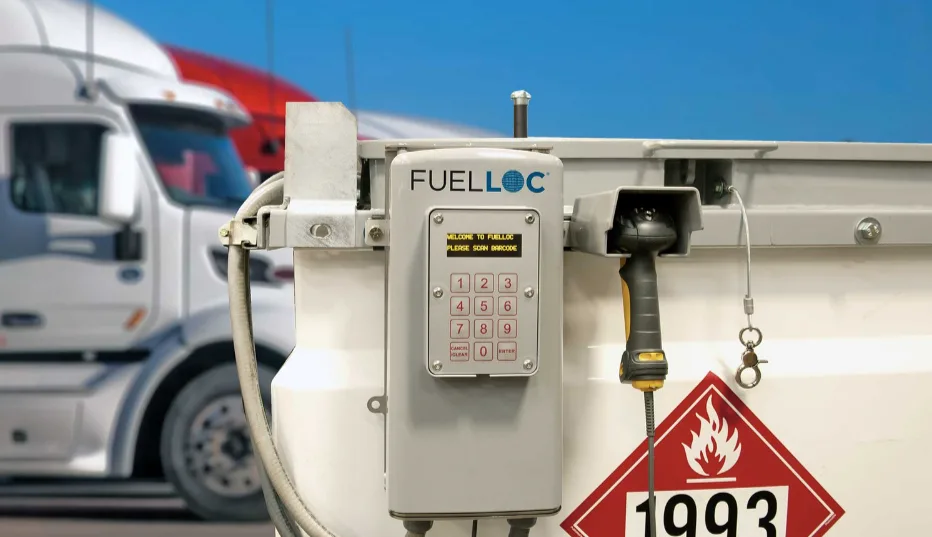
Unauthorized fueling is one of the highest and least visible costs in any fueling operation. FuelLoc requires driver login and authorization before a drop, and the system fuels only the assets it recognizes. Fuel that can only go into approved equipment stops disappearing.
2. Eliminate manual entry errors
Handwritten tickets and re-keyed gallons introduce errors that cost money in both directions. With barcode scanning and full integration to the meter, printer, and radio, every gallon is measured and logged at the source. Accurate records mean accurate billing and fewer disputes.
3. Shorten the gap between delivery and cash
Unbilled fuel is a loan you are making to your own operation. FuelLoc sends fueling data straight to the billing platform and lets you invoice in real time or on the cycle you choose. Faster invoicing means cash returns to the business sooner, and less working capital sits idle.
4. Recover fuel taxes without the accounting marathon
IFTA reporting is a recurring drain on back-office hours. The platform generates IFTA reports through simple time, site, and fuel-type filters, which reduce accounting labor and the risk of leaving recoverable credits unclaimed.
5. Cut dead mileage and overtime
The Operations Portal includes dynamic routing and dispatch management. Better routing means fewer wasted miles, less burned fuel, and fewer overtime hours spent getting trucks where they need to be.
6. Reduce back-office labor
Bulk asset loading and an automated ticket-to-invoice flow remove the re-keying that eats administrative time. Staff stop chasing paper and start managing exceptions.
7. Avoid unnecessary truck rolls
Sending a technician to a site is expensive. FuelLoc lets you request calibration and configuration changes remotely, and its triage module resolves many issues without a dispatch. Each problem solved from a desk is a service call you did not pay for.
8. Catch margin leaks early
The KPI dashboard and near-real-time data (including a system heartbeat and live fueling activity) surface problems while they are still small. A cost you see on day one is far cheaper than the same cost discovered at month-end.
9. Find the assets quietly burning your budget
The Fuel Intelligence Customer Portal tracks consumption trends with visual graphs. Spotting the vehicle or asset consuming more than it should, before it becomes a five-figure line item, is one of the clearest returns the software offers.
10. Consolidate your tools onto one platform
FuelLoc is modular, cloud-based, and integrates with electronic providers and credit cards. Running fueling on one platform reduces the number of point tools, the integration fees between them, and the overhead of keeping several systems in sync.
The real takeaway
The savings from mobile fleet fueling software are not one big number. There are ten smaller numbers that compound: less lost fuel, cleaner data, faster cash, recovered taxes, and fewer trucks rolling for avoidable reasons. Add them up across a large fleet, and the platform stops being a cost and becomes one of the cheapest line items you run.
See how Fuelloc’s fleet fueling management system brings these savings together in one place.